Decorative Stainless Steel Products

In the realm of modern architecture and high-end interior design, stainless steel has transcended its industrial roots. No longer confined to the hidden skeletons of skyscrapers or the sterile environments of commercial kitchens, it has emerged as a premier decorative medium. From the shimmering “water ripple” ceilings of luxury hotels to the sleek champagne-gold trims of high-end boutiques, stainless steel is the definitive choice for durability and avant-garde aesthetics.

If you are a designer, contractor, or project manager, understanding the classification of decorative stainless steel is vital. This guide breaks down the material into five essential dimensions to help you make informed decisions for your next custom project.


1. Dimension One: Surface Processing – The Art of Texture

The finish of stainless steel is its most defining characteristic. In decorative engineering, the surface process determines how light interacts with the space.

Mirror Finish

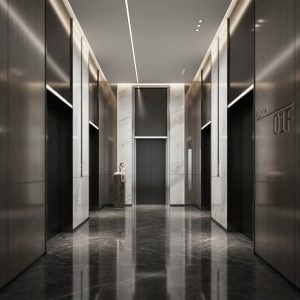
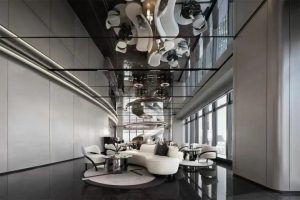
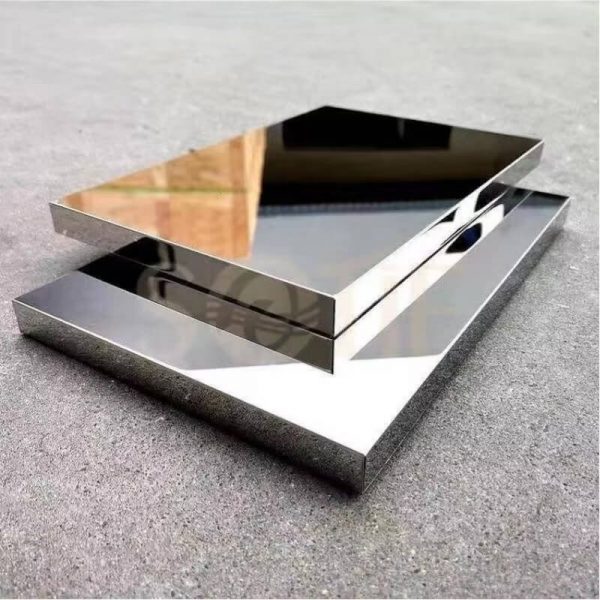
Mirror-polished stainless steel, often referred to as 8K, 10K, or 12K, offers a high-reflectivity surface. It is frequently used in small lobbies or elevator cabins to create an illusion of expanded space.

Brushed and Hairline Finishes

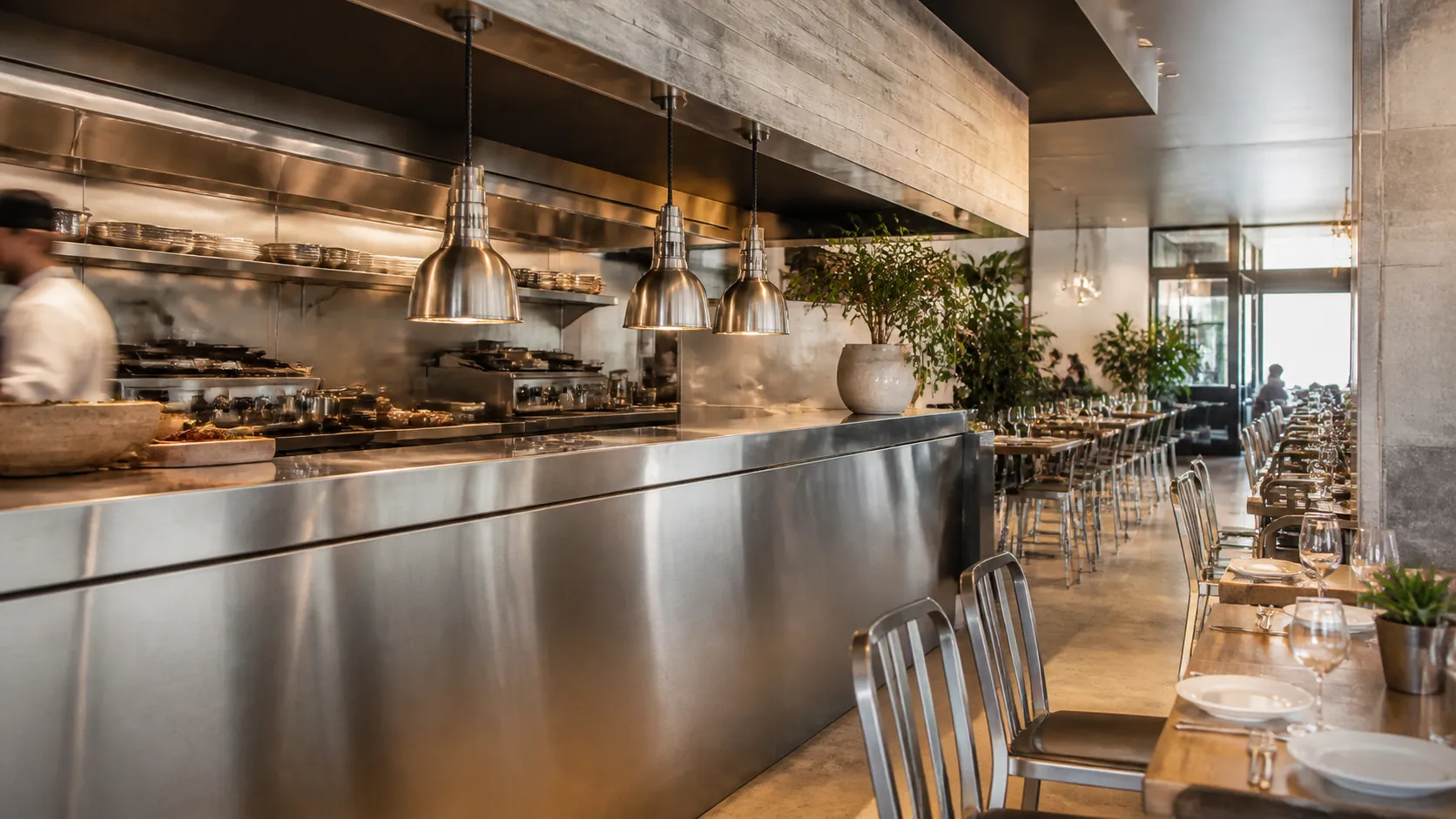
The Hairline (HL) finish features long, continuous fine lines, while the Brushed finish has a slightly shorter, coarser texture. These finishes are favorites for commercial doors and kitchen backsplashes because they excel at hiding fingerprints and minor scratches.

Vibration and Sandblasted

  • Vibration (Non-directional): Also known as “distressed” or “swirl” finish, it offers a matte, sophisticated look that feels organic.
  • Sandblasted: This uses high-speed beads to create a fine, pearlescent matte texture. It is the go-to choice for understated luxury.

Embossed and Etched

Modern CNC and chemical etching technology allow for intricate designs.

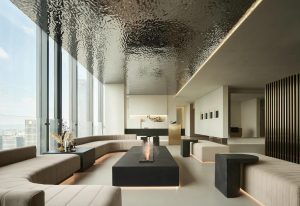
  • Water Ripple: Currently the most trending decorative sheet globally, mimicking the surface of a pond.
  • Etched Patterns: Chemical erosion creates patterns (geometric, floral, or custom logos) that are permanent and tactile.

2. Dimension Two: The Color Palette – PVD and Beyond

Through PVD (Physical Vapor Deposition) coating, we can infuse the surface with vibrant, metallic hues without losing the natural luster of the metal.

The Prestige Tones

  • Titanium Gold: Bold, regal, and timeless.
  • Rose Gold: A warmer, more contemporary alternative that fits residential and jewelry retail settings.
  • Champagne Gold: A subtle, pale gold that screams “quiet luxury.”

The Modern Monochrome

  • Black Titanium: Deep, reflective, and incredibly sleek. It is a staple in “Industrial Chic” and “Minimalist” designs.
  • Space Grey/Charcoal: A middle ground that provides a technical, high-performance look.

Antique and Specialized Finishes

For projects requiring a vintage or “Old World” feel, Antique Bronze or Copper coatings are applied. These provide the look of heavy, aged copper with the structural integrity and cost-effectiveness of stainless steel.


3. Dimension Three: Product Form – From Sheets to Profiles

When ordering custom materials, you must categorize by the physical form required for the installation.

Decorative Sheets

The “Canvas” of the project. Typically available in standard sizes like 1219 x 2438 mm. They are used for wall cladding, elevator interiors, and ceiling panels.

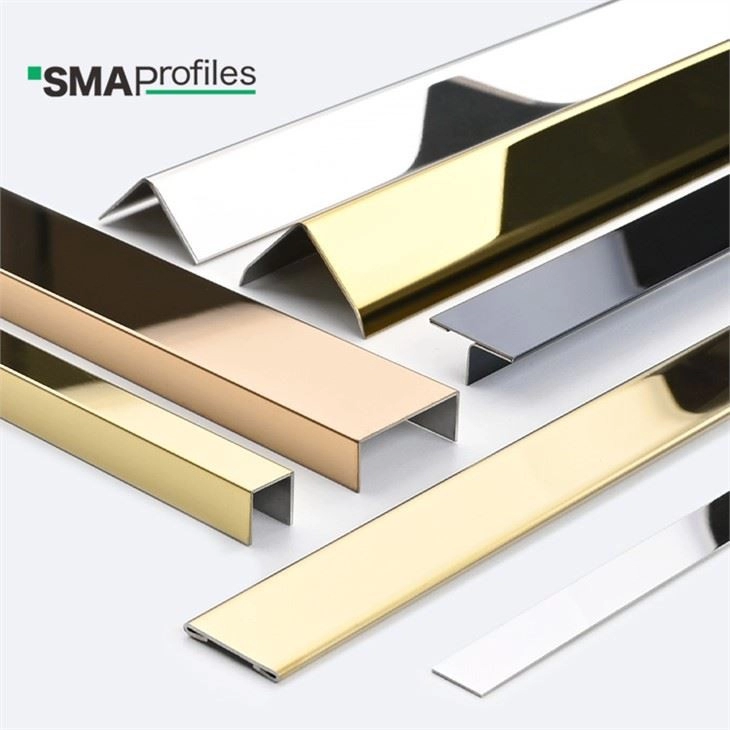
Decorative Profiles and Trims

  • U-Channels and T-Bars: Used as transitions between stone tiles or wooden panels.
  • L-Angles: For corner protection and edge definition.
  • Skirting Lines: Stainless steel baseboards provide a moisture-proof, modern alternative to wood.

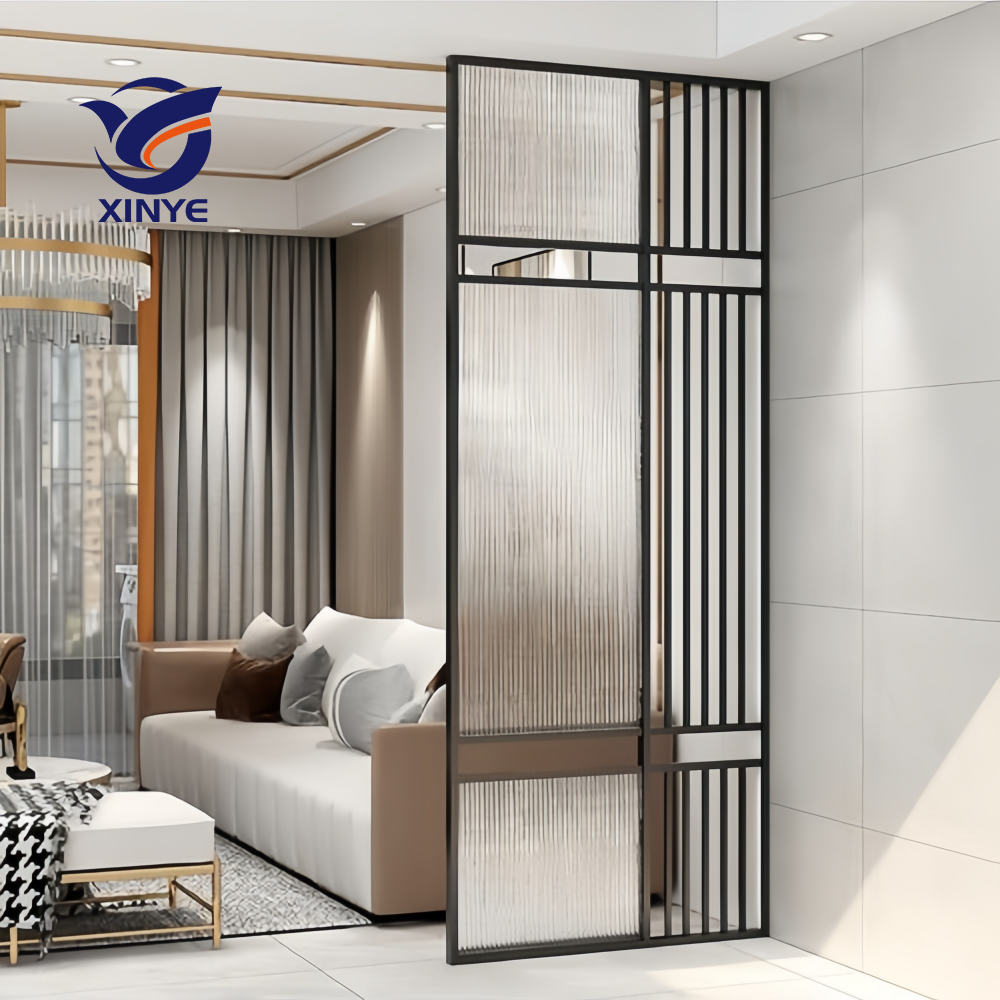
Custom Screens and Partitions

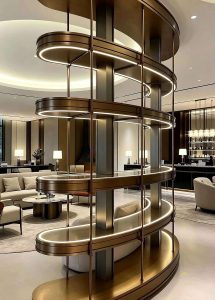
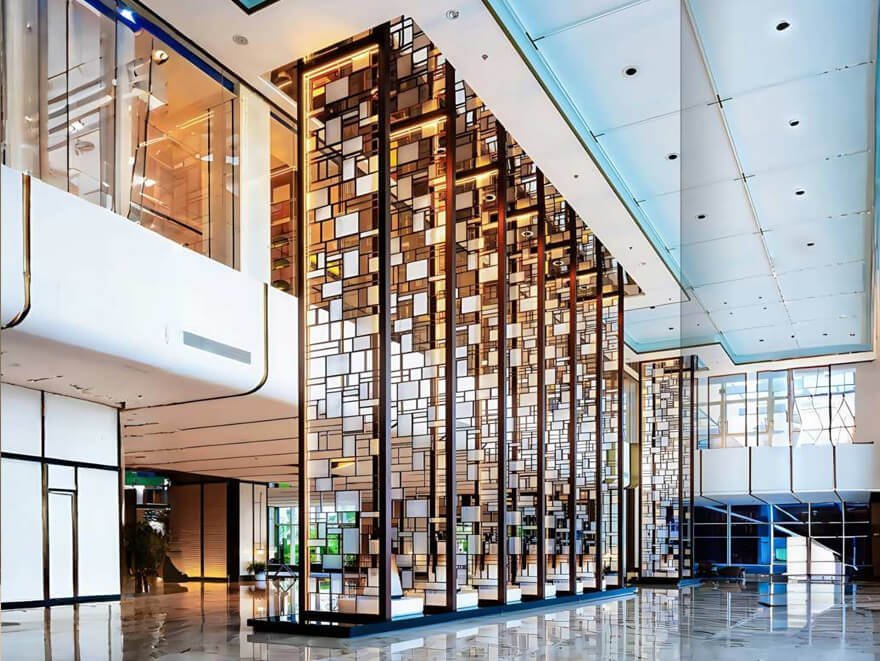
Laser-cutting and PVD welding allow for the creation of intricate room dividers, often used in hotel lobbies to define spaces while maintaining an open feel.


4. Dimension Four: Material Grades – The Science of Longevity

Choosing the right grade ensures the material resists oxidation and maintains its appearance over time.

Grade Corrosion Resistance Common Use Cases
Grade 201 Low Indoor, dry environments. Budget-friendly for interior trims.
Grade 304 High The “Gold Standard.” Used for most interior and general exterior decor.
Grade 316 Superior Coastal projects, swimming pool areas, and high-pollution urban zones.
Grade 430 Moderate Often used for appliance panels or indoor magnetic-receptive surfaces.

5. Dimension Five: Application Scenarios – Solving Design Challenges

Categorizing products by application helps identify the best solutions for specific environmental demands.

Commercial & Hospitality

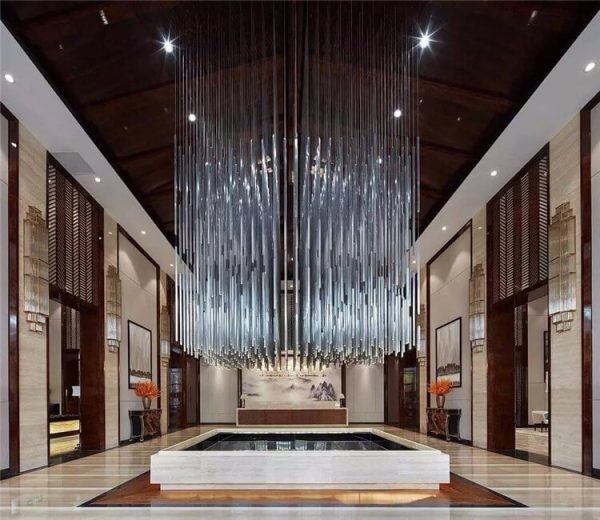
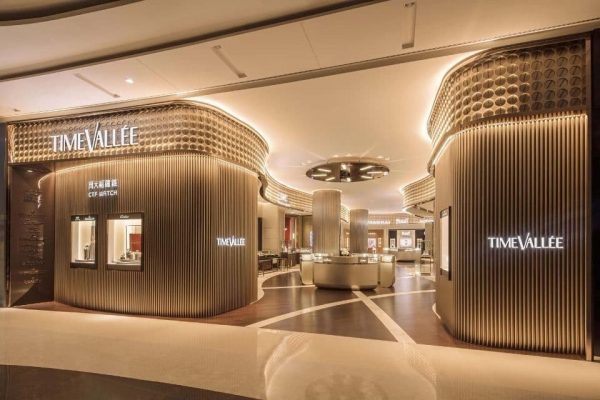
In hotels and shopping malls, the focus is on grandeur. Large-scale wall cladding, mirrored ceilings, and ornate lobby screens are the primary products here.

Residential Luxury

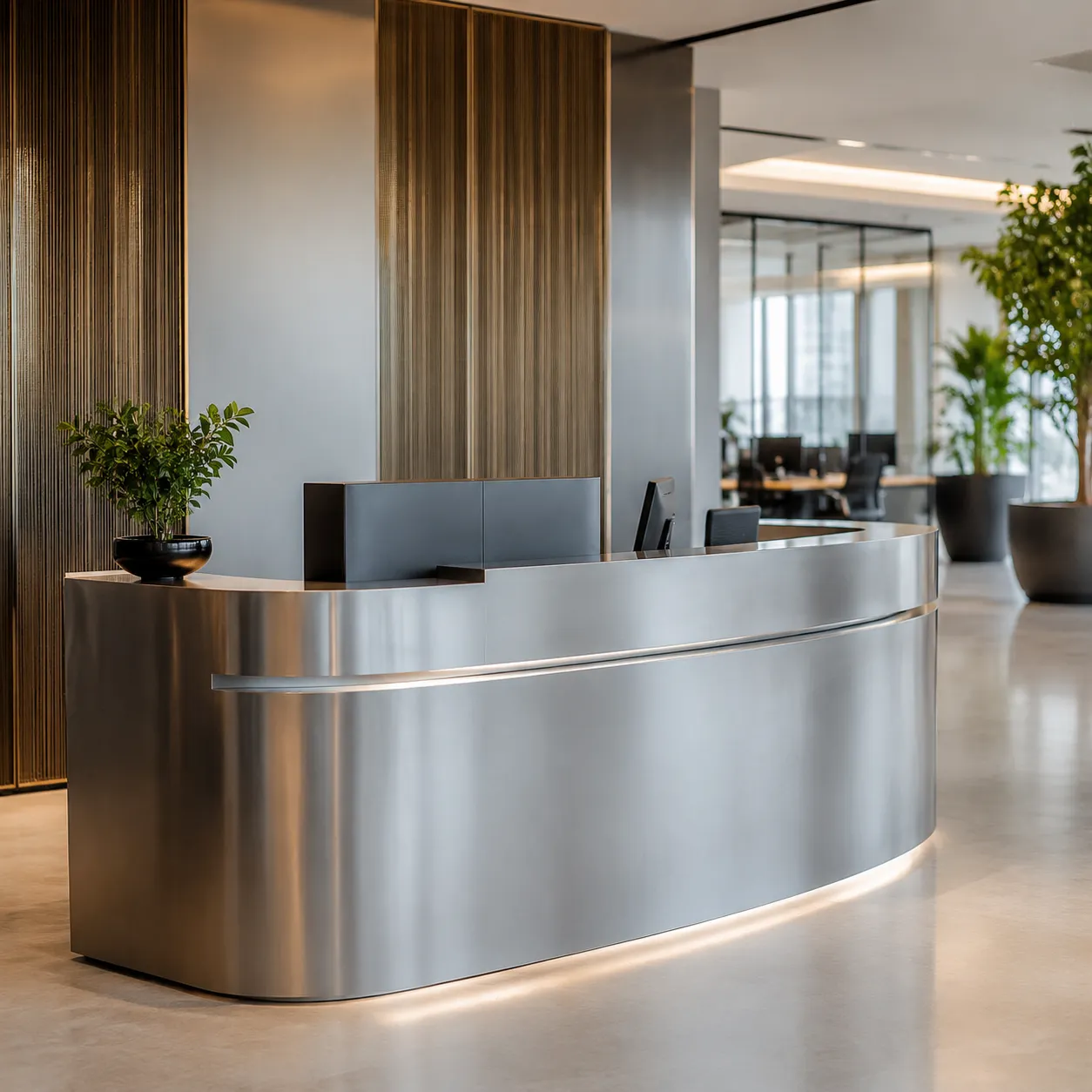
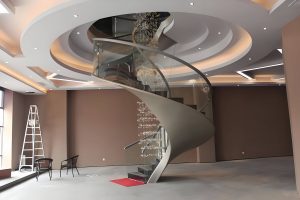
Modern homes use stainless steel for kitchen islands, fireplace surrounds, and minimalist staircase handrails. The focus here is on “Touch and Feel” and fingerprint-resistant coatings.

Public Infrastructure

Airports and subway stations require maximum durability. Anti-slip textured sheets and heavy-duty Grade 304/316 handrails are the priority for high-traffic wear and tear.


Why Customization is the Future of Stainless Steel

The “cookie-cutter” approach to construction is evolving. Today’s architects require precision cutting using Fiber Laser technology, batch-controlled PVD coating for color consistency, and the ability to integrate metal with other materials like LED lighting or wood.

Conclusion

Navigating the world of decorative stainless steel can be complex, but by categorizing materials through Surface, Color, Form, Grade, and Application, you can streamline your procurement process and ensure a stunning result. Stainless steel remains the most versatile material in the modern designer’s toolkit.

2026-02-11

Please fill in your requirements to get free quote/sample/soultion from our experts! We usually reply in 1 Working hours.