
Core Components and Structure of Stainless Steel Honeycomb Panels
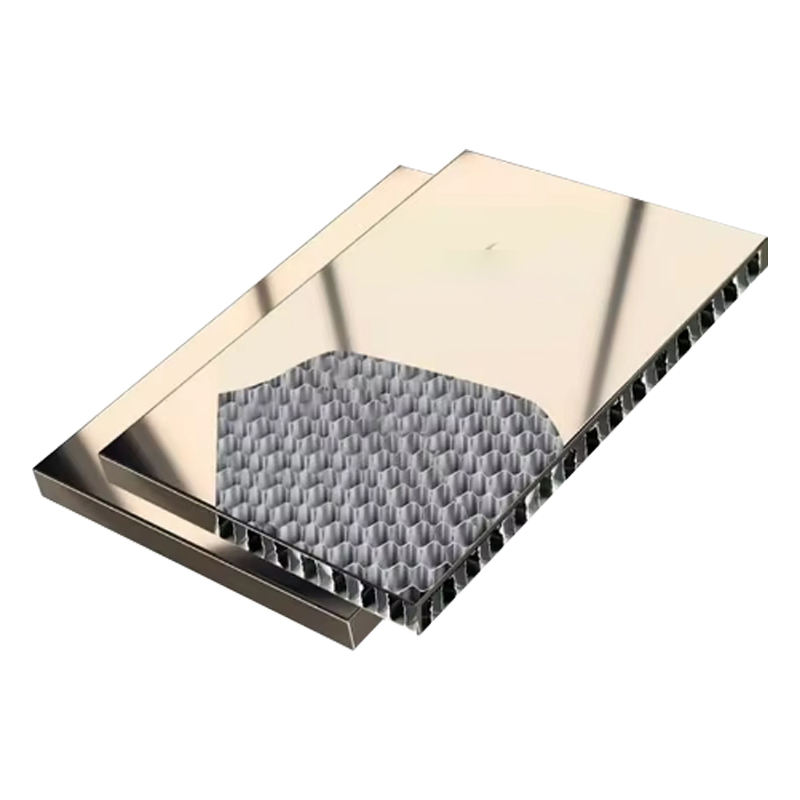
At its heart, metal sandwich panel construction relies on a brilliantly simple, three-tier structure. We engineer these panels to mimic the natural geometry of a beehive, giving you incredible rigidity without the dead weight of solid steel plates.
Here is a quick look at how the sandwich is built:
| Component | Primary Function | Key Feature |
|---|---|---|
| Top Face Sheet | Impact and weather resistance | Customizable decorative finish |
| Honeycomb Core | Load distribution and weight reduction | Hexagonal cell geometry |
| Bottom Face Sheet | Structural balance and rigid backing | High-grade stainless steel |
The Outer Stainless Steel Face Sheets
The exterior skins do the heavy lifting when it comes to durability and aesthetic appeal. Through precise stainless steel sheet fabrication, we create outer layers that serve as an impenetrable shield.
- Metal Grades: We typically utilize standard 304 stainless steel for architectural metal cladding, and 316L grade for marine and highly corrosive environments.
- Surface Finishes: Whether your project demands a sleek mirror polish, a brushed texture, or an embossed finish to hide scratches, the outer skin acts as both the armor and the visual face of the panel.
Inside the Stainless Steel Honeycomb Core
The real magic happens in the middle. The stainless steel honeycomb core is a tightly packed matrix of precisely expanded hexagonal cells.
- Hexagonal Geometry: The cell shape naturally absorbs and distributes external impact forces evenly across the entire panel structure.
- Custom Cell Sizes: By adjusting the foil thickness and the size of the honeycomb nodes, we dictate the exact structural strength required for a project. This engineered core is the ultimate secret behind achieving an exceptional high strength-to-weight ratio.
The High-Strength Adhesive Bonding Process
A sandwich panel is only as reliable as its bond. To ensure these layers never pull apart or delaminate under stress, we rely on a rigorous high-strength adhesive bonding process.
- Extreme Heat and Pressure: The outer face sheets and the inner core are permanently fused using industrial-grade structural film adhesives. This is done under targeted high temperatures and heavy vacuum pressure.
- Permanent Hold: This specialized curing process guarantees that the metal skins and the honeycomb matrix become a single, unified structure. The result is a panel capable of resisting extreme shear forces, intense vibrations, and massive temperature swings without failing.
Common Applications and Industries
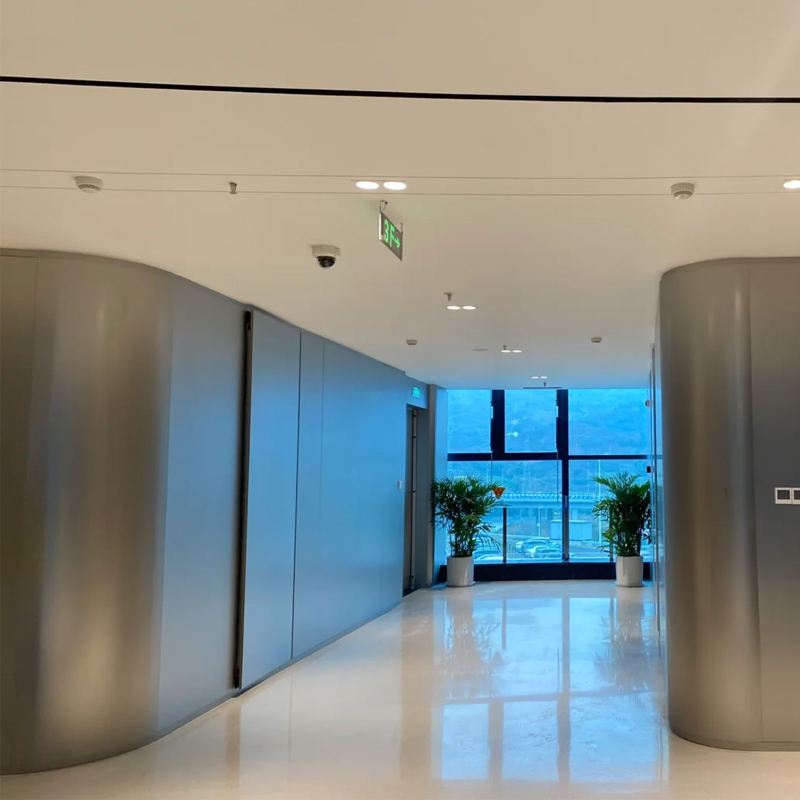
When people ask me, “exactly what is stainless steel honeycomb sandwich panels used for?”, I always point to industries that demand maximum durability with minimal weight. We manufacture these panels to solve tough engineering challenges, easily handling extreme conditions while keeping the overall structural load light.
Here is where we see these panels perform at their best:
- Architectural Cladding and Facades: We supply architectural metal cladding for modern building exteriors. These lightweight structural building panels deliver a perfectly flat, visually stunning facade that holds up against severe weather and wind loads.
- Aerospace, Marine, and Public Transit: Every ounce matters in transportation. We build these panels for aircraft interiors, train cars, and ship bulkheads. They are highly effective as marine grade honeycomb structures because they refuse to rust, even in harsh saltwater environments.
- Cleanrooms and Industrial Enclosures: Labs and manufacturing plants require absolute hygiene. Our panels are heavily used for cleanroom wall paneling because they offer a seamless, non-porous surface that is easy to sanitize and tough enough to withstand industrial wear.
- Elevator Cabs and Structural Ceilings: You will frequently find our sandwich panels lining high-traffic elevator cabs or suspended overhead. For luxury commercial developments, we regularly provide materials for custom stainless steel decorative ceilings for hotel lobby installations, coordinating closely with your decorative ceiling contractor to guarantee a flawless fit that won’t sag over time.
Manufacturing and Fabrication Process
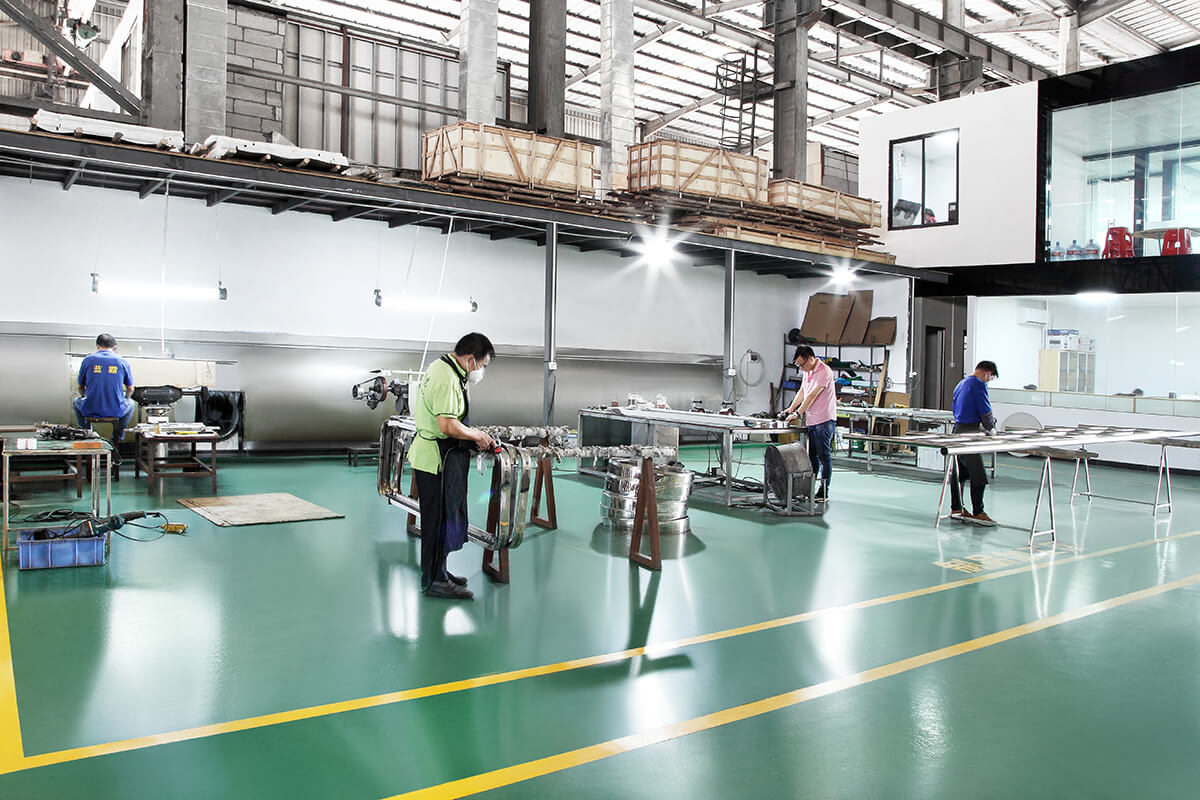
Creating a high-quality stainless steel honeycomb panel isn’t just about gluing metal together; it requires surgical precision and heavy industrial capability. At our 10,000m² manufacturing facility, we control every step of the production lifecycle to ensure the final composite meets strict architectural standards.
Preparation and Cutting of Metal Skins
The process begins with the stainless steel face sheets. We don’t rely on manual cutting; we utilize advanced German 10,000W laser cutters to slice the metal skins with absolute accuracy. This ensures that whether we are producing a standard panel or a complex decorative metal curtain wall, the edges are burr-free and dimensionally perfect. This step is critical for ensuring the top and bottom skins align perfectly during assembly.
Expanding the Honeycomb Node Matrix
The core material often arrives as a compressed block of metal foil. To create the structural “skeleton” of the panel, we expand this block into a hexagonal node matrix. This expansion process creates the open-cell geometry that provides the panel with its incredible strength-to-weight ratio. Our technicians ensure the core is expanded evenly so that structural integrity is consistent across the entire surface area.
Hot Pressing and Curing Techniques
Once the skins and core are prepped, we move to the bonding phase. We apply a high-strength industrial adhesive to the components and place them into a press. Through a combination of hot pressing and vacuum bagging, we apply uniform pressure and heat to cure the adhesive. This fuses the stainless steel skins to the honeycomb core permanently. Our strict zero-defect policy, managed by over 35 master technicians, ensures that every panel comes out of the press perfectly flat and free of delamination risks.
Aluminum vs Stainless Steel Honeycomb
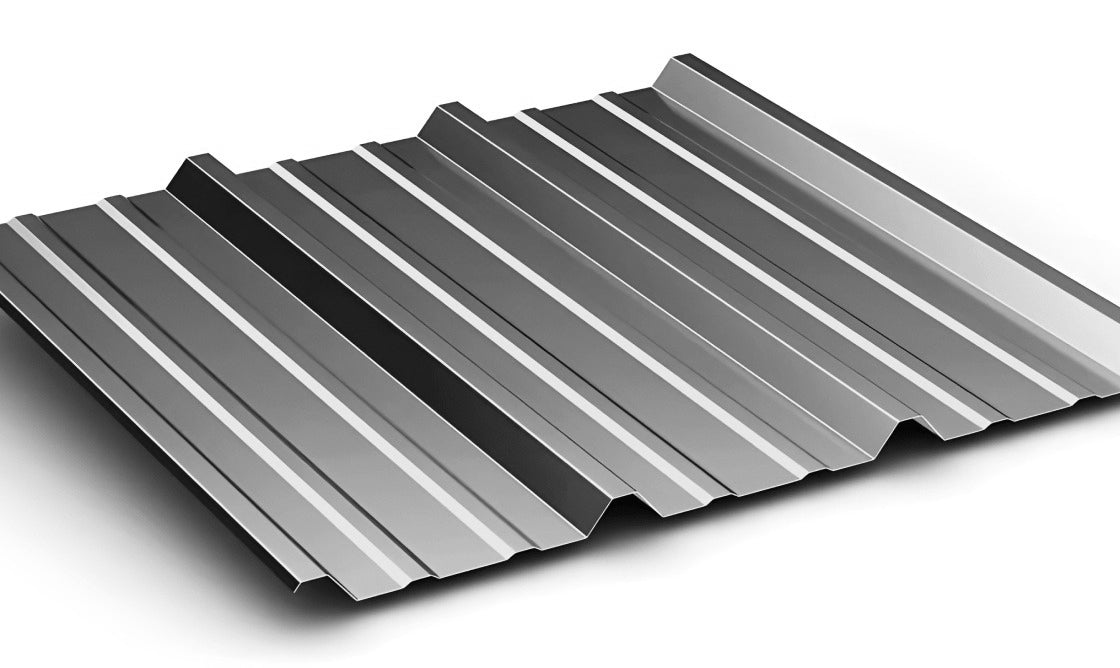
When clients ask me what is stainless steel honeycomb sandwich panels’ biggest advantage over aluminum, it usually comes down to environment and impact. Both are excellent honeycomb composite panels, but they serve distinct structural needs.
Weight and Heavy Load-Bearing Differences
- Aluminum: Prioritizes extreme weight reduction. It is easy to handle but sacrifices raw strength.
- Stainless Steel: Heavier than aluminum, but delivers vastly superior heavy load-bearing capacity. It maintains a remarkably high strength-to-weight ratio, absorbing physical stress and impacts that would quickly crush or dent lighter metals.
Cost Comparison, Durability, and Overall ROI
| Feature | Aluminum Honeycomb | Stainless Steel Honeycomb |
|---|---|---|
| Upfront Cost | Lower initial investment | Higher initial investment |
| Durability | Moderate impact resistance | Extreme wear and impact resistance |
| Long-Term ROI | Good for standard, low-stress use | Outstanding in harsh, high-traffic conditions |
Aluminum will save your budget on day one. However, stainless steel guarantees long-term performance. Because it actively resists rust, deep scratches, and heavy wear, your replacement and maintenance costs drop to nearly zero over its lifespan. For demanding projects, the long-term ROI of stainless steel simply cannot be beaten.
Best Use Cases and Environments
Knowing exactly where to deploy these lightweight structural building panels ensures optimal performance and safety.
- Aluminum Applications: Standard architectural metal cladding, interior drop ceilings, and basic office partitions.
- Stainless Steel Applications: Extreme and high-traffic environments. We rely on these for marine grade honeycomb structures, secure cleanroom wall paneling, and heavy public transit interiors. In commercial real estate, they are the standard for high-end, heavy-duty applications, perfectly complementing rugged fixtures like a modern stainless steel elevator door frame to handle constant daily use.