
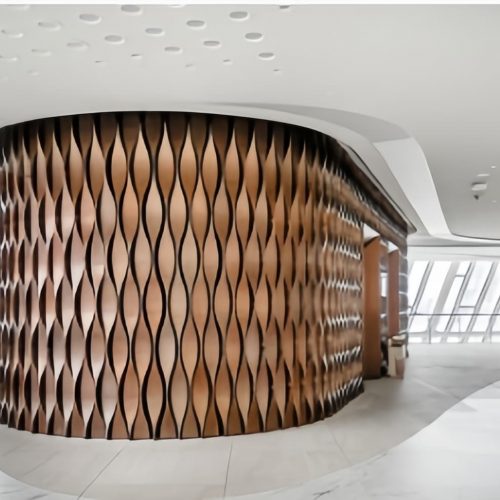
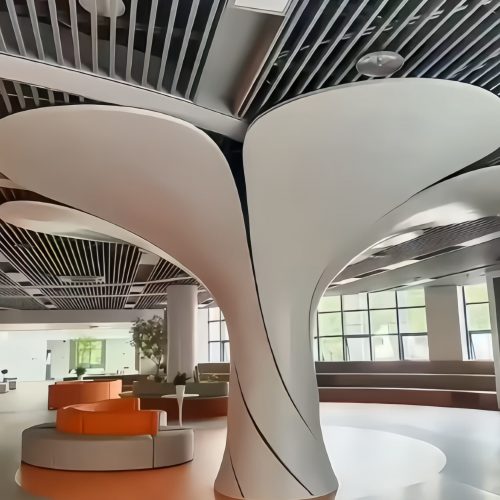
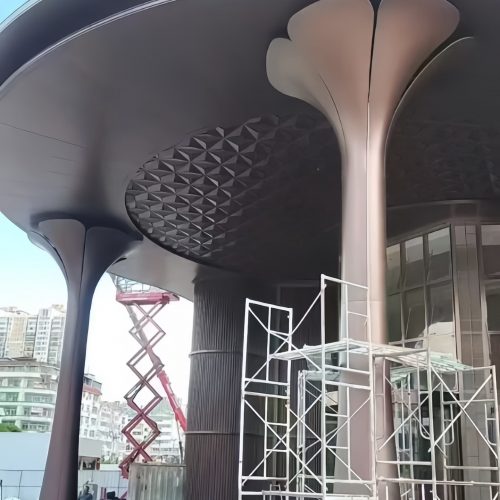
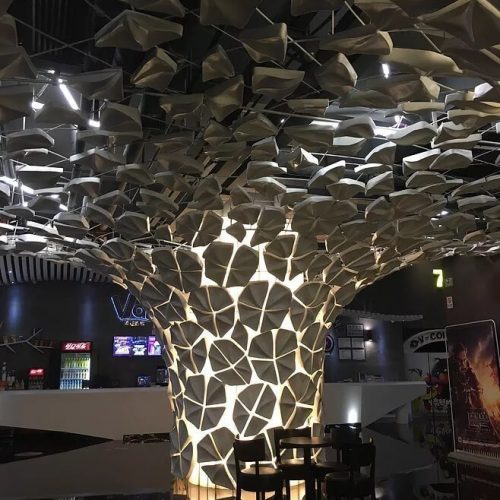
Stainless steel column cladding is a versatile choice for many building types, offering both protection and aesthetic appeal. In commercial buildings, it helps safeguard structural columns while enhancing the overall look. For example, wrapping columns with stainless steel can hide imperfections and create a sleek, modern appearance that boosts curb appeal.
High-rise buildings often use stainless steel panels for exterior facades and interior column wraps. These systems are durable enough to withstand weather and impact, making them ideal for high-traffic areas. Whether on the outside or inside, stainless steel cladding adapts well to different environments.
When used outdoors, stainless steel cladding faces weather, impact, and traffic. It’s designed to handle cleaning and maintenance easily, maintaining its appearance over time. For interior applications, the focus is more on aesthetics and easy upkeep, especially in commercial spaces like lobbies and retail outlets.
In harsh environments, such as coastal areas with salty air, industrial zones, or chemical exposure zones, choosing the right grade of stainless steel is crucial. Grade 316 stainless steel, for example, offers excellent corrosion resistance in coastal and chemical environments, ensuring long-term performance. Understanding the specific environment helps determine whether 304, 316, or even 430 stainless steel is the best fit for your project.
Benefits of Stainless Steel Column Cladding

Stainless steel column cladding offers a range of advantages that make it a popular choice for both interior and exterior building applications. Here’s why many architects and builders prefer it:
| Benefit | Details |
|---|---|
| Durability + Long Service Life | Stainless steel is highly resistant to wear and tear, ensuring your columns stay looking good for decades without needing frequent repairs. It’s a reliable, long-lasting solution. |
| Corrosion and Weather Resistance | Grade options like 316 stainless steel are especially suited for harsh environments such as coastal or industrial areas, protecting against rust, salt, and chemical exposure. |
| Low Maintenance + Easy Cleaning | Unlike other materials, stainless steel cladding is simple to clean. A quick wipe with a damp cloth keeps it shiny and fresh, saving time and costs. |
| Aesthetic Flexibility | With various finish options—brushed, mirror, matte, or textured—you can customize the look to match your design style. It works well with different textures and shapes, including round or rectangular columns. |
| Sustainability + Long-term Value | Made from recyclable materials, stainless steel supports green building goals. Its durability means fewer replacements, making it a cost-effective choice over time. |
Choosing stainless steel for column cladding not only enhances the building’s appearance but also provides a resilient, eco-friendly solution that stands the test of time.
Design Options and Custom Stainless Steel Column Cladding
When it comes to stainless steel column cladding, the design options are almost endless. You can choose from various finishes, panel sizes, shapes, and details to match your building’s style and functional needs.
Finish Options
- Brushed: Offers a soft, matte look that hides fingerprints and scratches.
- Mirror: Provides a sleek, reflective surface for high-end, modern aesthetics.
- Matte: Smooth and non-reflective, ideal for a subtle, understated appearance.
- Textured/Embossed: Adds depth and tactile interest, perfect for creating unique visual effects.
Panel Sizing and Shapes
- Sizes: Custom panels can be made to fit columns of any height or diameter.
- Shapes: Suitable for round columns, square, or rectangular shapes.
- Radius Work: Curved panels are available for round columns or architectural features requiring radius detailing.
Edge Details and Joints
- Edges: Can be finished with clean, sharp lines or rounded edges for safety and aesthetics.
- Seams and Reveals: Designed for seamless appearance or intentional joint lines, depending on the style.
- Joint Layout: Strategic placement of seams and reveals ensures durability and visual appeal.
Mixing Materials
- Stainless steel cladding can be combined with other materials like stone, glass, aluminum, or composite systems. This creates a layered look or highlights specific architectural features. For example, metal cladding systems often integrate multiple materials for a custom finish.
By customizing these design options, you can achieve a unique look that enhances the building’s overall design while maintaining durability and performance.
Stainless Steel Column Cladding Systems and Installation Methods

When it comes to installing stainless steel column cladding, there are several systems to choose from, each suited for different project needs. The most common options include clip-on or cassette-style systems, adhesive bonding, and mechanical fastening methods.
Clip-on / Cassette Style Systems
Clip-on or cassette systems are popular because they allow for quick installation and easy maintenance. These systems involve pre-fabricated panels that are clipped onto a supporting framework attached to the structure. They are ideal for both interior and exterior applications, providing a sleek, seamless look. For example, high-end commercial buildings often use these systems for their clean finish and ease of replacement if panels get damaged. You can explore more about custom metal cladding design options on Xinye Metal’s site.
Adhesive Bonding Considerations
Adhesive bonding can be a good choice for stainless steel facade cladding in specific situations, especially when a clean, fast appearance is desired without visible fasteners. However, it’s important to note that adhesive bonding isn’t suitable for all environments or structural loads. It works well in interior settings or areas with minimal movement, but in exterior or high-impact zones, mechanical fastening is usually more reliable. Proper surface preparation and selecting the right adhesive type are crucial for durability and longevity. During stainless steel cladding installation, silicone sealant can be applied to joints and gaps to improve waterproofing performance and maintain a clean architectural appearance.
Mechanical Fastening Systems
Mechanical fastening methods, such as screws, rivets, or hidden fasteners, are the most common for metal column cladding systems. They provide a secure attachment, especially in harsh weather conditions or high-traffic areas. Hidden fasteners are often preferred for a sleek, uninterrupted appearance, while exposed fasteners are easier to install and replace. When planning the installation, it’s essential to account for thermal movement and expansion gaps to prevent buckling or warping of the stainless steel panels.
Planning for Thermal Movement, Drainage, and Expansion Gaps
Stainless steel cladding systems need thoughtful planning to handle thermal expansion and contraction. Proper spacing and joint design help prevent surface stresses and damage over time. Drainage gaps are also critical to ensure water runoff doesn’t accumulate behind panels, which could lead to corrosion or staining. Ensuring these details are incorporated into the design stage helps maintain the cladding’s appearance and structural integrity over the long term.
Technical Specifications for Stainless Steel Column Cladding

Choosing the right stainless steel grade is key for durability and performance. For different environments, specific grades are recommended:
| Environment | Recommended Grade | Key Features |
|---|---|---|
| Standard interior | 304 | Good corrosion resistance, affordable |
| Coastal/chemical areas | 316 | Superior corrosion resistance, handles salt and chemicals well |
| Budget/interior | 430 | Cost-effective, suitable for less demanding conditions |
Thickness Options and Their Impact
- 1.2mm to 2.0mm are common thicknesses.
- Thicker panels increase stiffness and dent resistance.
- Thicker options also mean higher cost but better durability.
- Thinner panels are lighter and easier to install but may scratch or dent more easily.
Finish Specifications and Handling
- Finishes include brushed, mirror, matte, and textured.
- Scratch resistance varies with finish type:
- Mirror finishes show scratches more clearly.
- Brushed and textured finishes hide minor marks better.
- Proper handling and cleaning are essential to maintain the finish over time.
Quality Standards and Buyer Expectations
- Reputable suppliers should provide compliance with standards like ASTM, ISO, and EN.
- Request mill test reports and certifications to verify material quality.
- Ensure panels meet dimensional tolerances for a smooth installation.
Using the right grade and thickness ensures your stainless steel column cladding performs well, looks great, and lasts long, even in challenging conditions. For a tailored solution, consult with your supplier about specific project needs.
Installation Considerations (Before, During, After)
Proper installation of stainless steel column cladding is key to ensuring durability and a polished look. Before starting, make sure the surface is well-prepared—this means the substrate should be level, clean, and dry. Any unevenness or dirt can affect how the panels sit and their long-term performance.
Structural support and backing materials are also crucial. They need to be strong enough to hold the cladding securely and accommodate thermal movement. Common backing options include framing systems designed specifically for metal cladding, which help maintain alignment and prevent warping.
During installation, best practices include paying close attention to alignment and seam consistency. Precise positioning of panels and careful detailing around corners and edges help achieve a seamless appearance. For corner detailing, consider using custom edge profiles or reveals to enhance visual appeal and weather tightness.
Safety on the jobsite is non-negotiable. Make sure all workers follow safety regulations, especially when handling large panels or working at heights. Additionally, adherence to local building codes and standards ensures the installation meets legal requirements and performs as expected over time.
For detailed guidance, it’s helpful to consult technical datasheets or manufacturer instructions. Proper planning and execution during installation will maximize the lifespan and aesthetic quality of your stainless steel column cladding system.
Maintenance and Longevity of Stainless Steel Column Cladding
Keeping stainless steel column cladding looking great over time is pretty straightforward if you follow some simple maintenance tips. The key is to match your cleaning methods to the finish type—whether it’s brushed, mirror, matte, or textured. For most finishes, using a soft cloth and mild soap or a stainless steel cleaner is enough. Avoid harsh abrasives, steel wool, or acidic cleaners, as these can scratch or damage the surface.
Common issues that can affect stainless steel cladding include fingerprints, tea staining, water spots, and scratches. Fingerprints are especially noticeable on mirror finishes, but they can be wiped away easily with a soft cloth. Tea staining, caused by chlorides or salt exposure, can be managed through regular cleaning and proper sealing in harsh environments. Water spots are often just mineral deposits that can be removed with a vinegar solution or specialized stainless steel cleaner. Scratches can be minimized with gentle polishing or, in some cases, panel replacement if damage is severe.
Fixing surface issues involves techniques like passivation, which restores the protective oxide layer and enhances corrosion resistance, or polishing to remove surface blemishes. For deeper scratches or damaged panels, replacing individual sections might be the best route to maintain the cladding’s appearance and performance.
To keep the finish looking consistent over the years, regular cleaning and inspections are essential. Applying protective coatings in aggressive environments can also extend the lifespan of the stainless steel cladding. Proper maintenance not only preserves the aesthetic appeal but also ensures the durability and corrosion resistance of your stainless steel column cladding, making it a long-lasting choice for building design.
Cost and Procurement for Stainless Steel Column Cladding
The cost of stainless steel column cladding depends on several factors. The grade of stainless steel (such as 304, 316, or 430), the thickness of the panels, and the type of finish all influence the price. Additionally, the complexity of fabrication — including custom shapes, radius work, and detailed jointing — can add to the overall cost. Larger or uniquely shaped columns may require more precise cutting and forming, increasing expenses.
When comparing stainless steel cladding to other materials like aluminum composite panels (ACP), stone wraps, or painted steel, stainless steel often offers a longer lifespan and better durability, which can justify a higher initial investment. However, the choice should also consider project-specific needs, environmental conditions, and maintenance costs.
To ensure smooth procurement, it’s important to specify detailed drawings with clear tolerances, finish samples, and test certificates. This helps avoid surprises during fabrication and installation. Working with a reliable supplier who provides quality assurance (QA) and quality control (QC) checkpoints is key. They should offer transparency on material traceability, compliance with standards, and after-sales support, making sure the stainless steel cladding meets project expectations and lasts over time. For more on custom metal cladding design, you can explore metal trim manufacturers.
Environmental and Sustainability Factors
Stainless steel column cladding is an eco-friendly choice that aligns well with green building goals. One of its biggest advantages is recyclability—stainless steel is 100% recyclable without losing quality, which means it can be reused multiple times during its lifecycle. This helps reduce waste and supports sustainable construction practices.
In addition, the production of stainless steel involves eco-friendly considerations, such as energy-efficient melting and refining processes, and the use of recycled materials in manufacturing. Many suppliers now prioritize environmentally responsible methods, making stainless steel a sustainable option for architectural metal cladding solutions.
Using stainless steel cladding also contributes to achieving green building certifications like LEED or BREEAM. Its durability and long service life mean fewer replacements and less maintenance, which further lowers environmental impact over time. Overall, stainless steel column cladding not only provides a high-performance exterior but also supports environmentally conscious design and construction.
Case Studies / Project Examples

Stainless steel column cladding is widely used across various types of buildings, showcasing its versatility and durability. For example, in commercial lobbies, stainless steel column wraps are chosen not only for their modern look but also for their durability and easy cleanability. These interior applications benefit from high-performance stainless steel sheets that maintain their appearance over time, even in high-traffic areas. To see some design ideas and installation tips, you can explore custom metal cladding design.
In coastal or industrial environments, exterior columns made with grade 316 stainless steel are preferred due to their superior corrosion resistance. This grade handles harsh weather, salt spray, and chemical exposure better than other stainless steel grades, ensuring long-lasting performance. Such projects highlight the importance of selecting the right stainless steel grades for specific environments.
High-end architectural finishes, like mirror or brushed stainless steel, are often used for exterior or interior columns in luxury buildings. The choice between mirror and brushed finishes depends on the desired aesthetic and maintenance needs. Mirror finishes offer a sleek, reflective surface, while brushed finishes provide a more subtle, textured look that can better hide fingerprints and scratches.
Throughout these projects, key lessons include the importance of detailed planning for seam layout and joint design, proper maintenance routines, and strategies to prevent surface damage. Proper detailing and maintenance planning help ensure the cladding remains attractive and functional over its long service life.
Why Choose Xinye Metal for Stainless Steel Column Cladding

At Xinye Metal, we excel in delivering high-quality stainless steel column cladding solutions tailored to your project needs. Our manufacturing capabilities are extensive, allowing us to customize every detail—from cutting and forming to finishing—ensuring the perfect fit for your building design. Whether you need brushed, mirror, or textured finishes, we can produce panels that match your aesthetic goals.
We prioritize material traceability, providing comprehensive mill test reports and inspection documentation for every batch. This transparency helps you meet strict quality standards and ensures reliable performance, especially in demanding environments like coastal or industrial areas.
Our experience with international standards and export processes means we understand global project requirements. We can handle large-scale orders while maintaining consistent quality, making us a dependable partner for both interior and exterior stainless steel facade cladding projects.
Plus, our after-sales support is built to help you succeed. We offer installation guidance, assist with finish matching, and provide replacement panels if needed. Choosing Xinye Metal means partnering with a supplier committed to quality, flexibility, and long-term value in your architectural metal cladding solutions.