
Understanding Stainless Steel (and Why Coloring It Is Tricky)
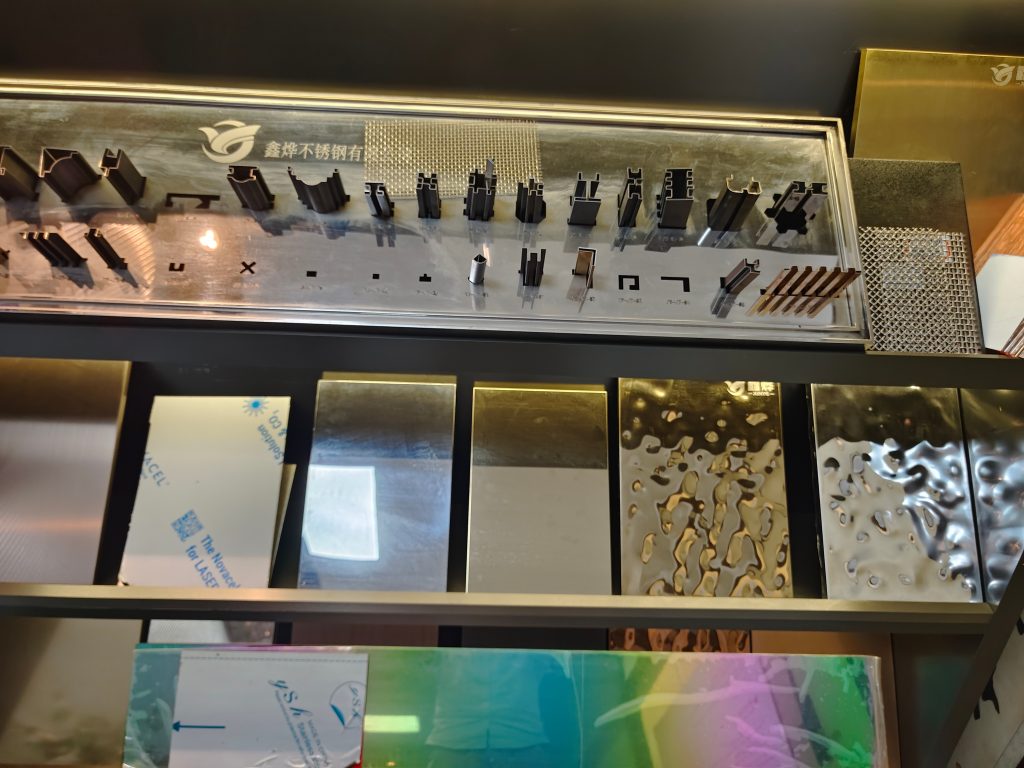
Stainless steel is a popular choice for jewelry, watches, and home decor because of its durability, corrosion resistance, and sleek look. It’s made mainly from iron, combined with elements like chromium, nickel, and sometimes molybdenum. This combination creates a material that resists rust and tarnish, making it ideal for everyday wear.
However, when it comes to coloring stainless steel, things get a bit tricky. Unlike softer metals like gold or copper, stainless steel has a very smooth, non-porous surface. It also develops a passivation layer—a thin, protective oxide film—that helps prevent corrosion. While this layer is great for durability, it makes it harder for color coatings or finishes to stick properly.
If you’ve ever tried to color stainless steel and noticed that the color chips or wears off quickly, that’s because of these surface characteristics. The smooth surface and passivation layer make it difficult for many coloring methods to adhere evenly and last long-term. This is why special surface treatments or professional finishing techniques are often needed to achieve a durable, attractive rose gold look on stainless steel.
Can Stainless Steel Be Turned Into a Rose Gold Color?

When we talk about “rose gold,” we’re usually referring to a gold and copper alloy that has a warm, pinkish hue. True rose gold is a specific metal blend that contains about 75% gold and 25% copper, giving it that distinctive color. However, most stainless steel items don’t naturally contain gold, so achieving a genuine rose gold finish involves surface treatments or coatings.
Trying to match the look of rose gold on stainless steel is possible, but it’s important to understand the difference between a real rose gold alloy and a rose-gold-colored finish. While the alloy is a metal itself, most surface treatments are just coatings that mimic the appearance. This means that, realistically, you can get a pretty close look, but the underlying metal remains stainless steel.
There are some common limitations to keep in mind. For example, color accuracy can vary, especially if the coating wears or scratches over time. Edge wear and scratches tend to be more visible on rose gold finishes because of their lighter, warmer tone. So, while you can achieve a beautiful rose gold appearance on stainless steel, it’s not always as durable or long-lasting as a true rose gold alloy.
Best Ways to Make Stainless Steel Look Rose Gold (Surface Treatments)
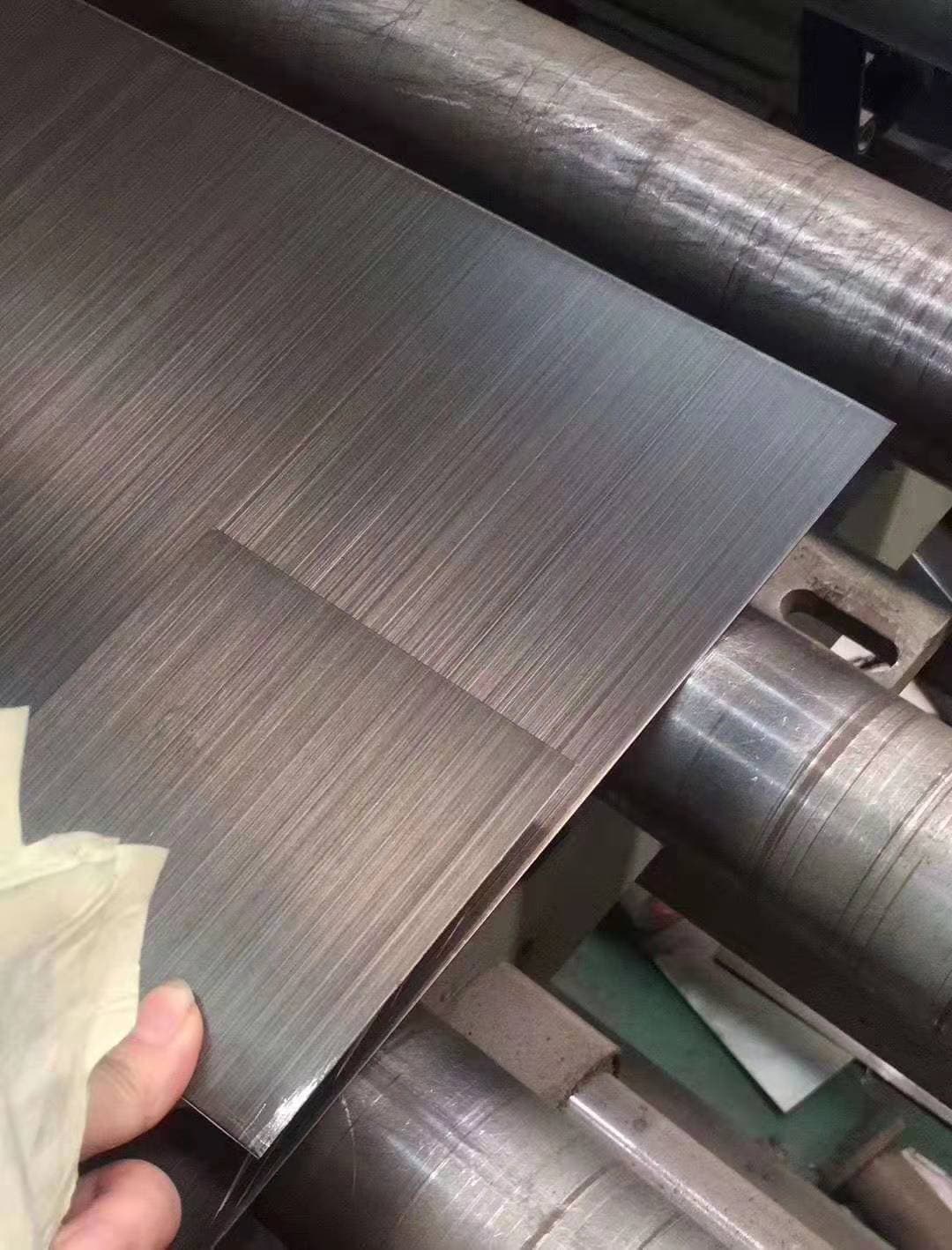
Electroplating stainless steel rose gold is one of the most common and effective methods to achieve that warm, luxurious hue. This process involves depositing a thin layer of rose gold-colored alloy or metal onto the surface of the stainless steel using an electric current. It’s a popular choice for jewelry, watches, and decorative items because it offers a shiny, attractive finish that closely mimics real rose gold.
How Electroplating Works and When It’s a Good Idea
Electroplating involves submerging the stainless steel in a solution containing gold-tone blends or copper-based alloys, then applying an electric current to deposit the metal onto the surface. This method is ideal when you want a quick, cost-effective way to give stainless steel a rose gold finish. It’s especially suitable for jewelry and accessories that don’t face heavy wear, as electroplated coatings can wear down over time.
Plating Materials and Typical Topcoats
For a rose gold stainless steel finish, plating materials often include a mix of copper, gold, and sometimes other metals to achieve the desired hue. The topcoat usually consists of a clear protective layer that helps prevent tarnishing and scratches. Some common options are:
- Gold-tone blends that mimic rose gold’s warm tone
- Protective clear coatings to enhance durability
Durability Expectations and How to Make Plating Last Longer
Electroplating can last quite a while with proper care, but it’s not as durable as other methods like PVD coating. To extend its lifespan:
- Avoid exposing plated items to harsh chemicals like chlorine or bleach
- Store jewelry separately to prevent scratches
- Clean gently with a soft cloth and mild soap
- Consider a re-coating or re-plate if the finish shows signs of wear or fading
If you’re looking for a more durable rose gold finish on stainless steel, exploring options like PVD rose gold coating might be worth considering. For more info on surface treatments, check out custom stainless steel decor.
PVD Rose Gold Coating on Stainless Steel (Most Durable Option for Many Uses)
PVD, or Physical Vapor Deposition, is a process that involves depositing a very thin layer of rose gold-colored metal onto stainless steel through vacuum technology. This method creates a durable, even coating that can last much longer than traditional electroplating. Because the coating is bonded at a molecular level, it resists scratches, chipping, and wear, making it ideal for jewelry, watches, and decorative accents that see frequent use.
Compared to electroplating, PVD rose gold coating offers superior wear resistance and better color stability. It’s less prone to fading or tarnishing over time, so your stainless steel piece keeps its rose gold look longer without frequent re-coating. This makes PVD a popular choice for those who want a long-lasting, high-quality finish on stainless steel jewelry or accessories.
Matching the rose gold shade with PVD coating involves selecting from a range of tone options, from soft, warm hues to more vibrant, polished finishes. You can also choose between satin or polished looks depending on your style preference. For a more subtle, matte appearance, satin finishes are common, while polished PVD coatings give a shiny, mirror-like effect. This flexibility allows for a customized rose gold look that suits both fashion and decor needs.
Powder Coating or Spray Painting Stainless Steel Rose Gold (Budget/Decor Option)
If you’re looking for an affordable way to give stainless steel a rose gold finish, powder coating or spray painting can be good options—especially for decor or low-friction applications. These methods are popular because they’re quick, inexpensive, and easy to DIY or have done professionally.
When powder coating makes sense:
Powder coating is ideal for items like furniture, fixtures, or decorative pieces where you want a durable, uniform color that resists chipping and scratching. It’s especially useful for projects that won’t be exposed to harsh chemicals or extreme heat. You can find powders in rose gold shades that give a nice metallic look without the high cost of plating or PVD coatings.
Spray paint for small DIY projects:
For smaller projects or quick updates, spray paint designed for metal is a common choice. Look for spray paints labeled for metal and with a metallic or rose gold finish. These paints are easy to apply but expect some limitations. They work well for decorative accents but may not hold up as long as professional coatings.
And the quality checkpoints
- Surface prep: Proper cleaning and sanding are crucial for good adhesion.
- Adhesion: The finish should stick well without peeling or flaking.
- Evenness: Look for uniform color and smooth surface—patchy areas mean a poor finish.
- Final clear protection: A clear coat helps resist scratches and wear, especially on DIY projects.
Big trade-offs:
- Chips and scratches: Spray paint and powder coatings can chip or scratch more easily than electroplating or PVD coatings, especially with frequent handling.
- Heat and chemical resistance: These finishes are generally less resistant to heat, chemicals, and abrasion, which can lead to faster wear over time.
- Appearance: While you can get a decent rose gold look, it may not perfectly match the hue or luster of real rose gold or more advanced coatings.
Overall, powder coating or spray painting is a budget-friendly way to achieve a rose gold look on stainless steel, but it’s best suited for decorative uses where durability isn’t the top priority. If you want a more durable and long-lasting rose gold finish, options like PVD coating or electroplating are worth considering.
Etching, Chemical Coloring, or “Anodizing” for Rose Gold (What’s Possible on Stainless)
When it comes to creating a rose gold finish on stainless steel, techniques like etching, chemical coloring, and anodizing are often discussed. However, it’s important to understand that anodizing on stainless steel isn’t the same as on titanium or aluminum. Stainless steel’s passivation layer makes traditional anodizing difficult, limiting the range of colors and effects you can achieve with this method. Instead, specialized chemical coloring or oxide methods are used to produce unique rose hues, often resulting in subtle, artistic finishes rather than a true metallic rose gold look.
These specialty coloring techniques can create a range of rose or coppery tones, but they tend to be more niche and are mostly used in artistic or decorative applications. They’re not typically suitable for jewelry or high-wear items because the color stability and durability are limited compared to other methods like electroplating or PVD coatings. If you’re aiming for a consistent, long-lasting rose gold finish on stainless steel, exploring surface treatments like electroplating or PVD is usually a better choice.
Professional vs DIY: Which Rose Gold Stainless Steel Method Should I Choose?
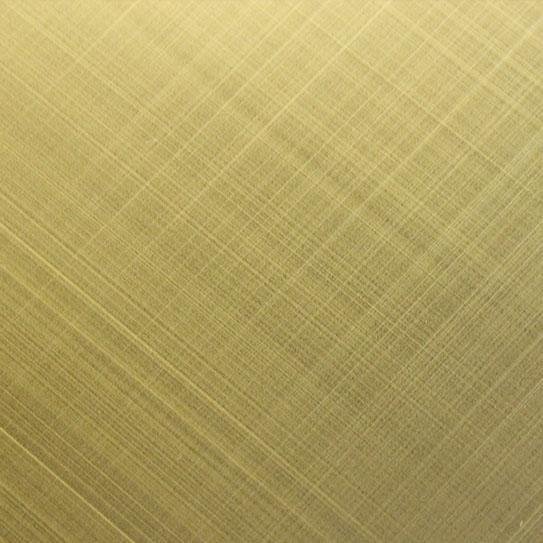
Choosing between a professional finish and a DIY approach depends on your needs and budget. Here’s a quick guide to help you decide.
When to go for a professional shop
- Jewelry and high-wear parts: For items like rings or watches that get daily use, professional electroplating or PVD rose gold coating offers the best durability.
- Consistent color: Professionals can ensure a uniform, high-quality rose gold finish that matches your expectations.
- Complex projects: If you want precise, even coverage on intricate designs, a pro shop has the tools and experience.
DIY options that actually work (and what often fails)
- DIY electroplating kits: These can work for small projects, but often lack the durability of professional plating. Proper surface prep and even application are tricky.
- Spray painting: Cheap and easy for decor or craft projects, but chips and scratches are common. Not suitable for jewelry or items exposed to wear.
- Powder coating: Budget-friendly for home use, but limited to decorative or low-friction applications. It’s less durable than PVD or electroplating.
In , if you want a long-lasting, high-quality rose gold finish on stainless steel, a professional process like electroplating or PVD is your best bet. For decorative or temporary projects, DIY options can be suitable but come with limitations.
After all, here’s a quick comparison of common methods:
| Method | Cost | Durability | Realism | Best Use Cases |
|---|---|---|---|---|
| Electroplating | Moderate | Good but can wear over time | Looks authentic but edges may wear | Jewelry, accessories |
| PVD Coating | Higher | Very durable, scratch-resistant | Closest to real rose gold | High-end jewelry, watches, decor |
| Powder Coating | Lower | Moderate, chips easier | Less realistic, more matte | Decor, low-wear items |
| Paint/Spray | Cheapest | Least durable, chips easily | Not very realistic | DIY projects, temporary use |
If you want a detailed comparison to help decide, check out stainless steel surface treatment options for more insights.
How to Care for Rose Gold Stainless Steel (So It Stays Rose Gold)
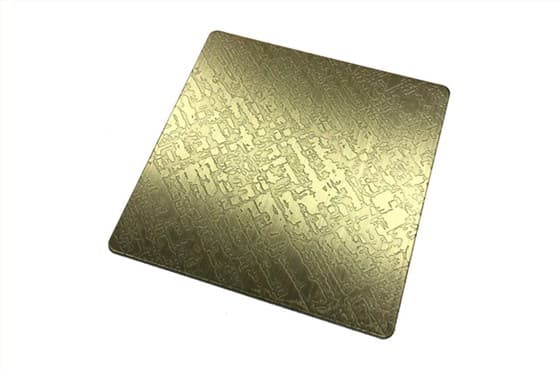
Keeping your rose gold stainless steel looking its best isn’t complicated, but it does require some simple care. Whether it’s jewelry, decor, or other items, following a gentle routine helps preserve that beautiful rose gold hue and prevents damage.
Cleaning Routine
- Use a mild soap mixed with warm water and a soft cloth or sponge.
- Gently wipe the surface, avoiding any harsh scrubbing or abrasive materials that could scratch the finish.
- Rinse with clean water and dry thoroughly with a soft cloth to prevent water spots.
- For jewelry, avoid ultrasonic cleaners unless approved for stainless steel, as some chemicals can affect the coating.
Chemicals to Avoid
- Chlorine, bleach, and harsh cleaning agents can cause discoloration or damage to the rose gold finish.
- Perfumes, lotions, and hairsprays should be applied before putting on jewelry to prevent chemical exposure.
- Avoid using abrasive powders or steel wool that can scratch or wear down the surface coating.
Touch-Ups, Recoat, or Re-plate?
- Over time, minor scratches or fading might appear on your stainless steel with rose gold finish.
- For small scratches, a professional can often recoat or re-plate the item with a rose gold PVD coating or electroplating to restore its look.
- Recoating is usually more affordable and less invasive than re-plate, which involves removing the old finish and applying a new layer.
- Regular maintenance and gentle cleaning can extend the life of the rose gold finish, keeping it looking fresh longer.
By following these simple tips, your rose gold stainless steel items will stay stunning and vibrant for years to come. Proper care is key to maintaining the durability and beauty of the finish, especially if you’ve invested in high-quality PVD coatings or electroplating for long-lasting results.
Custom Rose Gold Stainless Steel Finishing (What to Ask a Supplier/Finisher)
When ordering a custom rose gold stainless steel finish, it’s important to ask the right questions to ensure you get the look and durability you want. Here are the key points to cover:
- Process Type: Find out whether they’ll use electroplating, PVD coating, powder coating, or chemical coloring. Each method has different advantages in durability and appearance. For example, PVD rose gold coating is known for being long-lasting and scratch-resistant, making it a popular choice for jewelry and high-wear items.
- Thickness & Base Prep: Ask about the thickness of the rose gold layer and how the surface will be prepared beforehand. Proper surface preparation, like cleaning and polishing, is crucial for good adhesion and an even finish.
- Color Matching Expectations: Request samples or color swatches to see how close the finish will be to your ideal rose gold tone. Tolerances can vary, so confirming batch consistency is key, especially if you’re producing multiple pieces or large runs.
- Quality Standards & Inspection: Ensure the supplier performs adhesion tests, wear resistance checks, and corrosion resistance assessments. These are vital to guarantee the finish will hold up over time, especially for jewelry or decor that’s exposed to daily wear or environmental factors.
Asking these questions upfront helps you avoid surprises and ensures the final product matches your expectations for durability, appearance, and quality. For more ideas on custom stainless steel finishes, you might explore options like stainless steel art and glass screens to see how different finishes can be applied creatively.