
What They Are Used For
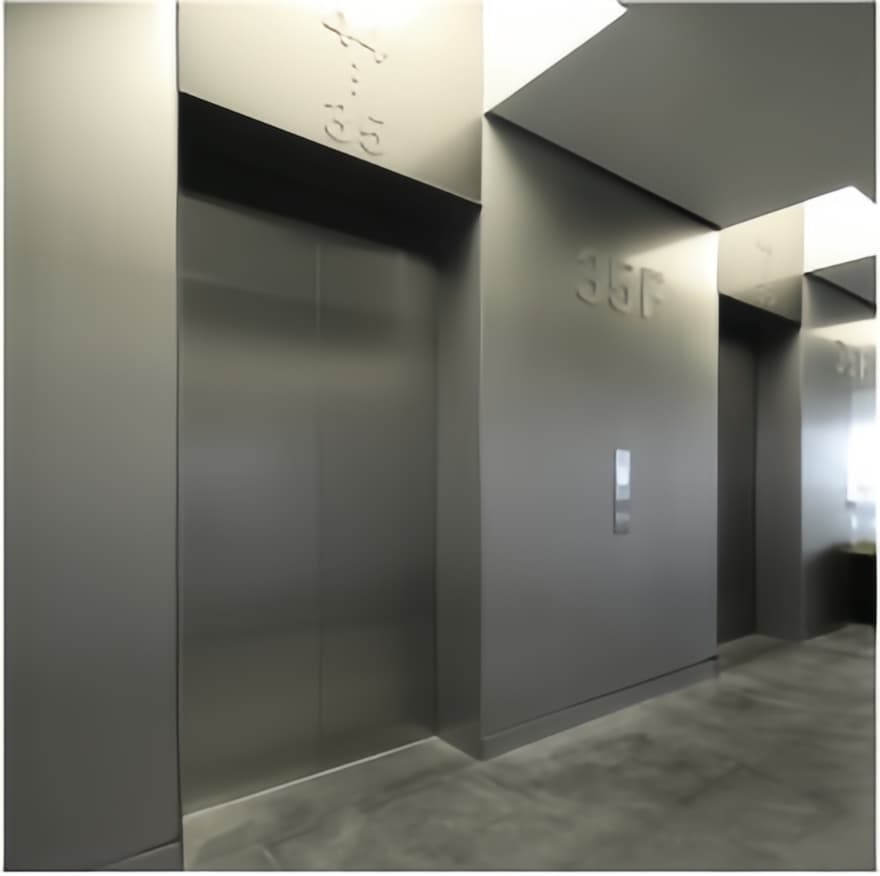
I use stainless steel honeycomb panels when a project needs a premium metal finish without the weight and flatness issues of solid sheet metal. As a metal composite sandwich panel with a hexagonal aluminum core structure, it fits fast-moving B2B projects that need both looks and performance.
Common Uses
- Exterior curtain walls and architectural cladding
- Luxury interiors, elevator cabin interior panels, and commercial fit-outs
- Lightweight structures that still need high rigidity-to-weight ratio, strong panel flatness deflection control, and A2 fire-rated building materials performance
For me, the big advantage is simple: I get a stable, large-format panel that supports modern facade design, clean interior detailing, and safer builds with less dead load.
How I Vet a Stainless Steel Honeycomb Panel Supplier in China
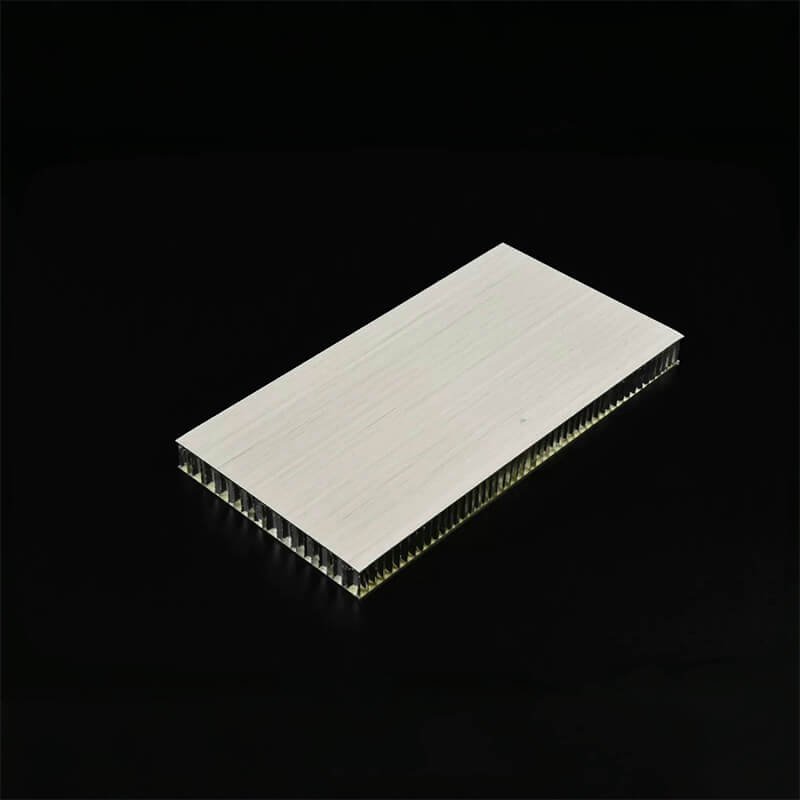
When I source stainless steel honeycomb sandwich panels, I start with proof, not promises. The first check is material traceability for 304, 316, and 316L stainless steel skin, plus clear documentation for the hexagonal aluminum core structure and the finished panel build.
What I Check First
- Material traceability: I ask for a clear Material Test Certificate (MTC) so I know the skin grade matches the order.
- Fire performance: I review whether the panel is positioned for A2 fire-rated building materials use, especially for facade and interior projects.
- Bond quality: I look for peel strength and core-to-skin stability, because delamination risk is a real problem on low-grade sheets.
- Flatness control: I want tight panel flatness deflection control, especially on large-format architectural curtain wall cladding.
- Custom capability: I confirm the factory can handle custom size 1220x2440mm panels, larger formats, and the surface finish I need, including PVD vacuum ion coating finish.
My Supplier Filter
| Check point | What I want to see |
|---|---|
| Skin grade | 304, 316, or 316L stainless steel skin |
| Core structure | Stable hexagonal aluminum core structure |
| Safety | A2-class fire performance for project use |
| Finish options | Brushed, mirror, textured, or colored surfaces |
| Delivery | Clear lead times and production capacity |
A good B2B sheet metal fabrication factory should answer these points fast and in writing. If the supplier cannot show traceable material data, flatness control, or custom finish capability, I move on.
Top 10 Manufacturers and Suppliers of Stainless Steel Honeycomb Panels in China
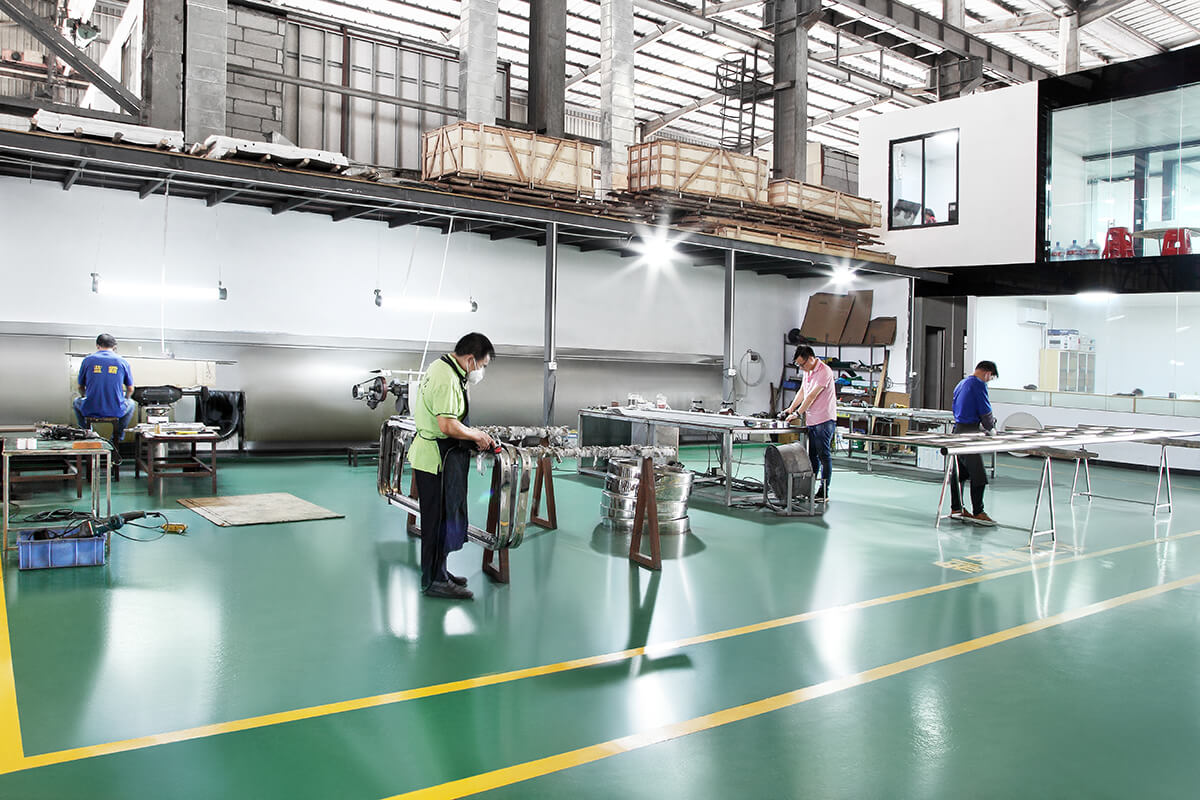
When choosing a supplier for stainless steel honeycomb panels, reliability and quality are key. Here are the top 10 manufacturers in China that stand out for their expertise and product range.
1. Xinye Metal
Xinye Metal is known for premium architectural composite panels. They excel in large-format custom production, offering high-end metal honeycomb sandwich panels with PVD vacuum coating finishes. Their focus on quality and customization makes them a top choice for complex projects. You can explore their capabilities in high-quality budget stainless steel partitions to see how they deliver value without sacrificing quality.
2. Guangdong Huitang Building Materials Co., Ltd.
Specializing in facade systems and exterior envelope projects, this company provides durable, high-performance stainless steel honeycomb panels suitable for large-scale architectural cladding. Their panels meet international standards for fire safety and wind load resistance.
3. Suzhou Haxcore Material Technology Co., Ltd.
Known for honeycomb cores and modular cladding systems, Haxcore offers flexible solutions for both interior and exterior applications. Their panels are designed for easy installation and long-term stability.
4. Foshan Nanhai Hongzan Building Materials
Foshan Hongzan focuses on custom sizing and interior finishing panels. Their products are ideal for high-end interior decor, elevator cabins, and decorative wall panels, ensuring a perfect fit and finish.
5. Huarui Honeycomb Technology (HoneycombChina)
Specializing in industrial honeycomb cores, they serve transit, marine, and heavy-duty applications. Their panels provide excellent impact resistance and structural strength for demanding environments.
6. Guangdong Nanbeiwang Smart Home Co., Ltd.
This company produces high-volume metal composite panels with consistent quality, suitable for large projects requiring mass production without compromising standards.
7. Nouvel Global (Guangzhou) Co., Ltd.
Expert in custom geometric facade fabrication, Nouvel Global offers tailored solutions for complex architectural designs, ensuring aesthetic appeal and structural integrity.
8. Foshan Liming Honeycomb Products Co., Ltd.
Foshan Liming offers standard panels at budget-friendly prices, making them a popular choice for projects where cost efficiency is a priority.
9. Jiaxing CMAG Composite Material Co., Ltd.
Known for high-spec testing and lightweight structural panels, CMAG delivers panels with excellent flatness control and deflection resistance, suitable for both exterior and interior applications.
10. Changqing Aide Li Composite Material Co., Ltd.
Specializing in weather resistance and wind-load performance, this manufacturer provides durable panels that withstand harsh environmental conditions, ideal for exterior cladding in challenging climates.
Choosing the right manufacturer depends on your project requirements, including size, finish, fire safety, and structural performance. For detailed technical specs and to ensure compliance, request full Material Test Certificates (MTC) and fire safety documentation.
Technical Specs I Compare

When I source stainless steel honeycomb panels China, I keep the check simple: skin grade, core build, panel thickness, and finish consistency. For architectural curtain wall cladding and elevator cabin interior panels, I also cross-check the spec set against real project use, like our Putian Wanda Plaza curtain wall case.
Key Specs Table
| Spec | What I Check | Why It Matters |
|---|---|---|
| Stainless steel skin | 201, 304, 316, or 316L; I usually ask for 304 / 316L grade stainless steel skin with traceable MTCs | The skin drives corrosion resistance, appearance, and project compliance |
| Skin thickness | Typical face skin range for buyers is about 0.5 mm to 1.0 mm | Thicker skins usually improve surface stability and handling strength |
| Core material | Hexagonal aluminum core structure with a clean bond line | The core controls rigidity, weight, and panel stability |
| Cell size | About 3 mm to 34 mm | Smaller cells can support tighter flatness targets |
| Bond strength | I verify adhesive performance and peel resistance, not just the brochure claim | Weak bonding raises delamination risk |
| Panel thickness | Standard architectural options like 10 mm, 12 mm, 15 mm, 18 mm, 20 mm, and 25 mm; overall range can go from 5 mm to 100 mm | Thickness affects rigidity, weight, and installation method |
| Flatness control | I look for strong panel flatness deflection control on large-format sheets | This helps prevent oil canning and visible warping |
| Standard sizes | Common sheets: 1220 x 2440 mm and 1220 x 3050 mm | Good for planning cuts and reducing waste |
| Custom formats | Large custom panels can reach about 2000 x 6000 mm | Important for big facade zones and fewer joints |
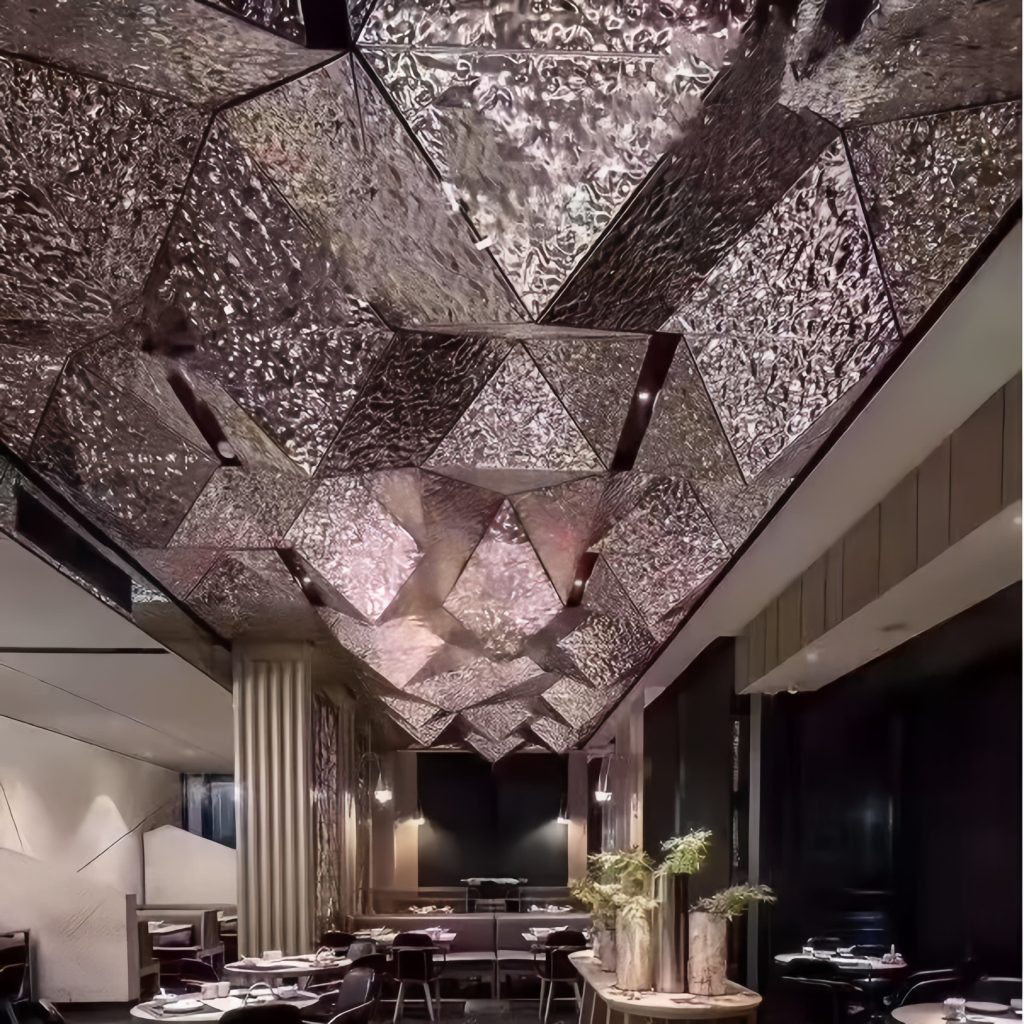
| Surface finishes | 8K mirror, hairline, brushed, sandblasted, vibration, etched, embossed, PVD vacuum ion coating, or electroplated copper | Finish choice changes the final look and maintenance level |
My Short Rule
I only treat a stainless steel honeycomb panel as production-ready when the supplier can prove:
– Traceable material grade
– Stable core bonding
– Flatness control on large sizes
– The exact finish the project needs
Pricing, MOQ, and FOB Shipping Details
In China, stainless steel honeycomb panels typically range from $23 to $45 USD per square meter, depending on factors like skin thickness, grade (304 vs. 316L), surface finish, and panel size. The main cost drivers include raw material quality, panel dimensions, surface treatments (such as PVD vacuum coating), and customization complexity.
Minimum Order Quantities (MOQs) usually start at 100 sq.m for standard panels, but custom sizes, finishes, or thicker skins may require larger orders. Some suppliers offer smaller trial orders or sample packs, especially for project validation.
For shipping, FOB options are commonly available from Shenzhen, Guangzhou, and Shanghai ports. These ports provide efficient logistics for export, with options for full container loads (FCL) or less-than-container loads (LCL). Export packing typically includes sturdy wooden crates or pallets, with sample boxes available for testing or design approval.
Freight planning should consider delivery timelines, customs clearance, and import duties at destination. Many suppliers assist with freight quotes and logistics coordination to ensure smooth project flow.
For detailed cost analysis and to secure competitive pricing, requesting full material test certificates (MTC) and FOB quotes upfront is essential. Proper planning helps avoid delays and unexpected costs, especially when dealing with large-scale or custom metal composite sandwich panels projects.
FAQ on Stainless Steel Honeycomb Panels
- Which grade works best for exterior cladding? I usually treat 304 as the general-purpose choice, then move to 316 or 316L stainless steel skin when the project needs stronger corrosion resistance, especially for exposed facades and harsher environments.
- What fire rating do international projects usually ask for? For A2 fire-rated building materials, that is the common target on many architectural jobs, and some specs may call for A1 depending on code and project risk level.
- How can I check flatness and delamination risk? I ask for panel flatness deflection control data, peel strength results, and a real Material Test Certificate (MTC) set. A sample check plus third-party reports is the safest way to spot bond or warping issues early.
- Can Chinese factories make custom colors and sizes? Yes. A good B2B sheet metal fabrication factory should handle custom size 1220x2440mm panel requests, larger formats, and PVD vacuum ion coating finish options for matching facade or interior design details. I also keep an eye on stainless steel trim color trends when color matching matters.
- What documents should I request before payment? I ask for the MTC, material traceability details, fire test records, and any requested quality documents such as ISO9001, SGS, or CE, plus the final spec sheet for thickness, finish, and lead time.