
What Is Brushed Stainless Steel?
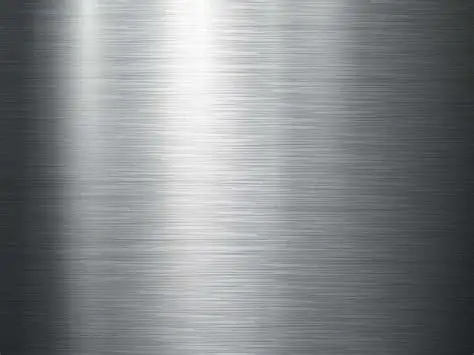
Brushed stainless steel is a popular surface finish used in architectural and commercial projects. It is created through a manufacturing process that produces a distinctive linear grain pattern, giving the metal a matte, low-reflectivity appearance. This finish is often chosen for its durability and ability to conceal fingerprints and scratches, making it ideal for high-traffic areas like elevators, columns, and display cases.
Manufacturing Method and Surface Characteristics
The brushed finish is achieved by polishing the stainless steel surface with abrasive belts or wheels that create fine, unidirectional linear scratches. This process results in a textured surface with a consistent grain pattern. Unlike mirror finishes, brushed stainless steel does not reflect light directly, which helps hide fingerprints and smudges. The surface is slightly rough to the touch, providing a tactile feel that emphasizes its textured look.
Visual and Tactile Features
Visually, brushed stainless steel exhibits a matte or low-sheen appearance with visible, linear grain lines running in one direction. The texture varies from fine to coarse depending on the grit used during polishing. Tactile-wise, it feels slightly rough but smooth enough for comfortable handling. This finish offers a modern aesthetic that balances reflection and concealment, making it suitable for various architectural styles.
Strengths and Limitations in Real-World Use
Brushed stainless steel is highly durable and resistant to scratches and wear, especially when combined with anti-fingerprint coatings. Its ability to hide fingerprints and smudges reduces maintenance needs in busy environments. However, the textured surface can be more challenging to clean thoroughly, as dirt and grime can settle into the grain lines. It is less reflective, which can be a limitation in certain design contexts where high gloss is desired.
Best Applications for Brushed Finish
This finish is ideal for high-touch surfaces such as elevator panels, wall claddings, decorative screens, and kitchen cabinets. Its durability and low maintenance make it perfect for public spaces like shopping malls, airports, and hotels. Additionally, brushed stainless steel is often used in architectural stainless steel cladding and decorative trims to create a sleek, modern look while maintaining practicality.
What Is Satin Stainless Steel?

Manufacturing Method and Surface Characteristics
Satin stainless steel is produced through a finishing process that creates a smooth, soft matte surface with a subtle sheen. Unlike mirror finishes, satin finishes do not reflect light sharply, offering a more subdued and elegant appearance. This surface texture is achieved by using fine abrasive belts or pads during polishing, resulting in a uniform, low-reflectivity finish that is popular in architectural stainless steel cladding and interior applications.
The manufacturing technique involves controlled polishing to produce a consistent, non-directional surface that minimizes fingerprints and smudges, making it easier to maintain over time. Satin finishes are often preferred for their balance of aesthetic appeal and practicality, especially in environments where glare reduction and a refined look are important.
Visual and Tactile Features
In terms of visual appeal, satin stainless steel provides a soft, understated glow that complements modern design schemes. It diffuses light evenly, reducing harsh reflections and creating a calming atmosphere. This makes satin finishes ideal for applications such as elevator panels, wall claddings, and decorative accents where a subtle, sophisticated look is desired.
Strengths and Limitations in Real-World Use
While satin stainless steel offers many benefits, it may not be suitable for high-traffic areas prone to scratches, as the surface can show wear over time. However, its ease of cleaning and ability to conceal fingerprints make it a practical choice for many commercial and residential projects. For example, satin finishes are often used in luxury hotel interiors and high-end retail spaces, where aesthetics and durability are both critical.
Brushed vs. Satin Stainless Steel: 5 Key Differences
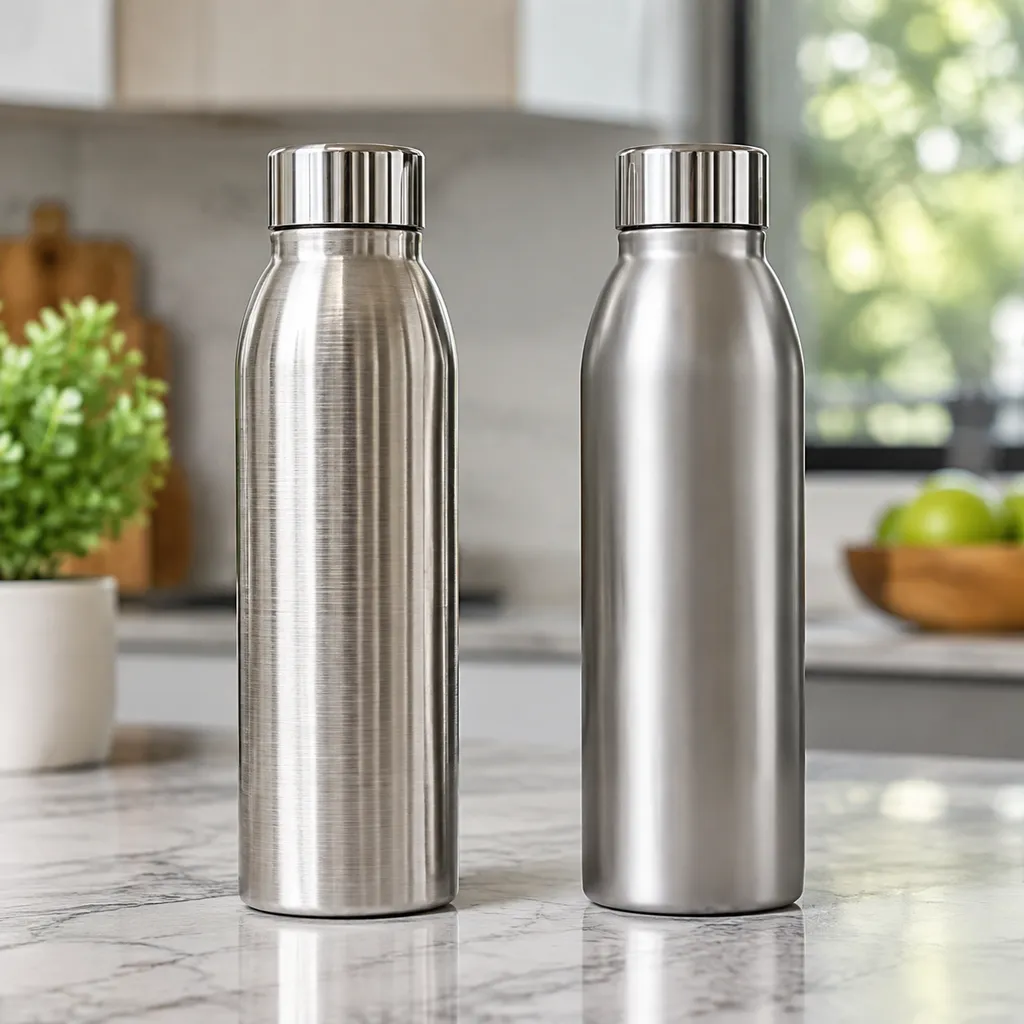
| Feature | Brushed Stainless Steel | Satin Stainless Steel |
|---|---|---|
| Grain Direction & Surface Feel | Features a unidirectional linear grain that creates a textured, matte surface. The feel is slightly rougher and more tactile. | Has a smooth, non-directional finish with a soft, satin sheen. The surface feels softer and more uniform. |
| Surface Sheen & Light Behavior | Exhibits low reflectivity with a matte, subdued appearance. Light diffuses evenly, reducing glare. | Offers a gentle, semi-matte sheen with moderate reflectivity. Light is softly reflected, giving a more refined look. |
| Scratch & Wear Concealment | Better at hiding scratches and fingerprints due to its textured surface. Ideal for high-touch areas. | Shows fingerprints and scratches more easily but can be easier to clean with proper maintenance. |
| Ease of Cleaning & Maintenance | Requires regular cleaning to maintain appearance but conceals smudges well. Uses simple cleaning agents. | Easier to wipe clean; however, fingerprints may be more visible, requiring frequent polishing for a pristine look. |
| Cost & Fabrication Considerations | Slightly more labor-intensive to produce, which can influence cost. Suitable for applications needing a durable, textured finish. | Generally easier and cheaper to produce, making it a popular choice for sleek, modern designs. Compatible with various fabrication techniques. |
Choosing between brushed and satin stainless steel depends on your project needs—whether you prioritize durability and concealment or a softer, more polished look. Both finishes can be customized with PVD coatings or anti-fingerprint layers for added performance and style.
How to Choose the Right Finish for Your Project
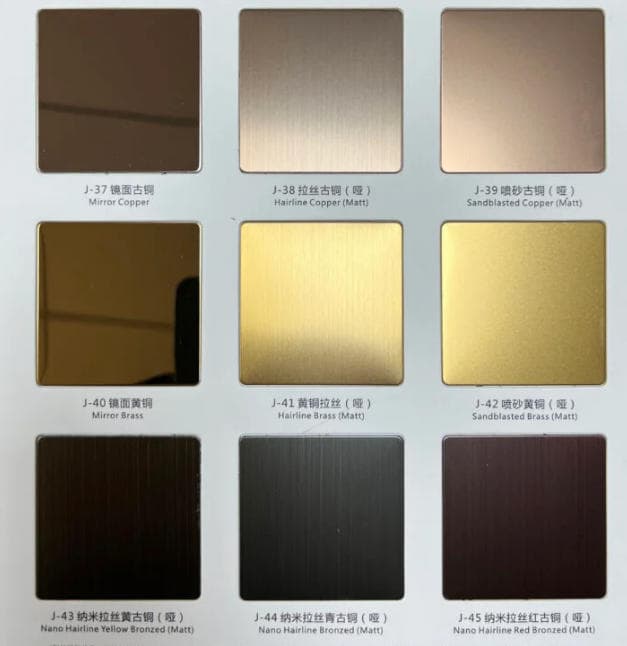
Selecting between brushed stainless steel and satin stainless steel depends on your design goals and functional needs. Brushed finishes are ideal for high-traffic areas where fingerprints and scratches are common, thanks to their ability to conceal marks. Satin finishes, with their softer sheen, suit elegant, understated spaces where light diffusion and a smooth appearance are preferred.
When to Use Brushed Stainless Steel
- High-touch surfaces like elevator door frames, handrails, and display cases
- Commercial spaces with heavy use, such as shopping malls and airports
- Projects requiring scratch and fingerprint resistance
- Examples include architectural stainless steel cladding and decorative trims
Ideal Scenarios for Satin Stainless Steel
- Luxury hotel lobbies and upscale residential interiors
- Feature walls or ceiling panels where a softer, non-reflective surface is desired
- Spaces needing light diffusion without glare
- Suitable for applications like wall panels and decorative accents
Design Tips for Mixing Finishes
- Use contrasting finishes to highlight architectural features
- Combine brushed and satin in large projects for visual interest
- Keep transitions clean and consistent to avoid visual clutter
- For guidance on large-scale projects, see our custom decorative solutions
Matching Finishes in Large-Scale Projects
- Maintain uniformity by specifying the same finish across similar surfaces
- Use color coatings or PVD treatments to unify different textures
- Coordinate finishes with lighting to enhance the desired effect
- Proper planning ensures a seamless look and long-lasting durability
Choosing the right stainless steel finish is about balancing aesthetics, durability, and maintenance. Whether you opt for the practical concealment of brushed or the refined softness of satin, aligning the finish with your project’s environment and purpose is key.
Frequently Asked Questions
Q1: Are brushed and satin stainless steel the same?
No, they are not the same. Brushed stainless steel features a unidirectional grain with a matte, textured finish that hides fingerprints and scratches better. Satin stainless steel, on the other hand, has a softer, more uniform surface with a subtle sheen, providing a smooth, elegant look. Their surface textures and light reflections differ significantly, making each suitable for different applications.
Q2: Which finish is easier to clean?
Brushed stainless steel is generally easier to maintain because its textured surface conceals fingerprints and smudges more effectively. Satin finishes, with their smoother surface, may show fingerprints and water spots more clearly but are still straightforward to clean with proper care, especially if treated with anti-fingerprint coatings.
h3>Q3: Which is more scratch-resistant?
Brushed stainless steel tends to be more scratch-resistant because the textured grain helps hide minor scratches and wear. Satin finishes, being smoother, can show scratches more prominently over time. For high-traffic areas, choosing a brushed or PVD-coated stainless steel can enhance durability.
Q4: Can finishes be mixed in one space?
Yes, mixing finishes like brushed and satin stainless steel is common in architectural designs. Combining different surface textures can create visual interest and highlight specific features. However, it’s essential to plan carefully to ensure a cohesive look, especially in large projects or when pairing with other materials.
Q5: How do light conditions affect each finish?
Lighting impacts how each finish appears. Brushed stainless steel’s directional grain minimizes glare and hides fingerprints under various light conditions, making it ideal for areas with bright lighting. Satin stainless steel reflects light more evenly, offering a softer glow that can enhance the ambiance but may reveal fingerprints more readily in bright environments. Proper lighting design can optimize the aesthetic appeal of either finish.
Q6: Quick Comparison: Brushed vs. Satin Stainless Steel
| Feature | Brushed Stainless Steel | Satin Stainless Steel |
|---|---|---|
| Surface Texture & Grain | Directional, linear grain with a matte finish | Fine, smooth, non-directional surface |
| Reflectivity & Light | Low reflectivity, diffuses light softly | Slightly higher light reflection, softer sheen |
| Manufacturing Process | Sandblasting or abrasive brushing to create linear texture | Polishing with fine abrasives for a smooth, uniform surface |
| Scratch & Wear Resistance | Good concealment of scratches, durable | Slightly more prone to visible scratches but still tough |
| Fingerprint & Smudge | Fingerprint-resistant, hides smudges well | Less resistant, may show fingerprints more clearly |
| Application Scenarios | High-touch areas like elevator panels, wall claddings | Luxury interiors, decorative accents, feature walls |
Both finishes are popular in architectural stainless steel cladding and commercial interior metal fabrication. Choosing depends on desired appearance, maintenance needs, and application environment.
Final Thoughts and Next Steps
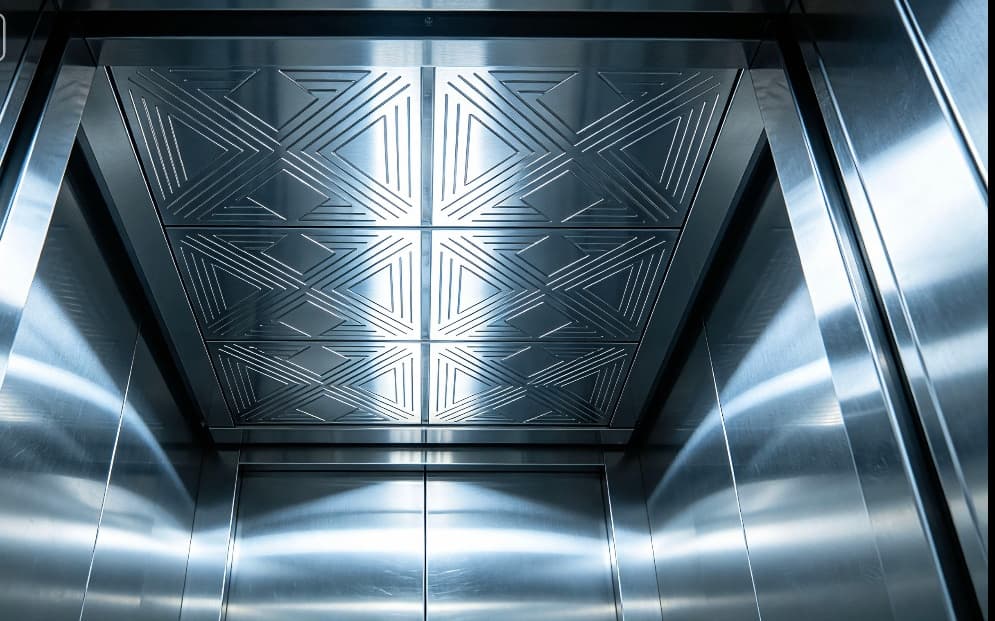
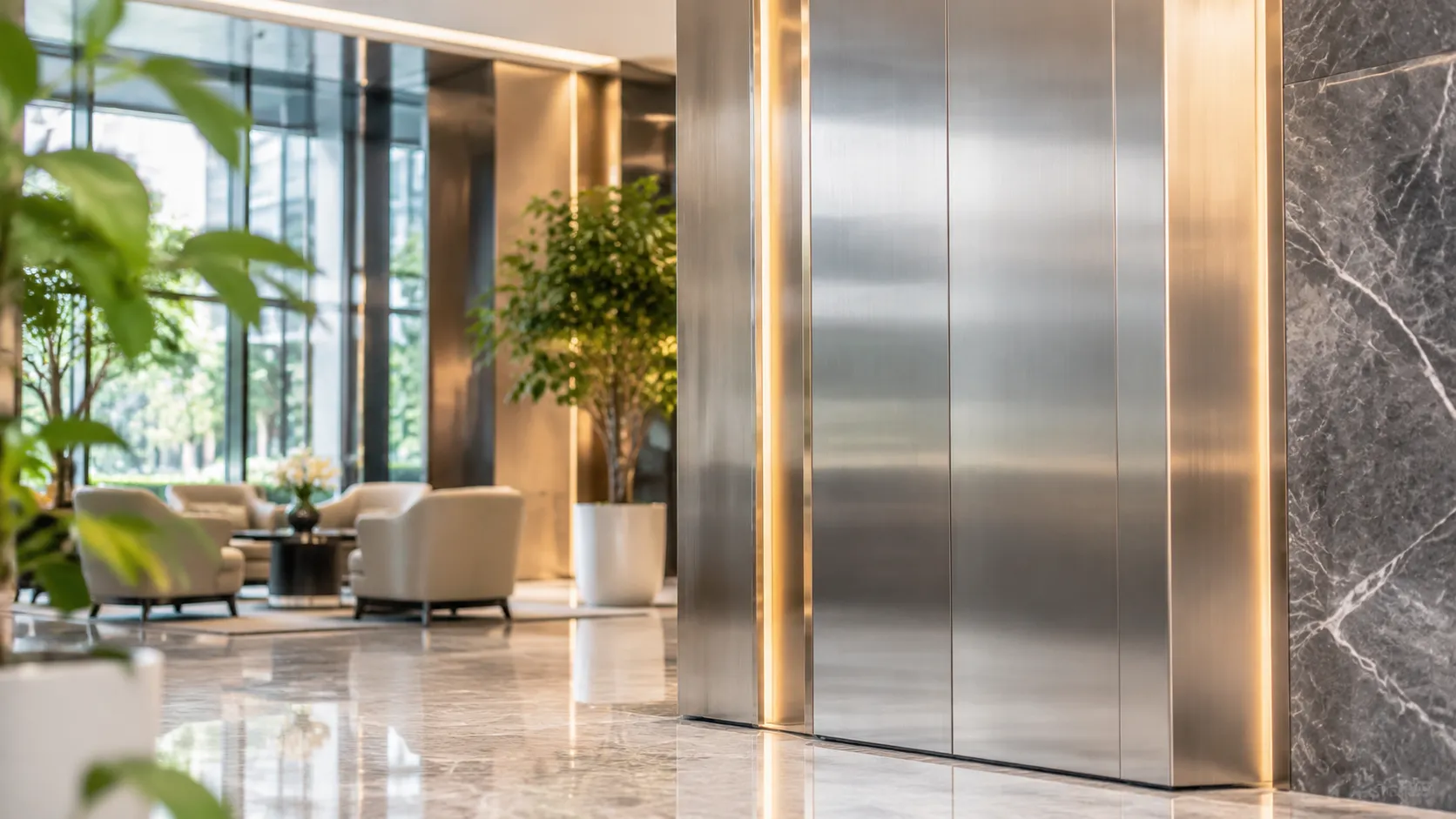
Understanding the key differences between brushed stainless steel and satin stainless steel helps you choose the right finish for your project. Brushed stainless steel features a directional grain with a matte, low-reflectivity surface that effectively conceals scratches and fingerprints, making it ideal for high-touch areas like elevators and commercial facades. Satin stainless steel, on the other hand, offers a softer, non-directional sheen that provides a more refined look, suitable for decorative applications where light diffusion is desired.
When specifying these finishes, consider the environment, maintenance needs, and aesthetic goals. Brushed finishes excel in high-traffic, industrial, or public spaces, while satin finishes suit upscale interiors and elegant design features.
For precise guidance and to ensure your project meets your expectations, contact Xinye Metal. We offer samples, custom fabrications, and professional support to help you select the best finish and material for your architectural needs. Our team is ready to assist with tailored solutions that match your specifications and design intent.