
Looking to achieve a stunning copper color on stainless steel? Whether you’re after a decorative finish or a unique aesthetic, turning stainless steel into a copper-like surface isn’t as complicated as you might think. From chemical patinas to advanced coatings, I’ll guide you through proven methods to get that rich, warm copper tone. Ready to elevate your metalwork with professional techniques that deliver durability and style? Let’s dive in.
Understanding Copper Coloring on Metal Surfaces
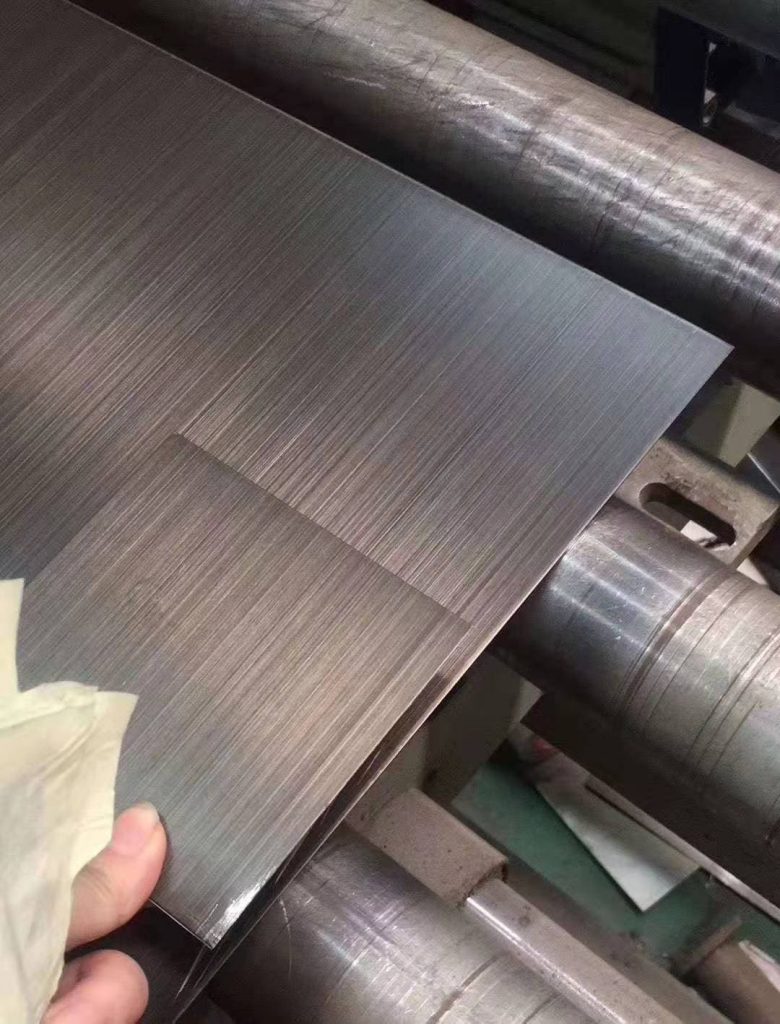
When aiming to turn stainless steel into a copper-colored finish, it’s essential to understand what makes copper look the way it does. A true copper surface has a distinctive tone, sheen, warmth, and reflection that give it its iconic appearance.
What a True Copper Look Is
- Tone: Rich, reddish-orange hue with subtle variations depending on lighting and aging.
- Sheen: A soft, metallic luster that can range from matte to glossy, often with a warm glow.
- Warmth: The color radiates warmth, giving a cozy, inviting feel.
- Reflection: Copper’s reflective surface creates gentle highlights and shadows, adding depth.
Natural Copper Patina vs. Simulated Copper Finishes
- Natural Copper Patina: Over time, copper develops a weathered, greenish-blue patina called verdigris, which adds character but can also lead to corrosion if not sealed.
- Simulated Copper Finishes on Stainless Steel: These are coatings or treatments designed to mimic the look of copper without the long-term maintenance issues. They can be achieved through chemical patinas, heat coloring, electrochemical methods, or coatings.
Why Proper Surface Prep Is Critical
Stainless steel doesn’t naturally hold a copper color well without proper preparation. For a durable, even, and realistic copper-colored finish:
- Adhesion: The surface must be cleaned and roughened to ensure the finish bonds properly.
- Even Tone: Removing oils, oxides, and creating a uniform surface prevents blotches and streaks.
- Preparation Steps: Typically involve degreasing, oxide removal, sanding or polishing, and sometimes applying a primer or bonding agent.
In the next sections, I’ll break down the most effective methods for turning stainless steel into a copper hue, whether you’re after a quick DIY solution or a professional-grade finish.
How Can Stainless Steel Be Turned Into a Copper Color? (Method Breakdown)
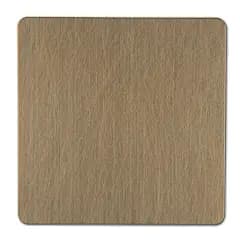
Transforming stainless steel into a copper hue involves several techniques, each with its own advantages and limitations. Let’s look at the main options: chemical patina, heat coloring, electrochemical coloring, coatings, and plating.
Chemical Patina on Stainless Steel (Copper-Look Oxidation)
Chemical patinas are popular for creating a copper-like appearance through oxidation. This process involves applying specific chemicals that react with the metal surface to produce a tarnished, copper-tone finish. It’s a cost-effective way to mimic natural copper patina, especially for decorative projects.
Common Patina Chemicals and Their Effects
- Copper sulfate: Often used for creating a greenish or blue-green patina, it can also produce a warm copper tone depending on application.
- Ferric chloride: A versatile chemical that produces a rich, dark copper or brownish finish. It’s common in metal patination for its predictable results.
Step-by-Step Chemical Patina Workflow + Safety Basics
- Surface prep: Clean the stainless steel thoroughly to remove oils, dirt, and oxides.
- Apply the chemical: Use a brush, spray, or immersion method to coat the surface evenly.
- Allow oxidation: Let the chemical react, which may take minutes to hours depending on desired color.
- Rinse and neutralize: Wash off excess chemicals with water, then neutralize if needed.
- Seal the finish: Apply a clear sealer to protect the patina and enhance durability.
Safety tips: Always wear PPE—gloves, goggles, and masks. Work in a well-ventilated area, especially when handling acids or chlorides. Proper disposal of chemical waste is essential to stay compliant with local regulations.
Pros and Cons of Chemical Patina
- Realism: Can produce a very authentic copper look.
- Control: Moderate; color can vary with application and chemical strength.
- Durability: Less durable than coatings or plating unless sealed properly.
- Repeatability: Good, but slight variations can occur between batches.
Heat Coloring Stainless Steel to a Copper Hue
Heating stainless steel with a torch or in a furnace can produce a copper-like color through controlled oxidation. This method is popular for artistic or industrial finishes.
Torch vs. Furnace Heating (Control, Consistency, Scale)
- Torch heating: Offers more control for small or detailed work but requires skill to avoid uneven coloring.
- Furnace heating: Suitable for larger batches, providing consistent results but less flexibility for intricate designs.
Temperature Ranges and Color Variations
- Around 300-400°C (572-752°F), stainless steel turns a reddish or copper hue.
- Variations are normal; factors like heating time and steel composition influence the final color.
Safety and Heat Application Tips
- Use heat-resistant gloves and eye protection.
- Avoid overheating to prevent warping or spots.
- Maintain even heat distribution to prevent uneven coloring.
Electrochemical Coloring (Electrolytic Copper Tone)
Electrochemical methods involve passing an electric current through a stainless steel piece immersed in a copper sulfate solution, depositing a thin copper layer or creating a copper-tone finish.
Equipment and Process Flow
- Equipment needed: Power supply, electrodes, electrolyte solution.
- Process: Clean the surface, connect it to the power source, and control voltage/current to deposit the copper layer evenly.
Improving Color Consistency and Durability
- Use a stable electrolyte solution.
- Maintain consistent voltage and current.
- Follow up with sealing or coating for better wear resistance.
Copper-Colored Coatings and Paints for Metal
- Copper spray paint: Easy and quick but less durable.
- Powder coating: Longer-lasting, suitable for outdoor use.
- Thin film coatings: Provide a durable, metallic finish that mimics real copper.
Clear Coats and Sealers
Applying a clear lacquer or sealer helps prevent fading or rubbing off, especially important for indoor or high-touch areas. Regular maintenance extends the finish’s lifespan.
Metal Plating and Cladding for a Real Copper Surface
- Copper plating: Adds a true copper layer, providing authenticity and durability.
- PVD copper coating: A thin, decorative film with excellent wear resistance, ideal for high-end applications.
When to Choose Plating or Cladding Over Patina or Paint
Plating or cladding makes sense when you need a genuine copper surface with high durability, such as in architectural or industrial settings. DIY projects often opt for patinas or coatings due to lower cost and complexity.
By understanding these methods, you can select the best approach for turning stainless steel into a stunning copper-colored finish that fits your project’s needs.
Step-by-Step: Best Practices for Applying a Copper Finish on Stainless Steel
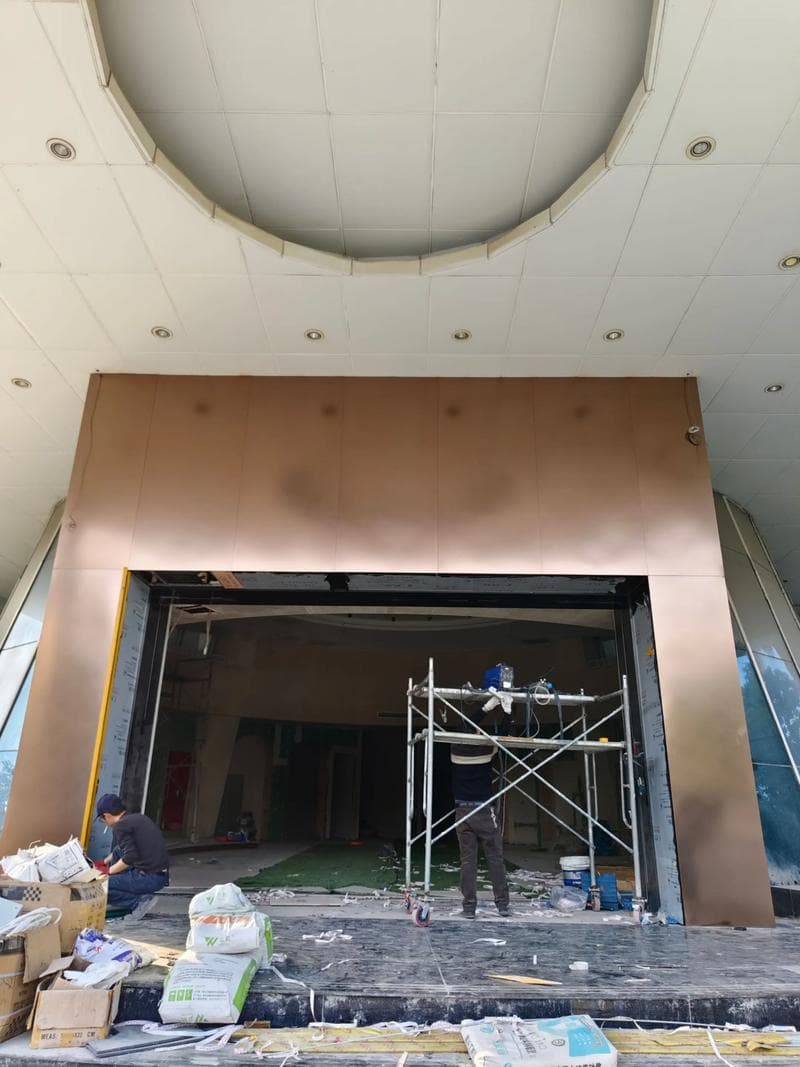
Surface preparation
Getting a good copper-colored finish on stainless steel starts with proper surface prep. First, clean the surface thoroughly to remove grease, oils, and dirt. You can use a degreasing solution or alcohol-based cleaner. Next, remove any existing oxides or rust—this is crucial for good adhesion—by sanding or scuffing the surface with fine-grit sandpaper. Polishing can help achieve a smooth, even base, especially if you’re aiming for a more uniform look. Proper prep ensures the chemical patina, heat coloring, or coating will stick well and look even.
Masking and handling tips
To prevent fingerprints, blotches, or uneven spots, mask off areas you don’t want to color or heat. Use painter’s tape or specialized masking tape, and handle the stainless steel with gloves to avoid transferring oils. When applying finishes, work in a clean, dust-free environment for the best results. This helps keep the copper-tone consistent and professional-looking.
Application steps by method
Different methods require specific steps:
- Chemical patina: Apply copper sulfate or ferric chloride with a brush or spray, then rinse and dry.
- Heat coloring: Use a torch or furnace to heat the stainless steel to specific temperature ranges, watching for color changes.
- Electrochemical coloring: Submerge the steel in an electrolyte solution and apply a low voltage to achieve the copper hue.
- Coatings and paints: Spray or brush on copper spray paint, powder coating, or thin film coatings designed for metals.
Each method has its own sequence, but all demand a clean, dry surface for best results.
Drying, curing, and sealing
Once applied, allow the finish to dry completely. For chemical or heat treatments, curing times vary—some require heating or air drying for several hours or days. Sealing with a clear lacquer or protective topcoat helps lock in the copper color, especially for outdoor use or high-touch areas. Fully cured means the coating or patina has hardened and bonded well, providing durability and resistance to wear.
Troubleshooting common issues
If you notice uneven color, peeling, or weak adhesion, revisit your surface prep steps—often, poor cleaning or oxide removal is the culprit. For corrosion spots or streaks, check your application technique and ensure proper sealing. Blotches or blotchy color can result from uneven heat or chemical application, so apply in consistent layers and conditions. Regular maintenance and re-sealing can help keep your copper-colored stainless steel looking vibrant over time.
Durability and Maintenance of Copper-Colored Stainless Steel
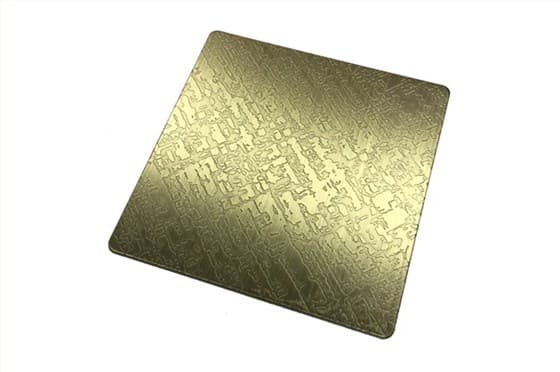
Achieving a long-lasting copper-colored stainless steel finish depends on several factors, mainly the quality of the topcoat, the environment it’s exposed to, and how often it experiences abrasion. A durable finish needs a strong protective layer that can withstand daily wear, weather conditions, and cleaning routines. Proper surface preparation before applying any coating or patina is also crucial to ensure the finish adheres well and stays vibrant over time.
Best Protective Sealants and Coatings for Longevity
For indoor applications, clear sealants like acrylic or polyurethane coatings work well to preserve the copper hue and prevent oxidation or discoloration. Outdoor projects, however, benefit from more robust coatings such as PVD copper coatings or specialized outdoor sealants that resist UV rays, moisture, and temperature swings. These protective layers help maintain the finish’s appearance and prevent corrosion, extending the life of your copper-colored stainless steel surface. You can explore options like metallic coatings for stainless steel to find the best fit for your project.
Cleaning Do’s and Don’ts
To keep your copper-colored stainless steel looking its best, gentle cleaning is key. Use soft cloths and mild soap or specialized metal cleaners to avoid scratching or dulling the finish. Avoid harsh chemicals, abrasive pads, or metal brushes that can strip away the protective layer or damage the surface. Regular dusting and light cleaning will help preserve the sheen, while avoiding excessive scrubbing prevents unnecessary wear. When cleaning, always follow the manufacturer’s recommendations for the specific coating or patina used, as some finishes may require special care to prevent chemical damage.
When to Re-seal, Touch Up, or Redo the Finish
Over time, even the best finishes may need re-sealing or touch-ups. If you notice signs of fading, peeling, or corrosion spots, it’s time to reapply a protective sealant or consider a touch-up with matching paint or coating. For more significant damage or when the finish has become uneven, a full redo might be necessary. Regular inspections will help you catch issues early, ensuring your copper-colored stainless steel stays beautiful and durable for years to come. Proper maintenance routines are essential to keep the finish looking fresh and to prolong its lifespan.
Safety Considerations (Don’t Skip This)
Handling chemicals and heat when turning stainless steel into a copper color requires careful attention to safety. Always use proper PPE—gloves, goggles, and masks—to protect your skin and eyes from harmful substances like acids, solvents, or fumes. Working in a well-ventilated area is essential, especially when using chemical patinas or heating methods, to avoid inhaling dangerous fumes. For chemical oxidation or electrochemical coloring, ensure your workspace has good airflow and fume extraction systems.
When applying heat, whether with a torch or in a furnace, be cautious of burns and fire hazards. Hot metal can cause serious injuries, so always handle heated stainless steel with tongs or heat-resistant gloves, and keep a fire extinguisher nearby. Avoid overheating to prevent warping, spotting, or uneven coloring.
Disposing of chemical waste properly is just as important as the application process. Follow local regulations for disposing of acids, copper sulfate, ferric chloride, or any other chemicals used. Proper disposal not only keeps you safe but also helps protect the environment. For detailed guidance on chemical handling and waste disposal, check out our metal surface color treatment services, which emphasize safety and compliance.
Why Choose Xinye Metal for Copper-Color Stainless Steel Finishing

At Xinye Metal, we offer professional-grade solutions for turning stainless steel into a stunning copper color. Whether you’re a DIY enthusiast or need large-scale industrial finishes, we support all project sizes with expert guidance. Our team provides tailored advice to ensure you get the perfect copper patina or heat-colored hue that matches your design needs.
We also excel in delivering custom copper-tone matching with consistent, repeatable results. This means your project will look uniform every time, whether it’s a small decorative piece or a large architectural installation. For bulk orders, we offer comprehensive consultation to help you choose the best method—balancing cost, durability, and lead time—so your project stays on track.
Partnering with Xinye Metal means reliable quality, expert support, and solutions designed to meet your specific requirements for metal surface color treatment. If you’re aiming for a durable, realistic copper finish on stainless steel, we’re your go-to source.