
Industrial Coloring Methods

When we look at how to color stainless steel for high-end architectural and commercial projects, we rely on precise, industrial-grade techniques. These methods guarantee consistency, durability, and a flawless finish for both large-scale manufacturing and custom metal fabrication.
PVD Coating Process
Physical Vapor Deposition (PVD) is our gold standard for coloring stainless steel. Inside advanced vacuum chambers, we utilize titanium ion plating to bond color directly to the metal surface at a molecular level.
- Durability: Offers unmatched scratch resistance and exceptional UV stability, ensuring the color will not fade over time.
- Popular PVD Colors: Rose gold, champagne, black, and sapphire.
Chemical Oxidation Coloring
To achieve a vintage or distressed aesthetic, we turn to chemical oxidation. By carefully managing controlled chemical reactions on the steel’s surface, we develop deep, layered textures.
- Target Aesthetics: Perfect for creating an antique bronze finish, aged copper, and weathered brass looks.
- Application: Ideal for decorative stainless steel sheets requiring a classic, time-worn appearance.
Electrochemical Coloring
This technique involves growing a transparent chrome-oxide film directly on the surface of the steel. The visual result relies entirely on a metal interference film rather than applied dyes or paints.
- The Science: The relationship between the film thickness and the color spectrum is absolute. As we precisely adjust the thickness of the transparent layer, light refracts differently, producing a wide array of vibrant, permanent colors.
Laser Coloring
For intricate patterns, custom logos, and highly detailed architectural metal treatments, laser coloring provides ultimate control.
- Precision Heat Control: We use focused laser energy to alter the surface structure of the steel at a microscopic level. This generates permanent, highly defined colored markings without compromising the underlying strength or corrosion resistance of the metal.
DIY & Hobbyist Methods: At-Home Techniques
When I discuss how to color stainless steel, I often see hobbyists and artists turning to accessible at-home methods. While these techniques work well for small, one-off pieces, they differ significantly from commercial manufacturing standards.
Heat Tinting
Applying direct heat alters the surface oxide layer, creating unique and vibrant colors.
- The Process: Using a blowtorch or kiln to heat the metal evenly.
- The Results: Depending on the specific heat tinting temperatures, the steel shifts through a spectrum of straw-gold, blue, purple, and “rainbow” hues.
- Best For: Small sculptures, custom automotive parts, and jewelry.
Chemical Patinas
For those looking to create an aged or weathered look, chemical treatments are a common DIY choice.
- The Process: Applying specialized acid mixtures directly to the metal surface.
- The Results: Creates dark, rustic, or oxidized finishes perfect for small-scale art projects.
- Safety Note: This method requires careful handling of hazardous chemicals and thorough neutralization to stop the reaction.
Pros and Cons: DIY vs. Industrial
At-home methods offer creative freedom but fall short for architectural or commercial applications.
- Inconsistency: Heat tinting and DIY patinas are nearly impossible to replicate perfectly across multiple pieces.
- Durability: DIY finishes easily scratch or fade compared to the industrial PVD coating process.
- The Verdict: For reliable, uniform results on large projects, sourcing professionally manufactured stainless steel etched colored sheets guarantees the durability and precise color matching that at-home methods simply cannot provide.
Comparing Durability: Which Method Lasts Longest?
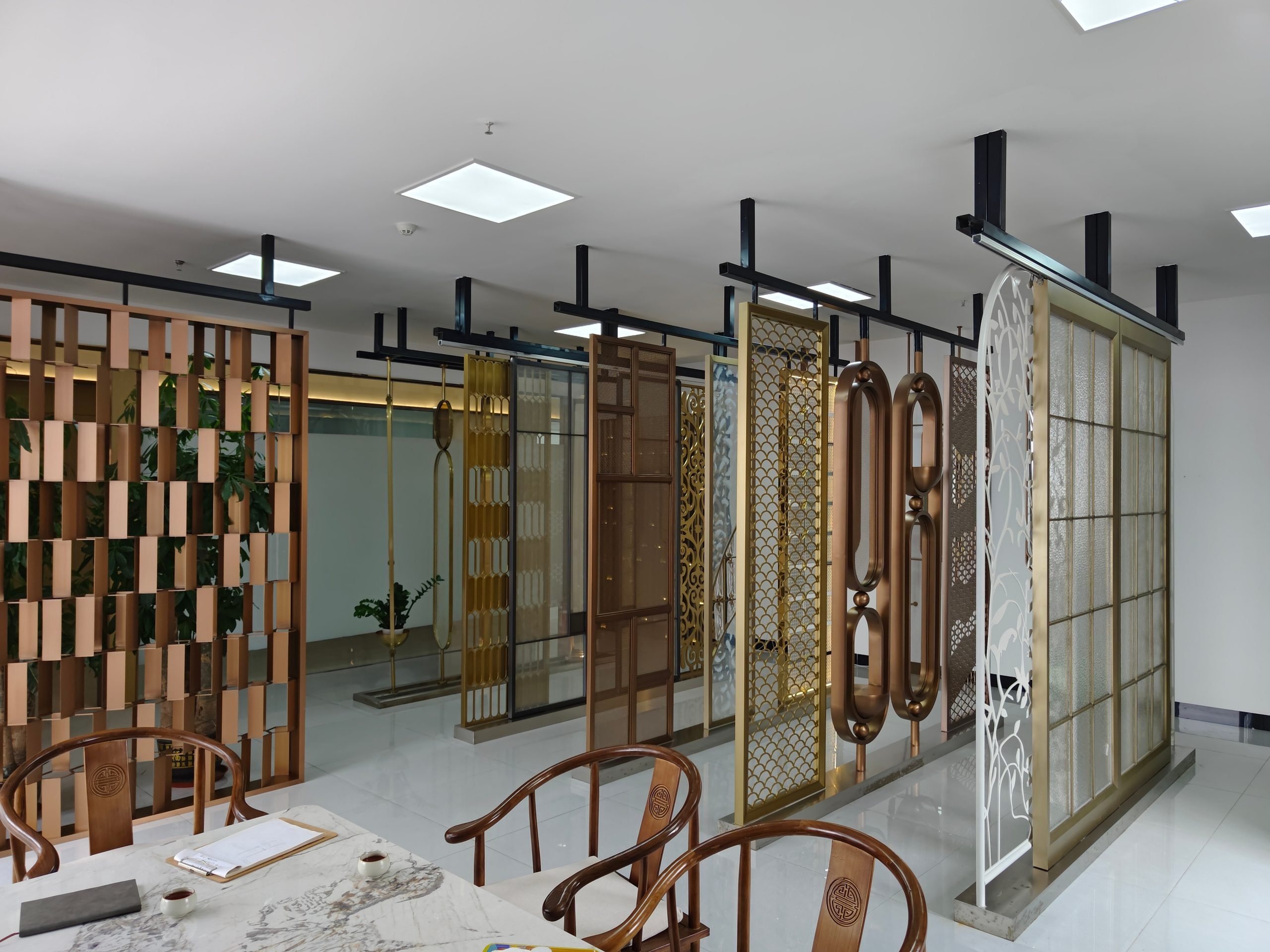
When exploring how to color stainless steel, durability dictates the best method for your project. Understanding how these finishes hold up against daily wear and tear is crucial for long-term performance.
PVD vs. Powder Coating vs. Painting
Different coloring techniques yield vastly different lifespans. Here is how the standard methods compare:
- PVD Coating: The PVD coating process bonds color at the atomic level. It will not peel, flake, or fade, offering the highest scratch resistance available. For demanding environments, options like our black stainless steel sheets provide a permanent, hard-wearing surface that withstands heavy use.
- Powder Coating: Thicker than standard paint and highly durable, but it essentially sits on top of the metal. It can chip or peel under heavy impact.
- Painting: The least durable option. Surface paint easily scratches and degrades over time, eventually exposing the raw metal underneath.
Corrosion Resistance of Colored Steel
A common concern is whether the coloring process ruins the metal’s natural rust defense. High-quality coloring methods do not compromise the material. Whether you select 304 or 316 grade decorative steel, industrial treatments maintain the vital chromium oxide layer. In fact, the corrosion resistance of colored steel often improves with vacuum ion treatments, as the added layer further seals the surface against moisture and oxidation.
Maintenance and Anti-Fingerprint Nano-Coating
Keeping colored metal looking pristine requires minimal effort when treated correctly. We utilize an advanced anti-fingerprint nano-coating that repels oils, water, and daily smudges. This invisible protective barrier ensures that textured surfaces, such as a premium brushed stainless steel plate, wipe clean instantly. Routine maintenance simply requires a soft cloth, eliminating the need for harsh chemicals or heavy scrubbing.
Design Applications: Where to Use Colored Stainless Steel
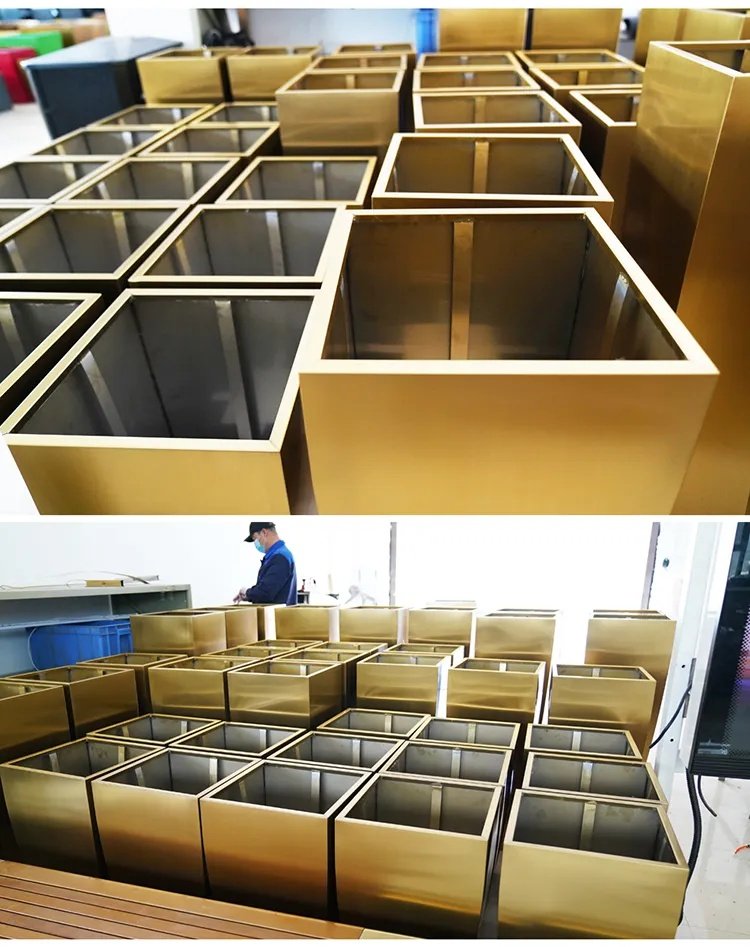
Understanding how to color stainless steel opens up a world of design possibilities. We see these vibrant, durable metals transforming everyday spaces into high-end environments. Because the coloring process bonds deeply with the metal through advanced stainless steel surface treatment methods, it performs exceptionally well across various demanding industries.
Here is where colored stainless steel truly shines:
- Luxury Interiors: Designers rely on decorative stainless steel sheets for custom cabinetry, elevator cabs, and statement wall cladding. Combining rich PVD colors with textured stainless steel water ripple sheets creates stunning, dynamic light reflections in premium residential and commercial spaces.
- Architectural Facades: For large-scale exterior panels, colored steel easily withstands harsh weather elements. These architectural metal treatments maintain their brilliance against UV rays, wind, and rain, making them a top choice for modern building exteriors.
- Retail & Hospitality: High-traffic areas like hotel lobbies, luxury boutiques, and busy restaurants require materials that balance aesthetic beauty with industrial durability. Colored steel resists daily wear and tear while maintaining a pristine, upscale look.
- Furniture & Hardware: Precision custom metal fabrication allows us to match colored steel perfectly with bespoke joinery. From sleek table bases to custom door hardware and fixtures, the material integrates seamlessly into high-end furniture design.
Technical Selection Guide: Choosing the Right Finish
When planning how to color stainless steel, the underlying material and texture dictate the final result. We always evaluate the base finish, environmental conditions, and specific design requirements before applying any color treatment.
Base Textures and Color Perception
The base texture you select dramatically changes how the final color reflects light. Different stainless steel surface finishes interact with color coatings in unique ways:
- Mirror (8K): Produces a highly reflective, vibrant, and glossy color.
- Brushed (Hairline): Creates a muted, sophisticated metallic sheen that diffuses light. Applying color over a brushed stainless steel plate is ideal for hiding minor scratches in high-traffic areas.
- Embossed: Adds physical depth. Using stainless steel embossed sheets as a base creates dynamic, multi-tonal effects as light hits the raised patterns.
Environmental Factors: 304 vs. 316 Grade
Selecting the correct 304/316 grade decorative steel is non-negotiable for long-term durability. The coloring process does not replace the inherent corrosion resistance of the base metal.
| Steel Grade | Primary Use Case | Environmental Suitability |
|---|---|---|
| 304 Grade | Interior decorative panels, furniture, retail fixtures | Dry, climate-controlled, standard indoor environments |
| 316 Grade | Exterior architectural facades, marine applications | High moisture, coastal areas, heavy pollution |
Color Matching for CAD and Mood Boards
Matching physical decorative stainless steel sheets to your digital CAD specifications or project mood boards requires precise control. Because the PVD coating process and underlying metal grain alter the perceived hue, digital colors rarely translate perfectly without physical testing. We always recommend producing a physical sample on the exact base texture you plan to use. This ensures the custom metal fabrication aligns perfectly with your original design intent.