
If you’re in the market for durable, stylish partitions that truly stand the test of time, understanding the benefits of stainless steel partitions versus aluminum alloy options is crucial. Whether you’re an architect designing a sleek office, a contractor managing a commercial build, or a homeowner seeking both function and flair, choosing the right material impacts everything from corrosion resistance to long-term maintenance costs. This isn’t just about picking metal—it’s about investing in reliability, hygiene, and aesthetic appeal that fits your space perfectly. Ready to uncover why stainless steel often outshines aluminum alloy and how to make the best choice for your project? Let’s dive in!
Understanding Stainless Steel Partitions
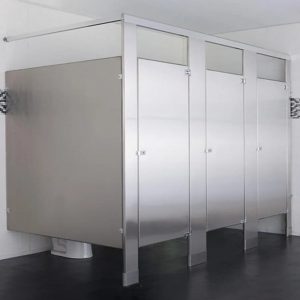
Stainless steel partitions are durable metal partitions widely used as office space dividers, bathroom stall partitions, and commercial toilet partitions. They are primarily made from high-quality stainless steel grades like 304 and 316, which offer excellent corrosion resistance and strength. Grade 304 is commonly used for general environments, while grade 316 provides enhanced resistance to moisture and harsh chemicals, making it perfect for humid or wet areas.
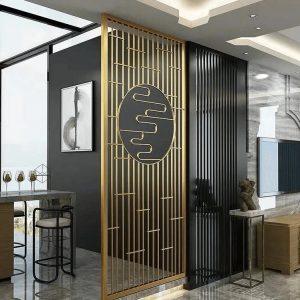
Manufacturing involves precision fabrication techniques to ensure structural stability and sleek edges. These partitions come in various finishes such as brushed, mirror, satin, and textured surfaces. This variety allows customization to match any interior style, from modern interior partitions in commercial buildings to elegant dividers in luxury residential projects. Custom stainless steel screens can also be tailored for size, design, and integration with other materials like glass.
In , stainless steel room dividers offer a versatile solution suitable for both commercial and residential settings. Their customizable finishes and robust composition meet practical needs while enhancing aesthetic appeal.
Key Benefits of Stainless Steel Partitions
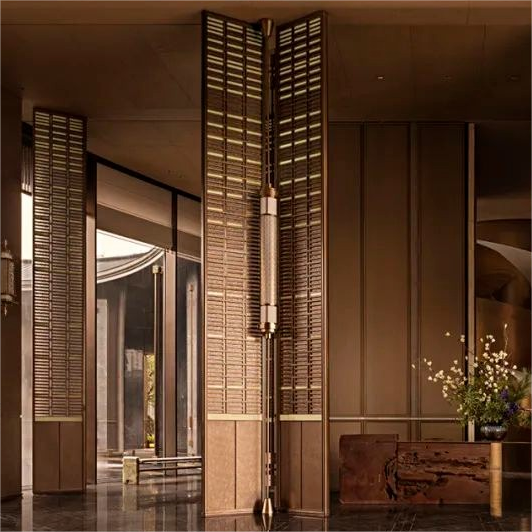
Stainless steel partitions offer a range of advantages that make them ideal for both commercial and residential spaces:
Exceptional Durability & Impact Resistance
Built to withstand heavy use, these durable metal partitions hold up well in high-traffic areas like offices and public restrooms, reducing damage from bumps or knocks.
Superior Corrosion and Rust Resistance
Perfect for humid or wet environments such as bathrooms and kitchens, stainless steel resists rust and corrosion better than many materials, ensuring long-lasting performance.
Low Maintenance & Easy Cleaning
Their non-porous, hygienic surfaces prevent bacteria buildup and stains, making them easy to clean with simple maintenance. This is why stainless steel room dividers are popular in hygienic restroom dividers and commercial toilet partitions.
Fire Resistance & Safety Compliance
Stainless steel partitions meet fire safety standards, offering added protection in public and commercial spaces where fire resistance is crucial.
Long Lifespan & Sustainability
These partitions boast a long service life and are fully recyclable, aligning with sustainable building materials practices and reducing the need for frequent replacements.
Aesthetic Versatility
Available in brushed, mirror, satin, and textured finishes, stainless steel adds a modern, elegant appeal that enhances any interior design style.
Strength-to-Weight & Structural Stability
Despite their strength and stability, stainless steel partitions maintain reasonable weight, allowing for sturdy yet manageable installation.
| Benefits | Details | Ideal Use Cases |
|---|---|---|
| Durability & Impact Resistance | Strong metals resist dents and scratches | High-traffic office space dividers |
| Corrosion Resistance | Resistant to rust in moist conditions | Bathroom stall partitions |
| Low Maintenance | Easy to clean, hygienic surfaces | Hygienic restroom dividers |
| Fire Resistance | Meets safety codes | Commercial public spaces |
| Longevity & Sustainability | Recyclable, long-lasting materials | Sustainable building projects |
| Aesthetic Appeal | Multiple finishes for design flexibility | Modern interior partitions |
| Structural Stability | Strong yet lightweight for installation ease | All applications |
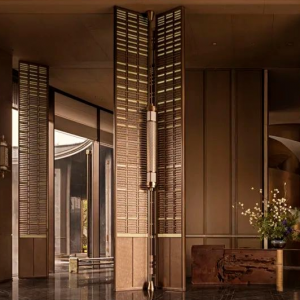
For examples of stainless steel partitions used in sophisticated commercial spaces, check out Xinye Metal’s successful projects highlighting durability and sleek design in action.
Aluminum Alloy Partitions: An Overview
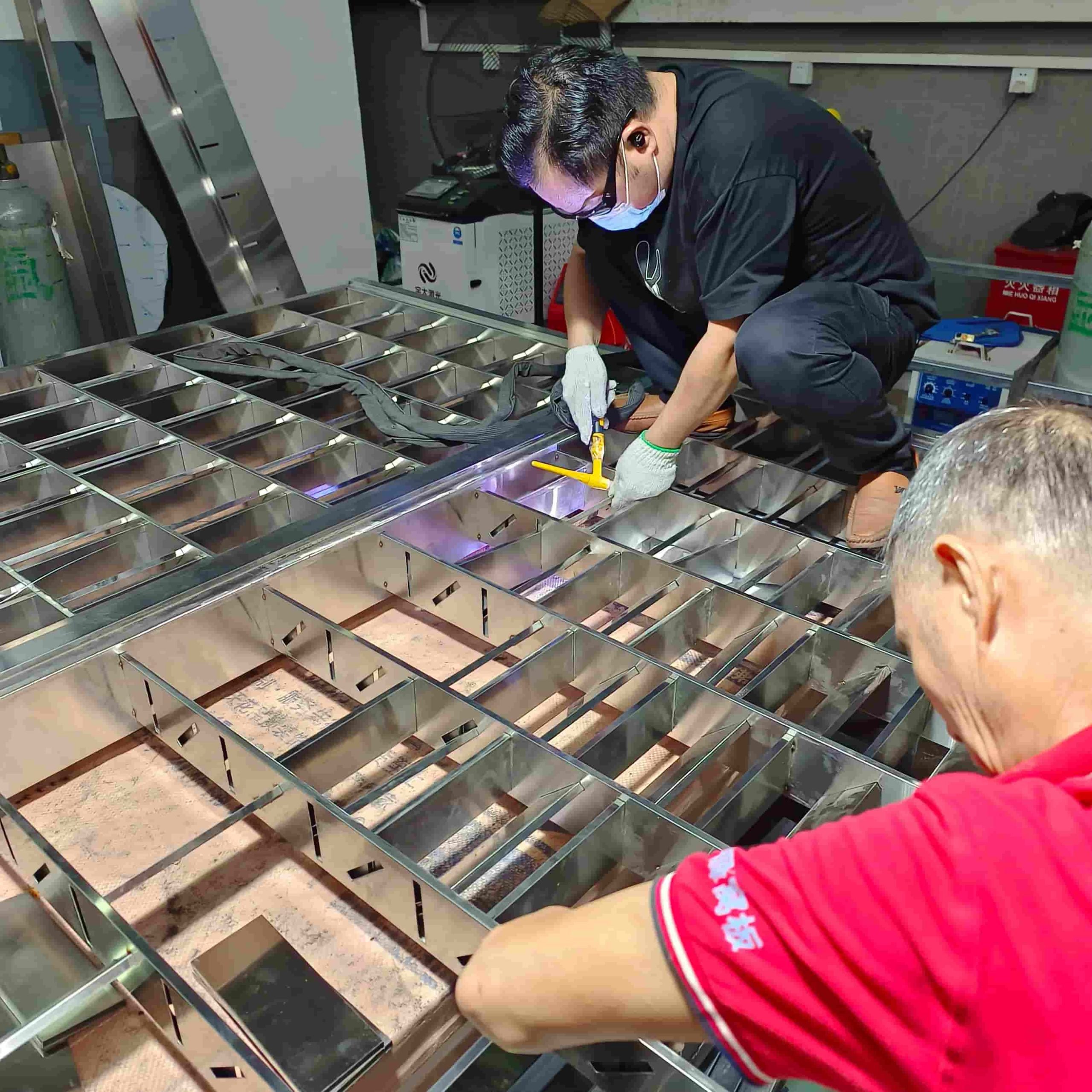
Aluminum alloy partitions are made from lightweight yet sturdy metal blends, offering a practical solution for space division. They’re known for being easy to handle and install, which makes them a popular choice in many commercial and residential settings where quick setup is important.
Composition and Lightweight Properties
Aluminum alloys combine aluminum with small amounts of other metals to boost strength without sacrificing lightness. This results in partitions that are less heavy than stainless steel but still provide good rigidity and stability. Their light weight simplifies transport and reduces labor costs during installation.
Common Applications
You’ll often find aluminum alloy partitions in office spaces, temporary event setups, and budget-friendly residential interiors. Their adaptability allows them to be used as office space dividers or in low-moisture areas where corrosion resistance is less critical.
Key Advantages
- Lower Initial Cost: Aluminum alloy partitions generally come at a more affordable price point than stainless steel alternatives.
- Ease of Installation: Thanks to their light weight and flexibility, they are simpler and faster to install.
- Design Flexibility: Aluminum readily accepts paints and coatings, allowing for a variety of finishes and colours to match interior design needs.
Typical Performance
In everyday use, aluminum alloy partitions perform well in dry, low-traffic environments. However, they may show signs of wear such as dents or surface scratches more easily than durable metal partitions made of stainless steel. Their corrosion resistance is adequate in normal indoor conditions but less effective in humid or harsh environments like bathrooms or industrial kitchens.
For those weighing options, aluminum alloy partitions offer a good balance of cost-effectiveness and functional performance but may fall short in longevity and maintenance ease compared to stainless steel bathroom stall partitions designed for high-traffic or moisture-prone settings.
Direct Comparison: Stainless Steel vs Aluminum Alloy Partitions
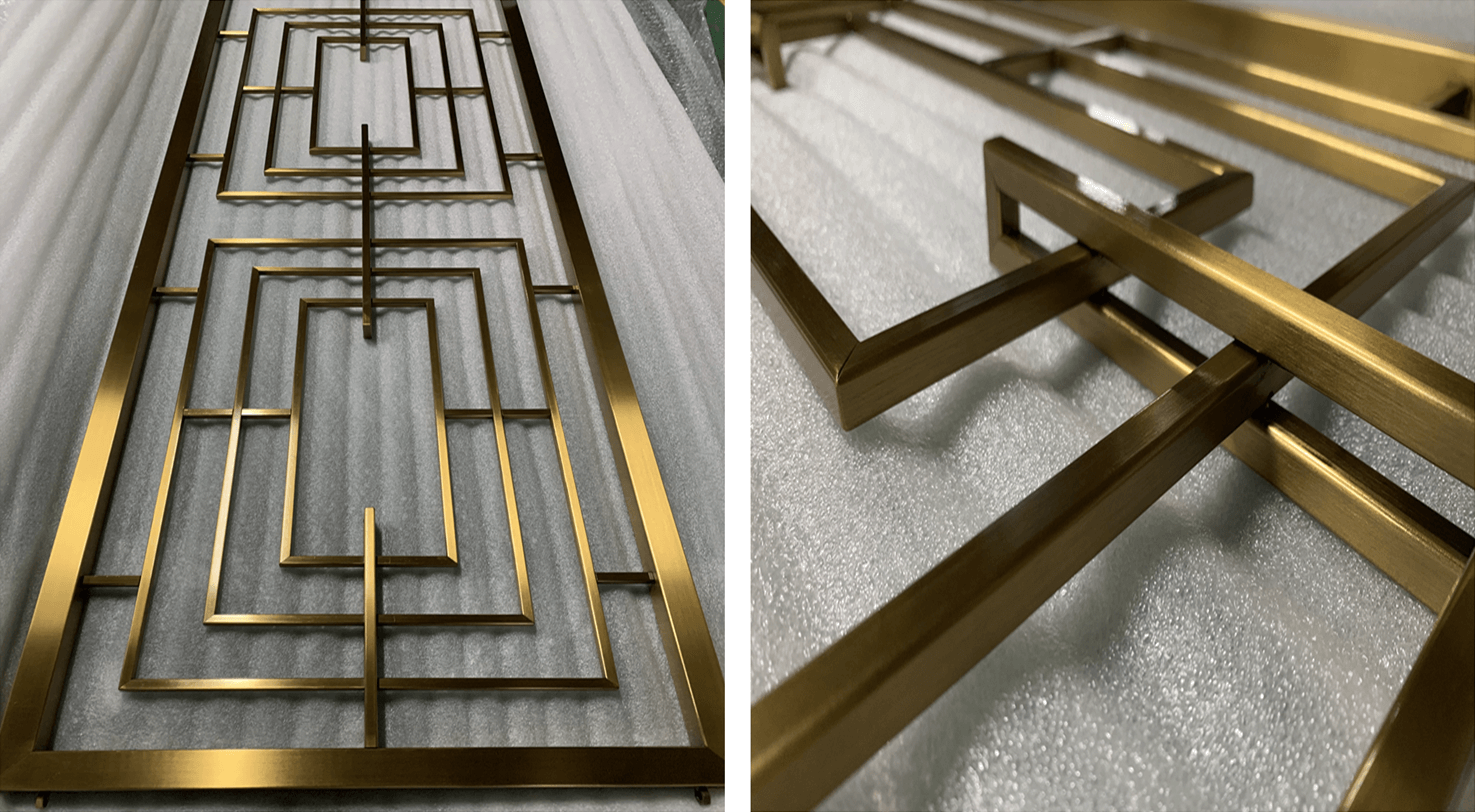
When choosing between stainless steel partitions and aluminum alloy partitions, several key factors come into play, including strength, durability, resistance to corrosion, weight, maintenance, aesthetics, and cost. Here’s a straightforward comparison to help you decide.
| Feature | Stainless Steel Partitions | Aluminum Alloy Partitions |
|---|---|---|
| Strength & Durability | High tensile strength; resists dents and scratches well; ideal for high-traffic, long-lasting use | Moderate strength; more prone to dents and scratches over time |
| Corrosion Resistance | Excellent corrosion and rust resistance; great for humid, wet, or chemical-exposed areas | Good corrosion resistance but less effective in salty or highly humid environments |
| Weight & Installation | Heavier; requires more handling care and labor during installation | Lightweight and easier to transport and install, saving time and labor costs |
| Maintenance & Lifecycle | Low maintenance; resists stains and bacteria; longer lifespan means fewer replacements | Requires more frequent upkeep; may show wear sooner, leading to quicker replacement |
| Aesthetics & Finishes | Wide variety of finishes (brushed, mirror, satin, textured); ages well with minimal fading or discoloration | Limited finish options; can fade or oxidize over time, affecting appearance |
| Heat & Fire Resistance | High fire resistance; suitable for spaces with strict safety codes | Lower fire resistance; may not meet stringent fire safety requirements |
| Cost & ROI | Higher upfront cost but better long-term value due to durability and low maintenance | Lower initial cost but potentially higher total ownership costs due to repairs and replacement |
- Stainless steel partitions offer superior strength, durability, and corrosion resistance, making them a better fit for demanding, moisture-prone, or high-use environments like commercial bathrooms, hospitals, or luxury offices.
- Aluminum alloy partitions work well for projects where weight, installation ease, and budget constraints are key, such as temporary setups or dry interior spaces.
Understanding these differences can help you choose the most appropriate durable metal partitions that balance cost, maintenance, and aesthetics for your space.
For more on the durability and finishes of stainless steel, see our detailed article on high-quality custom stainless steel partitions.
When to Choose Stainless Steel Partitions Over Aluminum Alloy
Choosing between stainless steel partitions and aluminum alloy ones depends largely on the environment and project needs. Here’s a quick guide to help you decide:
| Scenario | Best Choice | Why |
|---|---|---|
| High-traffic commercial areas | Stainless steel | Extremely durable, impact-resistant, and long-lasting under heavy use. |
| Healthcare facilities | Stainless steel | Hygienic, corrosion resistant, and easy to clean for infection control. |
| Luxury residential projects | Stainless steel | Offers elegant finishes and a modern look that enhances interiors. |
| Moisture-prone settings (bathrooms, kitchens) | Stainless steel | Superior rust resistance and non-porous surface ideal for wet areas. |
| Budget projects | Aluminum alloy | Lower upfront cost and lighter weight help save money and simplify installation. |
| Temporary setups | Aluminum alloy | Easier to install and remove; cost-effective for short-term use. |
| Dry interior spaces | Aluminum alloy | Good enough durability and finishes for less demanding environments. |
| Hybrid/complementary use | Combination | Use stainless steel where durability and hygiene are critical, aluminum alloy for less exposed sections. |
In high-traffic areas or spaces exposed to humidity, stainless steel partitions stand out for their durability and corrosion resistance. For example, healthcare settings demand hygienic and fire-resistant solutions, making stainless steel the clear winner. Similarly, luxury homes and commercial spaces benefit from the modern aesthetic and robust strength of stainless steel dividers.
On the other hand, aluminum alloy partitions are perfect when budget constraints or ease of installation are top priorities. They offer enough strength for mild to moderate conditions while cutting down costs, making them suitable for budget projects or temporary installations.
For a detailed look at stainless steel finishes that can elevate your high-end projects, check our selection of stainless steel mirror frames for luxury homes, which show the modern appeal stainless steel can bring to interiors.
By evaluating your project’s environmental demands, traffic, budget, and aesthetic needs, you can select the right partition material that balances performance and cost.
Real-World Applications and Case Examples
Stainless steel partitions shine in a variety of real-world settings thanks to their durability, hygienic properties, and modern look. In offices and workspaces, these partitions provide excellent office space dividers that enhance productivity and give employees necessary privacy without sacrificing style. For bathrooms and restrooms, hygienic restroom dividers made from stainless steel are ideal due to their corrosion resistance and easy maintenance, making them a staple in commercial toilet partitions.
In hotels, restaurants, and retail interiors, stainless steel partitions add a touch of elegance and modernity, creating premium aesthetics that customers appreciate. Residential spaces also benefit from stainless steel room dividers that blend functionality with a sleek look, turning open layouts into well-defined, practical areas.
Xinye Metal exemplifies successful applications of stainless steel partitions in their projects, demonstrating how these durable metal partitions can be customized for different environments. Their expertise in fabrication and installation ensures that each custom stainless steel screen perfectly fits client needs, whether for commercial or residential use. For a closer look at their practical implementations, exploring the Midea Real Estate Projects offers valuable insights into high-quality partition solutions in action.
Factors to Consider Before Making Your Decision
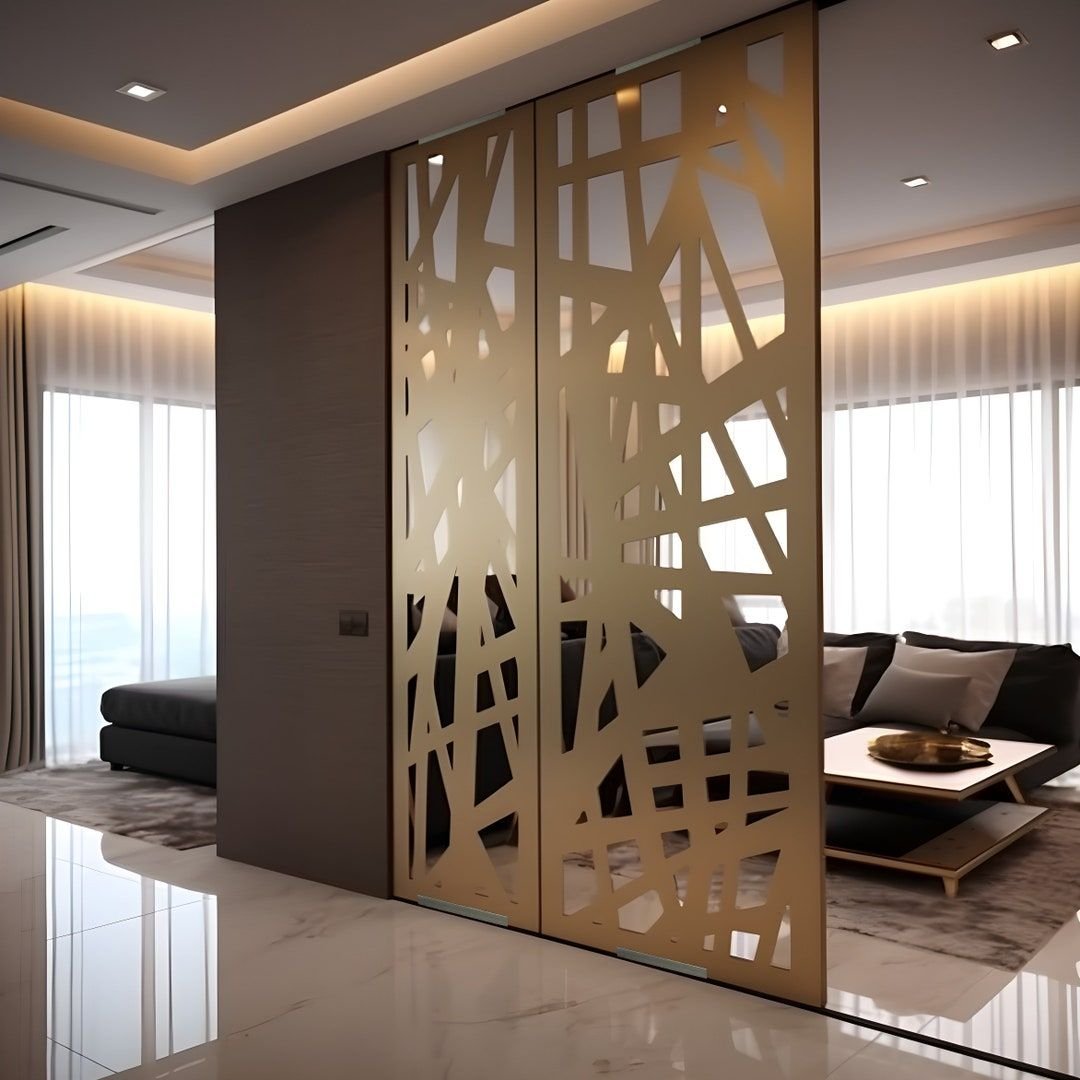
When choosing between stainless steel partitions and aluminum alloy options, several key factors should guide your decision:
Project Budget and Timeline: Consider your upfront costs versus long-term value. Stainless steel offers durability and lower replacement frequency, while aluminum alloy may fit tighter budgets and quicker installations.
Environmental Conditions: Stainless steel partitions excel in humid, corrosive, or high-traffic settings where durability and corrosion resistance matter most. Aluminum alloy may work for dry, low-impact areas.
Compliance with Building Codes and Fire Ratings: Ensure your partitions meet local fire safety standards and sustainability requirements. Stainless steel typically scores higher with fire resistance and recyclability.
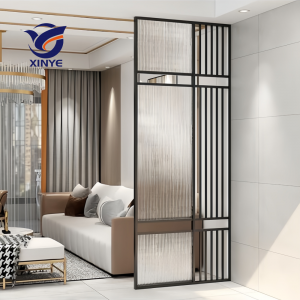
Customization Needs: Think about size, design flexibility, and integration with materials like glass or other metal finishes. Custom stainless steel screens let you achieve unique modern interior partitions that suit upscale or commercial spaces. Explore tailored solutions like custom stainless steel art glass screens for creative setups.
Professional Installation and After-Sales Support: Choosing a supplier with skilled installation and solid after-sales service ensures your partitions maintain their low maintenance and hygienic qualities over time.
By weighing these factors, you’ll find the best durable metal partitions that fit both your practical needs and aesthetic preferences.