
| Category | Process | Typical Ra (Surface Roughness) | Corrosion Impact | Cost Level |
|---|---|---|---|---|
| Mechanical | Grinding, brushing, polishing | 0.1–1.2 µm | Moderate | Low to Medium |
| Chemical | Acid pickling, passivation | 0.2–0.5 µm | High (removes contaminants) | Medium |
| Electrochemical | Electropolishing | <0.1 µm | Very High (smooth, clean) | High |
| Specialized | Coatings, blasting, coloring | Varied | Varies by treatment | Medium to High |
Understanding these categories helps select the right stainless steel finish for your project, balancing appearance, durability, and cost. Xinye Metal offers expert guidance for grades like 304 and 316, ensuring optimal surface preparation for your needs.
1. Common Mill Finishes (Standard Production-Level Treatments)
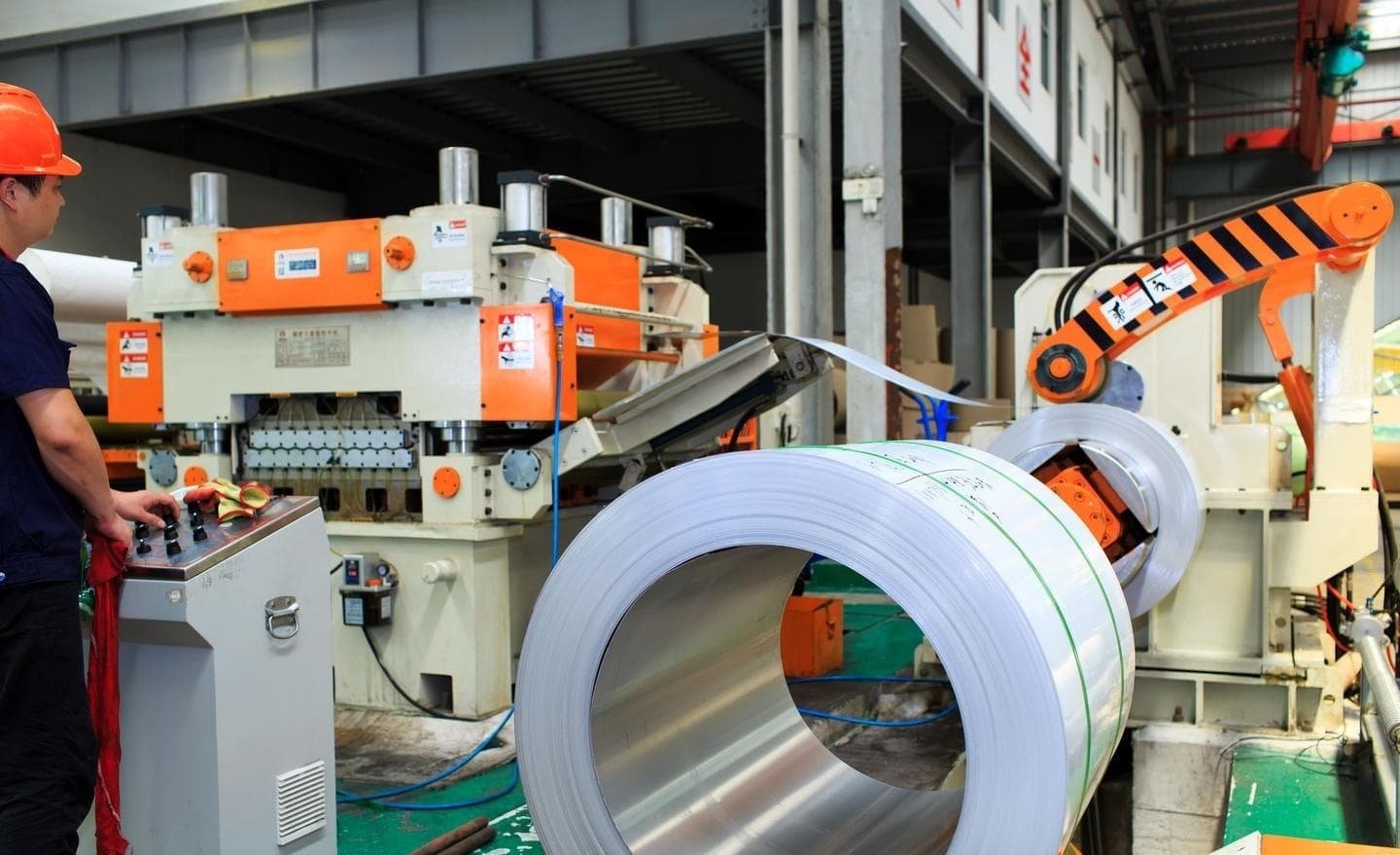
When it comes to stainless steel finishes straight from the mill, there are several standard options you’ll encounter. These common mill finishes set the foundation for further surface treatment and play a big role in appearance, corrosion resistance, and applicability.
- No. 1 Finish: This is a hot-rolled, annealed, and pickled finish. It’s quite rough with a matte texture, often used for heavier industrial applications where surface smoothness isn’t critical. Its rugged look is more about durability than aesthetics.
- No. 2D Finish: Produced by cold rolling, annealing, and pickling, this finish has a dull, uniform surface. It’s smoother than No. 1 and more consistent in appearance, making it suitable for general manufacturing where moderate corrosion resistance is needed but bright surfaces aren’t required.
- No. 2B Finish: This cold-rolled, bright finish is smooth and matte, and by far the most common general-purpose stainless steel finish. It combines low surface roughness with good corrosion resistance and is widely used in appliances, architectural applications, and processing equipment due to its balanced properties.
- Bright Annealed (2R) Finish: Achieved through annealing in a controlled atmosphere, the 2R finish is bright and reflective without any scale. It’s perfect when you need a clean, smooth surface but don’t want the mirror shine of a polished finish. This finish is common in chemical containers and food-grade equipment.
When to specify:
- Use No. 1 when durability and toughness matter more than looks.
- Choose No. 2D for moderate corrosion resistance with a uniform, non-reflective surface.
- Opt for No. 2B for cost-effective, smooth finishes suitable for most applications.
- Pick Bright Annealed (2R) when you need clean, scale-free surfaces with some shine, often in hygiene-sensitive industries.
These mill finishes set the baseline for customization and are widely selected based on the balance of cost, appearance, and corrosion performance. For projects demanding custom stainless steel solutions like decorative panels or elevator door frames, you can explore further surface treatments to match specific needs, such as those available at Xinye Metal’s product lines for stainless steel elevator door frames or decorative metal curtain walls.
2. Mechanically Polished and Brushed Stainless Steel Finishes
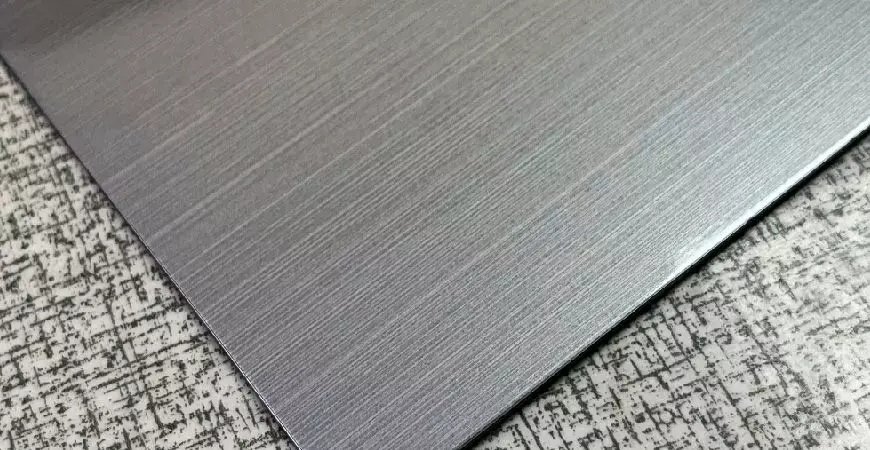
Mechanically polished and brushed finishes are some of the most popular stainless steel surface treatments, offering a range of textures and appearances suited for various applications.
- No. 3 Finish: This is a coarse polish using 100-120 grit abrasives, resulting in short, parallel lines. It’s rougher than finer finishes and often used where cost is a factor but some texture is needed.
- No. 4 Finish: The most common brushed or satin finish, produced with 150-180 grit abrasives. It features a linear grain pattern that helps hide fingerprints and minor scratches, making it ideal for general-purpose uses like kitchen appliances and architectural panels.
- No. 6 / No. 7 Finishes: These range from satin to high-luster surfaces, smoother and more reflective than No. 4 but less mirror-like than No. 8. They are often chosen for aesthetic applications requiring a refined look without too much glare.
- No. 8 Finish: Known as the mirror polish, this finish is highly reflective with a smooth, glass-like appearance. It’s used in decorative architecture, automotive trim, and high-end appliances.
Brushing Techniques
Brushing can be done using directional sanding, which creates uniform lines in one direction, or non-directional brushing, offering a more random texture. Each technique influences the final look and how easy the surface is to clean.
Buffing and Grinding Variations
Beyond brushing, buffing uses softer wheels and compounds to smooth and shine the metal, while grinding employs coarser abrasives for more aggressive surface removal and texture modulation.
Real-World Uses
These finishes appear all over the place—from sleek building facades and stainless steel kitchen equipment to food processing tools and appliance exteriors—balancing aesthetics, durability, and practicality. For insight on how such finishes integrate into high-quality construction projects, you might find our overview of custom stainless steel partitions helpful.
Mechanically polished stainless steel finishes like No. 4 brushed finish and mirror polish stainless steel remain industry standards due to their cleanability, corrosion resistance, and appealing textures suitable for both functional and decorative roles.
3. Chemical and Passivation Treatments
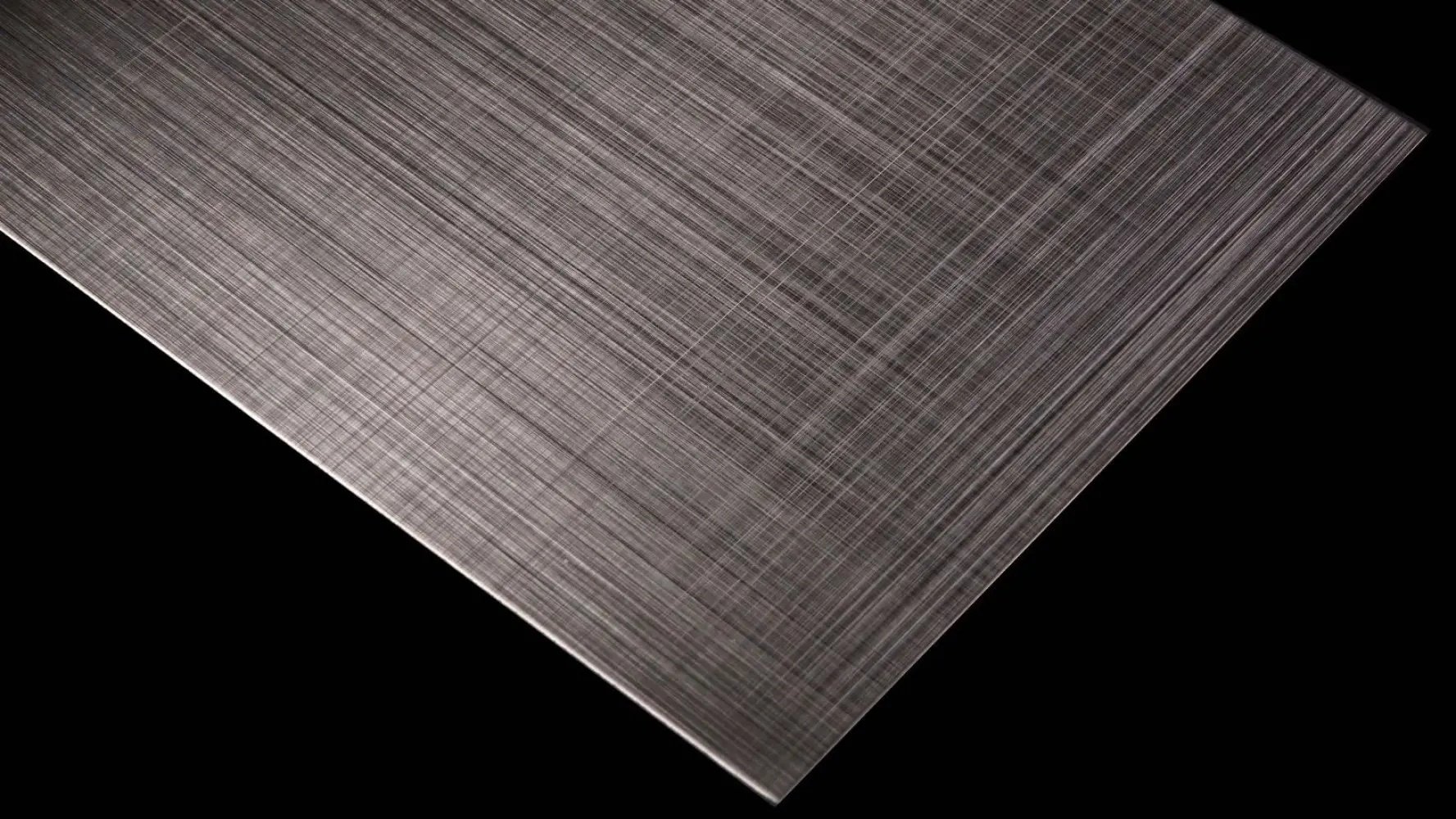
Chemical treatments are essential for cleaning and protecting stainless steel surfaces, especially after welding or machining. The two main processes are pickling and passivation.
Pickling
- Uses nitric and hydrofluoric (HF) acids.
- Removes heat tint, mill scale, and embedded iron particles.
- Leaves the surface clean but slightly rougher.
- Essential when heavy contaminants or discoloration are present.
Passivation
- Typically uses nitric or citric acid.
- Enhances the natural chromium oxide layer, boosting corrosion resistance.
- Does not remove scale or heavy deposits—focuses on surface strengthening.
- Ideal for finishing after mechanical cleaning or light contamination.
Key Differences
| Feature | Pickling | Passivation |
|---|---|---|
| Purpose | Remove scale and contaminants | Enhance chromium oxide layer |
| Chemicals Used | Nitric + HF acids | Nitric or citric acid |
| Surface Effect | Slightly rougher, cleaned | Smooth, improved corrosion resistance |
| Typical Use | Heavy scale removal | Final treatment for protection |
Standards to Follow
- ASTM A380: Cleaning and passivation practices.
- ASTM A967: Passivation requirements and methods.
Both treatments significantly improve corrosion resistance and hygiene, especially for welded or machined parts prone to surface contamination. Proper chemical treatment ensures durability in harsh environments.
For detailed guidance on surface preparation using chemical and mechanical methods, check our article on processing of stainless steel hairline surface treatment.
4. Electrochemical Treatments for Stainless Steel
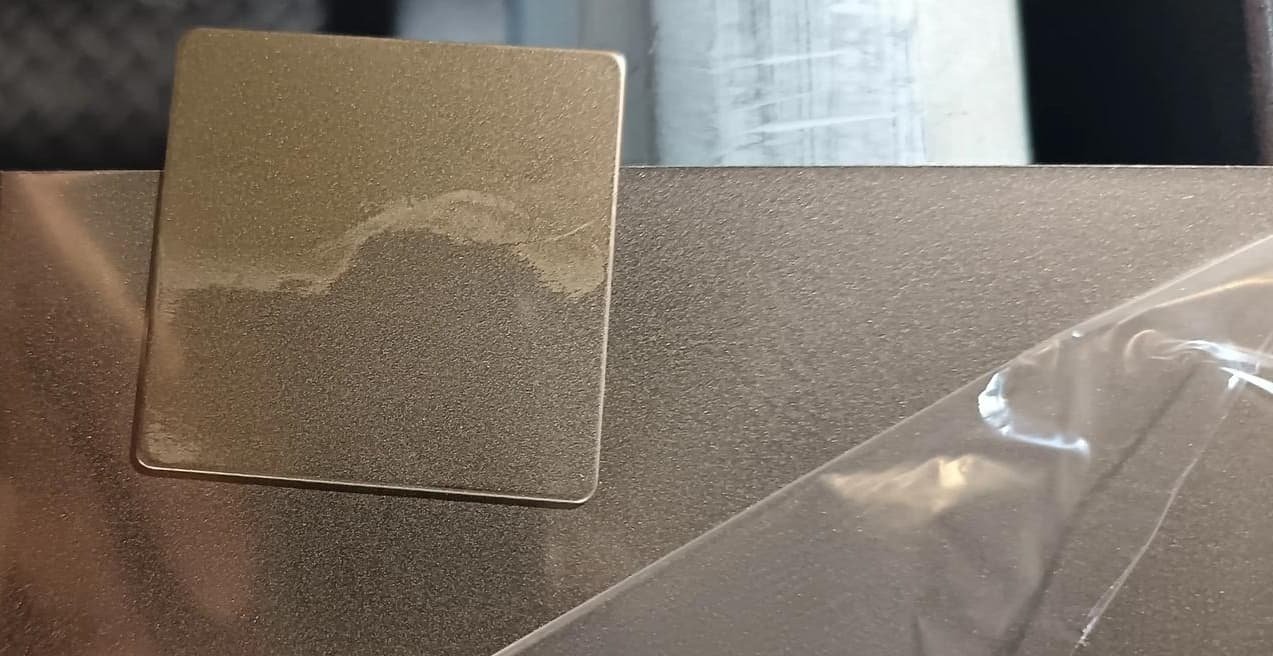
Electrochemical treatments like electropolishing take stainless steel surfaces to the next level. This process uses anodic dissolution to smooth out microscopic peaks and valleys, creating an ultra-smooth, deburred surface that’s much easier to clean and maintain. Compared to mechanical polishing, electropolishing offers superior corrosion resistance by enhancing the natural chromium oxide layer, making it ideal for pharmaceutical, food and beverage, and medical applications where hygiene is key.
Besides electropolishing, there are electrocleaning variations that further improve surface cleanliness without harsh abrasives. These treatments reduce surface roughness (Ra), helping prevent bacteria buildup and making stainless steel safer for sensitive environments. For industries requiring the highest sanitary standards, electrochemical methods outperform traditional mechanical finishes and are often recommended for critical parts.
If you’re interested in finishing options that combine both durability and cleanliness, consider how electrochemical treatments compare to standard mill finishes or brushed options. You can also find advanced stainless steel decorative trims and architectural elements that benefit from these finishes at Xinye Metal’s decorative trim collection.
5. Specialized and Decorative Surface Treatments
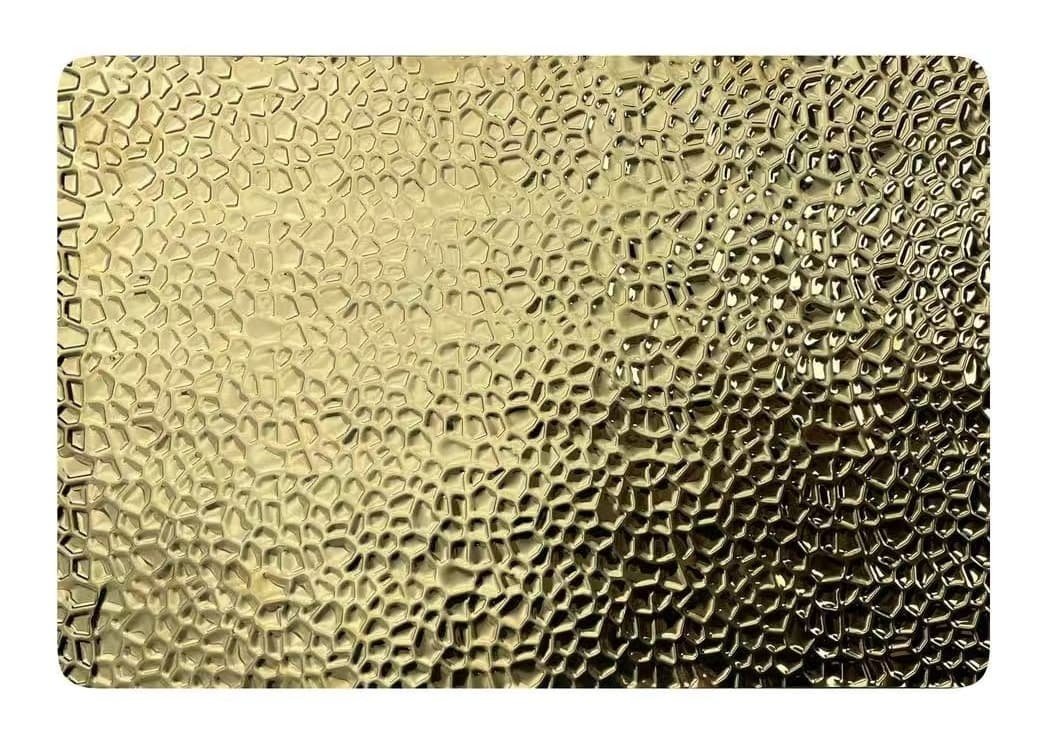
Specialized surface treatments add unique textures, colors, and protection to stainless steel beyond standard finishes. Bead blasting or sandblasting creates a matte, uniform texture by shooting fine glass or ceramic beads onto the surface, which reduces glare and hides minor imperfections. This finish is popular for architectural panels and decorative trims where a subtle, consistent look is needed.
For more design flair, patterned or embossed finishes are pressed or rolled onto the steel surface. These add depth and visual interest, often used in decorative ceiling panels or custom stainless steel decorative trims. The textures can range from simple lines to intricate patterns.
Color also plays a big role in the decorative realm. Electrolytic coloring methods like Physical Vapor Deposition (PVD) or titanium coating provide vibrant, durable colors without paint. These finishes are scratch-resistant and perfect for high-end decorative cabinets or accents.
Other options include organic coatings or powder coatings, which add a protective painted layer in various colors. Lastly, black oxide or similar protective layers offer mild corrosion resistance and a dark finish often preferred in industrial or artistic stainless steel applications.
If you’re looking for specialized decorative stainless steel products, exploring custom solutions like the stainless steel U-shaped decorative trim or decorative ceiling contractor panels can offer both functionality and style tailored to your project needs.
Factors to Consider When Choosing a Stainless Steel Surface Treatment
Choosing the right stainless steel surface treatment depends on several key factors to match your specific needs.
1. Environment:
- For corrosive or outdoor conditions, treatments that enhance corrosion resistance like electropolishing or passivation are ideal.
- Hygienic environments, such as food processing or medical, benefit from ultra-smooth surfaces like electropolished finishes to reduce bacteria buildup.
2. Aesthetic vs. Functional Needs:
- If appearance matters most, options like mirror polish or No. 4 brushed finish offer attractive, consistent looks.
- For heavy-duty or industrial use, functional finishes like bead blasting or No. 2B mill finish provide practicality with moderate appearance.
3. Cost, Maintenance, and Fabrication Impact:
- Mill finishes (No. 1, 2D, 2B) are cost-effective and easier to fabricate.
- Specialized treatments like PVD coatings or electropolishing cost more but reduce long-term maintenance.
- Consider how the surface treatment affects welding, forming, or machining.
4. Surface Roughness (Ra) and Cleanability:
- Lower Ra values (smoother surfaces) mean better cleanability and less chance for corrosion hotspots.
- Electropolished and mirror-polished surfaces typically have Ra well under 0.5 μm, suitable for strict hygiene standards.
5. Xinye Metal Recommendations:
- For common stainless grades like 304 and 316, Xinye Metal suggests:
- No. 2B mill finish for general applications with low cost and good corrosion resistance.
- No. 4 brushed finish for architectural or appliance use needing fingerprint resistance.
- Electropolishing for food-grade or pharmaceutical uses demanding top hygiene and corrosion resistance.
Selecting the right stainless steel finish balances aesthetics, functionality, environment, and budget. For specialized needs, Xinye Metal offers customized solutions including stainless steel honeycomb panels and decorative water ripple sheets to fit your project perfectly.
Explore more about our custom stainless steel reception desks and stainless steel tile trims for examples of applied surface treatments.