
The Science Behind Stainless Steel: Chemical Composition and How It Works

Stainless steel is an iron-based alloy known for its outstanding corrosion resistance. Its key ingredient is chromium, typically between 10.5% and 30%, which forms a protective chromium oxide passive layer on the surface. This invisible layer acts like a shield, preventing rust and corrosion by blocking oxygen and moisture. Remarkably, it has a self-healing property—if scratched, it rapidly reforms to keep the metal safe.
| Element | Typical Range (%) | Role in Stainless Steel |
|---|---|---|
| Chromium | 10.5 – 30 | Forms protective oxide layer (rust prevention) |
| Carbon | < 1.0 | Adds strength but kept low to avoid brittleness |
| Nickel | 0 – 35 | Improves ductility and toughness |
| Molybdenum | 0 – 7 | Enhances resistance to pitting corrosion |
| Manganese | 0 – 2.0 | Aids deoxidizing and improves hardness |
| Nitrogen | 0 – 0.5 | Boosts strength and corrosion resistance |
Compared to carbon steel, stainless steel’s higher chromium content is the main reason it resists rust far better. Carbon steel lacks this protective chromium oxide layer, making it prone to rust over time.
Key alloying elements play important roles beyond chromium:
- Nickel: Improves the alloy’s flexibility and toughness, essential in many stainless grades.
- Molybdenum: Critical for resisting pitting corrosion in harsh environments, especially in chloride-rich conditions.
In short, stainless steel’s careful chemical composition creates a metal that is strong, durable, and naturally protected against corrosion, making it ideal for a wide range of industrial and everyday uses.
Manufacturing and Fabrication of Stainless Steel
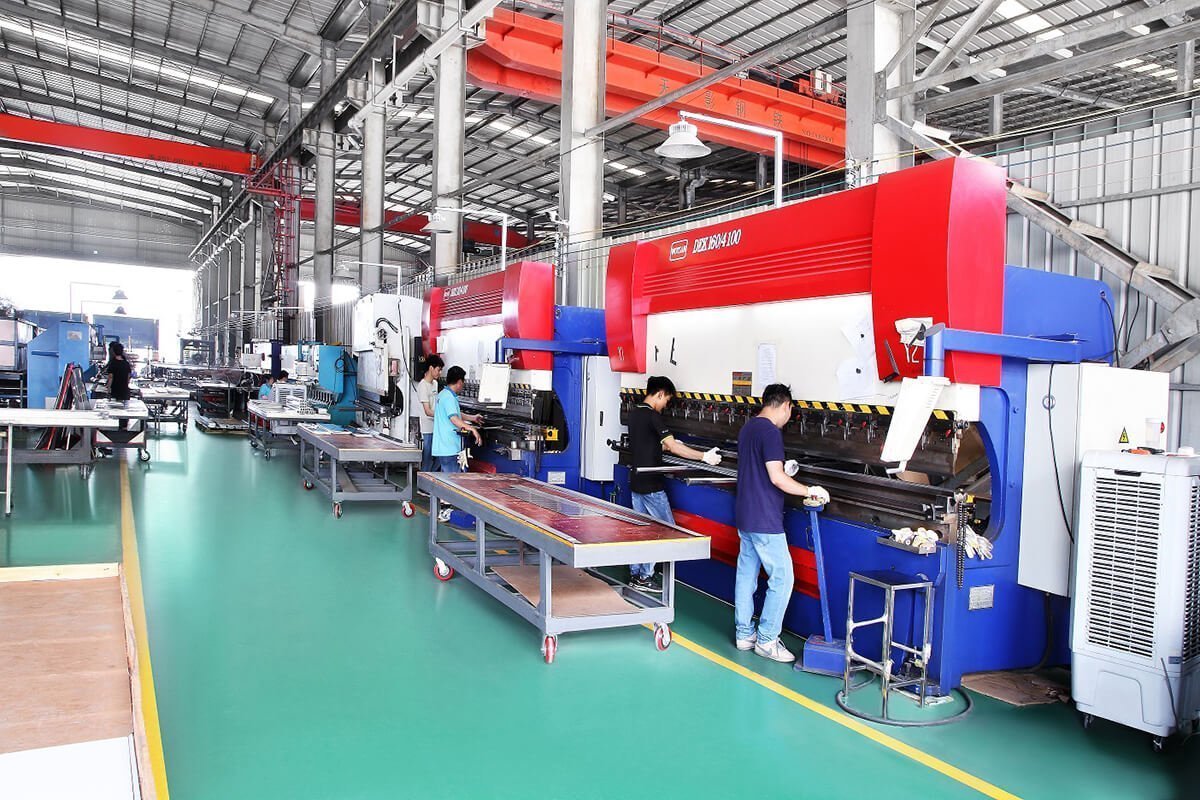
Stainless steel manufacturing starts with melting raw materials like iron, chromium, nickel, and other alloying elements in a furnace. Then, refining processes such as argon oxygen decarburization improve the steel’s purity by precisely reducing carbon content. After that, the molten metal is cast into shapes, followed by hot rolling to form sheets or plates. Annealing—controlled heating and cooling—enhances ductility and removes internal stresses. Finally, the finishing process creates various surface textures and ensures corrosion resistance.
Fabricating stainless steel involves welding, cutting, and forming techniques designed to maintain its protective chromium oxide passive layer. Specialized surface treatments, such as brushing or polishing, keep corrosion resistance intact while enhancing appearance. Quality control is critical throughout, with thorough inspections and tests ensuring the final product meets stringent standards. Sustainable practices like energy-efficient production and recycled material use also play a big role in modern stainless steel manufacturing.
Xinye Metal excels in reliable stainless steel fabrication and supply. Their expertise supports global demand with consistent quality and timely delivery, whether it’s for architectural panels, industrial components, or precision metal trims. For specific surface treatment needs, Xinye Metal provides expert processing of stainless steel hairline surface finishes, offering durable and attractive solutions for diverse applications.
For more details, you can explore Xinye Metal’s stainless steel tile trim manufacturer and corrugated stainless steel metal sheets, both examples of their versatile product range crafted with precision and care.
Key Properties and Benefits of Stainless Steel
Stainless steel is widely valued for its outstanding properties that suit many industries worldwide. Here’s a quick rundown of what makes it stand out:
| Property | Benefit |
|---|---|
| Corrosion and oxidation resistance | Resists rust and staining thanks to its chromium oxide passive layer, ideal for harsh environments. |
| Strength-to-weight ratio and durability | Offers great durability without heavy weight, perfect for structures needing strength and lightness. |
| Heat resistance and formability | Can handle high temperatures and easily formed into shapes for diverse uses. |
| Surface finishes | Available in brushed, polished, and matte finishes, meeting aesthetic and functional needs. |
| Hygiene and easy cleaning | Non-porous surface prevents bacteria buildup, making it a top choice for medical and food processing. |
| Fully recyclable with no quality loss | 100% recyclable, supporting sustainability without degrading quality over time. |
| Cost savings via low maintenance | Requires minimal upkeep compared to carbon steel, lowering long-term costs. |
Limitations to Consider
- Sensitization: Prolonged exposure to certain temperatures can reduce corrosion resistance if not properly managed.
- Initial cost: Generally pricier than carbon steel, but cost-effective over the product’s lifecycle due to durability and low maintenance.
Understanding these key properties helps businesses and individuals choose stainless steel intelligently, balancing upfront investment with long-term returns. For those interested in how fabrication methods preserve these benefits, exploring expert guides on the stainless steel fabrication process can offer practical insights.
Types and Grades of Stainless Steel: Finding the Right One
Stainless steel comes in various types and grades, each designed to meet specific needs depending on corrosion resistance, strength, magnetic properties, and applications.
Austenitic stainless steel is the most common type, known for being non-magnetic and offering excellent corrosion resistance. The 300 series, especially grades 304 and 316, are widely used in food processing, medical equipment, and architectural projects due to their durability and hygienic properties. Grade 316, with added molybdenum, provides better resistance to pitting, especially in marine environments.
Ferritic stainless steel is magnetic and provides good oxidation resistance at a lower cost. It’s commonly found in automotive parts and household appliances where moderate corrosion resistance and strength are required.
Martensitic stainless steel is valued for its high hardness and strength but has lower corrosion resistance. This makes it ideal for cutlery, turbine blades, and other applications demanding toughness.
Duplex stainless steel combines the benefits of austenitic and ferritic types, offering superior strength and resistance to stress corrosion cracking. It’s often used in chemical processing and oil and gas industries where both toughness and corrosion resistance are critical.
Precipitation-hardening stainless steel achieves high strength and corrosion resistance through heat treatment, frequently used in aerospace applications.
When comparing grades, 304 stainless steel is more affordable and widely used, but 316 offers enhanced corrosion resistance due to its higher nickel and molybdenum content. Choosing the right grade depends on your specific application’s environmental conditions and mechanical requirements.
Xinye Metal provides an extensive supply of stainless steel grades, helping you select the ideal alloy whether you need food-grade austenitic sheets or robust duplex stainless steel plates. Their reliable fabrication and supply ensure you get quality materials tailored for your project. For example, their rainbow stainless steel metal sheets showcase specialty grades with unique finishes suitable for both functional and decorative uses.
Surface Finishes, Maintenance, and Real-World Applications of Stainless Steel
Stainless steel offers a variety of surface finishes tailored to different needs and aesthetics. Common finishes include:
- Mill finish: The basic finish as it comes from the mill, typically matte and slightly rough.
- Brushed finish: Created by polishing the surface with an abrasive, giving a textured, linear grain look.
- Mirror-polished finish: Highly reflective and smooth, offering an attractive, shiny appearance.
- Special coatings: Applied to add extra corrosion resistance or aesthetic qualities without compromising the protective chromium oxide passive layer.
To maintain stainless steel’s corrosion resistance, it’s essential to protect its chromium oxide passive layer. Here are some simple maintenance tips:
- Regular cleaning with mild detergents to remove contaminants.
- Avoid using harsh chemicals or abrasive tools that can scratch or damage the surface.
- Rinse thoroughly and dry the surface to prevent water spots and stains.
- Address scratches promptly to allow the passive layer to self-heal and prevent rust.
Stainless steel’s durability and surface versatility make it ideal across many industries:
- Architecture: Used in façades, handrails, and roofing for its corrosion resistance and aesthetic appeal.
- Automotive: Applied in exhaust systems, trim, and structural components for strength and heat resistance.
- Food processing and medical sectors: Preferred for hygiene and easy cleaning.
- Chemical plants and energy industries: Resistant to corrosive environments and extreme temperatures.
- Consumer goods: From kitchen appliances to cutlery, the material’s strength and surface finishes add value.
For example, Xinye Metal has demonstrated stainless steel’s durability in challenging environments through projects like the Greenland Real Estate Project and the Midea Real Estate Projects, proving stainless steel’s resilience and long-term performance in architectural applications.
This combination of surface finishes, simple maintenance, and versatile applications highlights why stainless steel remains a top choice for corrosion resistant alloys worldwide.
Sustainability and the Future of Stainless Steel
Stainless steel stands out as a highly recyclable and eco-friendly material, making it a top choice for sustainable construction and manufacturing worldwide. It can be recycled repeatedly without any loss in quality or performance, which supports a circular economy focused on reducing waste and conserving resources.
In recent years, the industry has pursued innovations like low-carbon production methods to cut down on environmental impact during manufacturing. Advanced stainless steel alloys are also being developed to perform well under extreme conditions, extending product lifespans and reducing the need for frequent replacements.
Because of these qualities, stainless steel plays a vital role in green building projects, sustainable infrastructure, and eco-conscious applications. Companies like Xinye Metal contribute by providing reliable, responsibly produced stainless steel products—such as their stainless steel door frames that meet LEED certification standards—helping to deliver solutions that fit today’s demand for durability and sustainability.