Stainless Steel Engineering Specifications & Material Standards
- Grade 304 vs 316 Stainless Steel Commercial Standards
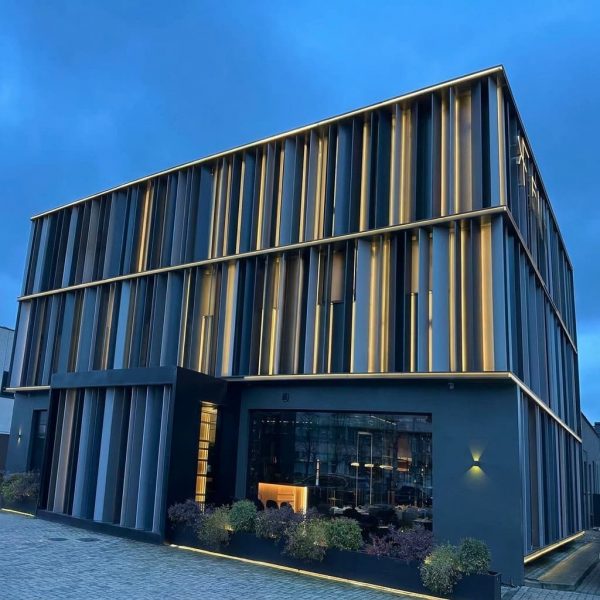
Selecting the right alloy grade is essential to balance long-term durability and budget. We specify SUS 304 for standard interior retail environments like mall atriums, elevator surrounds, and decorative ceilings. For exterior facades, outdoor plazas, or coastal shopping centers exposed to ocean air and high atmospheric salinity, we utilize SUS 316 with added molybdenum to prevent pitting corrosion and surface staining.
Table of Contents
Toggle- Gauge Thickness & Structural Rigidity
We offer sheet metal thicknesses ranging from 0.8mm to 3.0mm+ to meet specific physical demands across high-traffic retail spaces. Large-format architectural wall panels require strict deflection control to prevent visual waviness (“oil-canning”). To guarantee absolute flat surface profiles on expansive walls, we combine thin metal skins with rigid stainless steel honeycomb sandwich panels for lightweight structural backing.
- Fire-Rated Decorative Metal Cladding
Commercial building codes mandate non-combustible materials in public assembly areas. Our architectural stainless steel cladding achieves a Class A / A1 non-combustible rating without requiring chemical fire-retardant coatings.
- Sustainability & Long-Term Lifecycle ROI
Choosing long-lasting stainless steel decoration solutions for shopping malls significantly reduces life-cycle operational costs compared to traditional wood, plaster, or painted laminates.
Popular Decorative Finishes & Surface Treatments
Decorative stainless steel sheets offer a variety of surface treatments that enhance both aesthetics and functionality in hotel renovation projects.
- Mirror and 8K polished finishes
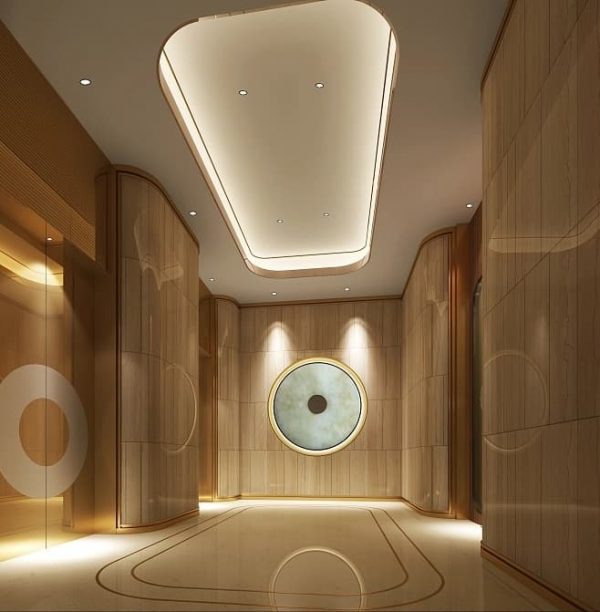
Mirror and 8K polished finishes are popular for creating the illusion of space, as their reflective surfaces add brightness and a sense of openness to lobby areas, elevator cabs, and upscale guest rooms. These finishes are ideal for high-end visual impact, making spaces feel larger and more luxurious.
- Physical Vapor Deposition (PVD)
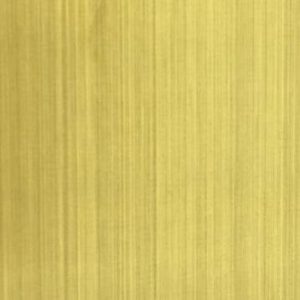
For color customization, PVD (Physical Vapor Deposition) coatings in Champagne, Rose Gold, Black Titanium, and other shades allow hotel designers to match branding or thematic elements seamlessly, providing a modern, durable, and vibrant surface. We utilize proven color stainless steel methods to deliver rich PVD colored stainless steel sheets that resist UV fading, tarnishing, and wear.
- Water ripple , Embossed & Etched Patterns
Water ripple and embossed patterns bring dynamic visual effects, adding texture and depth to feature walls, ceiling panels, or room dividers. These textured finishes not only elevate the design but also help hide fingerprints and minor scratches, maintaining a pristine look over time.
- Nano Anti-Fingerprint (AFP) Protective Coatings
To reduce maintenance efforts in high-touch areas, anti-fingerprint nano-coatings (AFP) are increasingly used on decorative stainless steel sheets. These nano-coatings repel oils and smudges, keeping surfaces cleaner longer and minimizing cleaning frequency. This combination of decorative finishes and surface treatments ensures that hotel interiors remain stunning, hygienic, and easy to maintain, aligning with the demands of busy hospitality environments.



Material Selection for Hotel Projects
In hotel renovation, to choose decorative stainless steel sheets, The right grade, thickness, and environment match decide whether the surface stays clean, stable, and cost-effective in daily use.
- 304 vs. 316 Stainless Steel
| Grade | Best Use | Main Benefit |
|---|---|---|
| 304 | Lobby fixtures, hallways, guest room details, general interior panels | Solid all-round choice for standard indoor use |
| 316 | Spa zones, indoor pools, coastal hotels, and exterior-facing areas | Better corrosion resistance in harsher environments |
- Thickness and Gauge
- 0.5 mm to 0.8 mm: light decorative trim and detail work
- 0.8 mm to 1.2 mm: wall panels, elevator cab metal cladding, and most public-area finishes
- 1.2 mm to 2.0 mm: higher-impact areas or projects that need more rigidity
- Corrosion Resistance and Environment Fit
- Dry indoor areas: 304 is usually enough
- Wet or humid areas: 316 is safer
- High-touch public zones: pair the sheet with an anti-fingerprint nano-coating (AFP) for easier upkeep
- Coastal or spa settings: choose stronger corrosion resistance to reduce surface risk over time
Design Applications in Hotel Renovation with Decorative Stainless Steel Sheets
For guide to using decorative stainless steel sheets & products in hotel renovation, should always start with the space conditions first, then the visual finish. That keeps the project practical, durable, and aligned with long-term hotel operations.
- Lobby and Reception Areas
The lobby sets the first impression, so I treat it as the main place for visual impact. Decorative stainless steel works well for:
- Hotel lobby accent walls
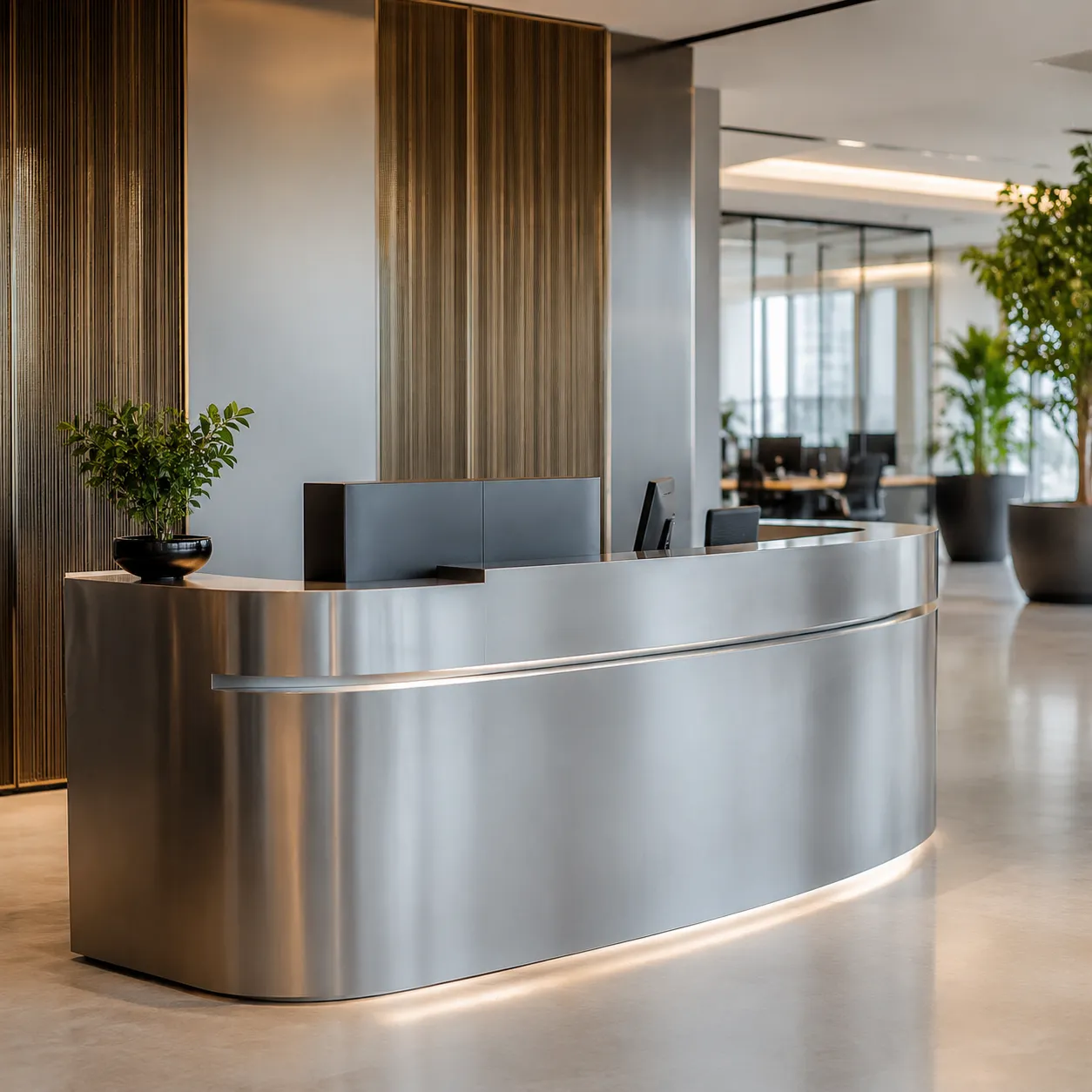
- Reception desk facades
- Column wraps
- Ceiling details and edge trims
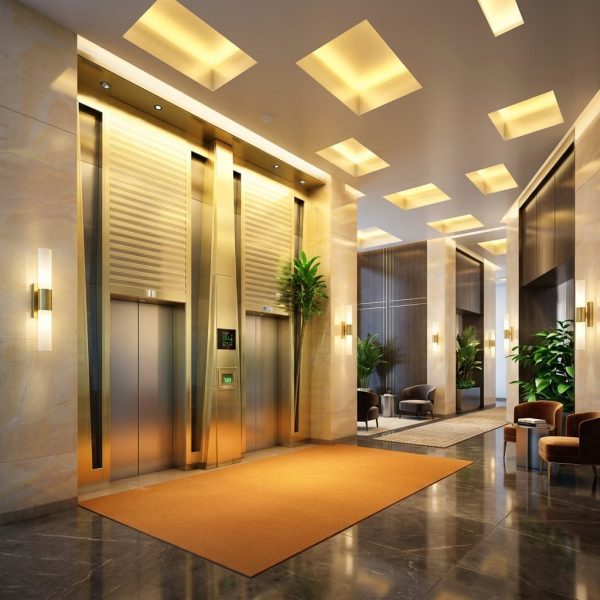
- Elevator Cabs and Corridors
Elevator cabs and corridors take a lot of wear, so I focus on protection first and appearance second. Good uses include:
- Elevator cab metal cladding
- Corridor wall panels
- Door surrounds and trims
- Impact-resistant surface panels
- Guest Rooms and Decorative Accents
In guest rooms, I keep the application more controlled and detail-driven. Decorative stainless steel fits well for:
- Headboard accents
- Room divider details
- Mirror frames
- Bedside trim and small feature panels
- Wet Areas: Pools, Spa, and Bathrooms
Wet areas need a material approach that is practical and easy to manage. Decorative stainless steel is commonly used for:
- Spa wall cladding
- Bathroom accent panels
- Vanity fronts
- Poolside decorative surfaces
- Restaurant and Bar Finishes
Restaurants and bars need surfaces that look polished but also handle constant use. Stainless steel works well for:
- Bar fronts
- Backdrops and feature walls
- Counter edging
- Decorative panels behind service areas
Implementation Steps & Project Planning for Decorative Stainless Steel Sheets in Hotel Renovation
I treat fabrication and installation as part of the final finish. In hotel renovation, small mistakes show fast, especially on hospitality interior wall cladding, elevator surrounds, and other high-visibility surfaces.
- Substrate Preparation
- Make sure the surface is flat, dry, and free of dust or oil
- Use backing materials that stay rigid and support the panel evenly
- Check alignment before bonding to avoid waves, gaps, or edge lift
- For polished or reflective finishes, surface irregularities will show more clearly
- V-Grooving and Bending
- V-grooving stainless steel sheet helps form crisp corners and cleaner transitions
- Bending should follow the panel layout so seams stay controlled
- Keep bend lines accurate to protect the finish and maintain a consistent look
- This matters most in hotel lobby accent walls, column wraps, and trim details
- Adhesive and Mounting
- Use adhesive and fastening methods that match the substrate and panel size
- Apply bonding evenly to avoid hollow spots or surface distortion
- Keep fixings hidden where possible for a more refined appearance
- For architectural stainless steel fabrication, the goal is secure mounting without visible clutter
- Protective Film Handling
- Keep the film in place during transit and site movement
- Remove it only after installation and final cleaning are complete
- Avoid dragging panels across rough surfaces
- Check corners and edges before unwrapping to prevent finish damage
Durability, Maintenance, and Cost Analysis
In hotel renovation, I focus on two things that affect the budget fast: how well the surface holds up and how much time it takes to keep it looking good. Decorative stainless steel sheets are a strong fit for busy areas because they handle daily contact better than many soft finish materials and stay presentable with simple care.
- Impact and Scratch Resistance
- Resists everyday bumps in high-traffic zones
- Holds up well on elevator cab metal cladding and corridor protection areas
- Better suited for busy hotel spaces than finishes that mark easily
- Works well with anti-fingerprint nano-coating (AFP) in public areas
- Cleaning Routine
- Use a soft cloth and mild cleaner
- Avoid harsh abrasives that can mark the surface
- Wipe high-touch areas on a set schedule
- Check protective film removal during handover so the finish stays clean
- Life-Cycle Cost Snapshot
| Material | Upkeep | Durability in Hotel Use | Long-Term Cost View |
|---|---|---|---|
| Decorative stainless steel | Low to moderate | Strong for high-traffic areas | Good life-cycle value |
| Wood veneer | Higher | More sensitive to wear | Often needs more repair |
| Stone | Moderate | Durable, but heavier | Higher install and handling cost |
| Painted drywall | Higher | Marks more easily | More frequent refresh work |
- ROI in Hotel Settings
- Less frequent replacement
- Lower touch-up work
- Better finish retention over time
- Cleaner appearance in guest-facing areas

Supplier & Quality Control
When I source decorative stainless steel sheets for hotel work, I keep the focus on three things: finish consistency, fabrication support, and QC control. In hospitality, small defects show fast on hotel lobby accent walls, elevator cab metal cladding, and commercial interior metal trims.
- What I check first
| Checkpoint | What it means |
|---|---|
| Finish consistency | Same color, sheen, and texture across all panels |
| Fabrication support | Clean cutting, bending, trimming, and panel matching |
| Surface protection | Safe packing and protective film handling |
| Project fit | Right material for interior, wet-area, or high-traffic use |
- Quality points that matter
For supplier benchmarking, I also keep a close eye on the market using resources like this guide to leading stainless steel decor suppliers in China.
- Certifications and traceability: I want clear material records and batch tracking.
- Color consistency: This is critical for PVD colored stainless steel sheets, especially on large wall runs.
- Custom fabrication: Hotels often need architectural stainless steel fabrication, including cutting, bending, and V-grooving stainless steel sheet work.
- Surface control: A good supplier should protect mirror finish 8K stainless steel sheet, brushed hairline finish sheet, and water ripple metal ceiling panels from transit damage.
- Application match: I check that the finish suits the space, whether it is a lobby, corridor, spa, or restaurant.
- Why I treat Xinye Metal carefully
For hospitality sourcing, I would place Xinye Metal in the same quality review process as any project supplier: finish match, fabrication accuracy, and stable output for bulk orders. That is the standard I use before I approve hospitality interior wall cladding, etched pattern metal panels, or anti-fingerprint nano-coating (AFP) projects.
FAQ
1. Best finishes for high-traffic hotel areas
I usually choose brushed hairline, anti-fingerprint nano-coated, or PVD colored stainless steel sheets for busy hotel zones like lobbies, corridors, and elevator cab metal cladding. If I need a stronger visual statement, I use a mirror finish 8K stainless steel sheet on feature areas, not on heavy-touch surfaces. For a quick panel reference, I keep a decorative stainless steel panel overview in the spec set.
2. Color and finish consistency
I keep consistency by locking the grade, finish, and approved sample before production starts. For hospitality interior wall cladding and hotel lobby accent walls, I keep the order tied to one clear specification so the color tone stays stable across batches and fabrication runs.
3. Thickness for wall panels
For most wall panels, I stay in the 0.5 mm to 2.0 mm range. I use thinner sheet for lighter decorative work and thicker sheet when the panel needs more rigidity, cleaner installation, or better handling on site.
4.Keeping the shine and integrity
I keep maintenance simple:
– Use a soft cloth and mild cleaner
– Avoid abrasive pads and harsh scrubbing
– Handle protective film carefully during installation
– Clean regularly in high-touch areas
This helps decorative steel keep its finish and stay presentable in daily hotel use.
5.304 vs. 316 cost impact
Grade 304 is the standard choice for indoor decorative use and general hotel interiors. Grade 316 costs more because it is better suited to more demanding moisture or corrosion exposure, such as spa areas, indoor pools, coastal properties, and outdoor-facing applications. I choose 316 only where the environment justifies the extra cost.
6. Quick decision guide for Hotel Renovation
| Question | Best practical answer |
|---|---|
| High-traffic finish | Brushed, hairline, or AFP-coated |
| Strong visual effect | Mirror 8K, water ripple, or PVD color |
| Standard interior grade | 304 |
| Higher corrosion exposure | 316 |
| Wall panel thickness | 0.5 mm to 2.0 mm |