

The Evolution of Decorative Stainless Steel in Luxury Homes
Originally valued for its strength and corrosion resistance, stainless steel now offers a refined aesthetic. This shift is driven by architects and designers seeking durable, low-maintenance materials that also deliver visual elegance.
Table of Contents
ToggleThe rising popularity of decorative stainless steel applications in luxury residential projects reflects its ability to seamlessly blend form and function, providing sophisticated solutions for feature walls, ceilings, and architectural details. Its versatility and long-lasting quality make it an essential choice for creating timeless, high-end interiors and exteriors.
Advantages of Stainless Steel in Luxury Residential Projects
When a project needs a clean look that still holds up over time, stainless steel gives a strong balance of design freedom and everyday practicality.
- Long Life, Less Concern
- Built for durability and longevity
- Works well in high-touch areas like entrances, feature walls, stair details, and custom metal wall cladding
- Keeps its structure and finish better than many decorative materials
- Finish Options That Fit the Design
- Reflective looks for bold, upscale spaces
- Brushed surfaces for a softer, quieter feel
- Custom finishes for architectural decorative trim, including 8K mirror finish stainless steel and PVD colored stainless steel
- For finish planning, I often use this guide to stainless steel coloring and surface finishes when matching tones like titanium gold PVD coating
- Better for Coastal and Humid Homes
- A strong choice for coastal residence corrosion resistance
- Suitable for humid interiors, sea-facing villas, and other demanding residential settings
- Helps reduce visible wear in places where moisture and salt air are part of daily life
- Easy to Maintain
- Simple to clean
- Smooth surfaces help keep a sharp look with less effort
- Non-fading finishes support a consistent design over time, which matters in high-end residential metalwork
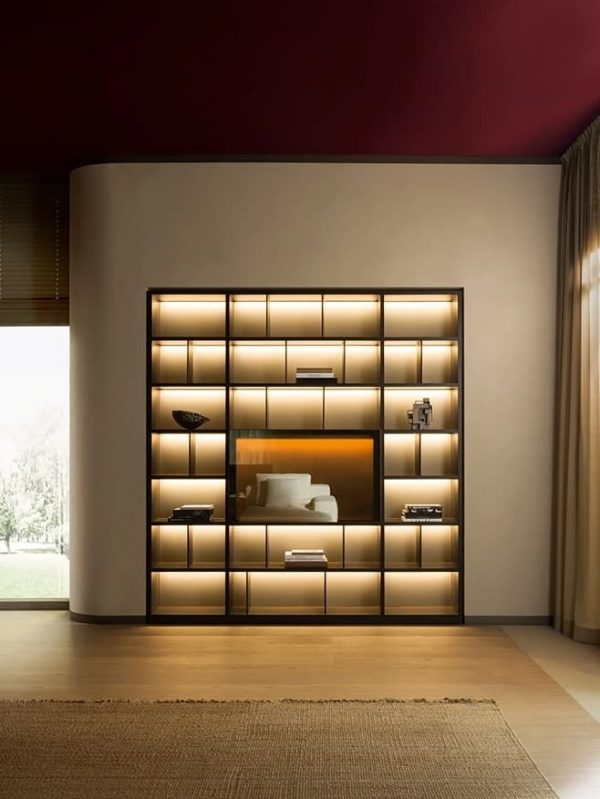
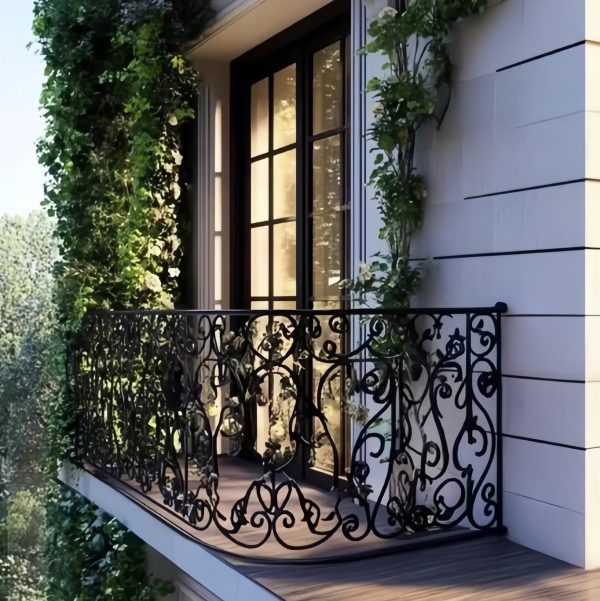
Precision Manufacturing & Craftsmanship Behind Luxury Metalwork
The foundation of high-end residential stainless steel applications lies in precision manufacturing and expert craftsmanship. Advanced machinery, such as German Trumpf 10,000W laser cutters, enables intricate cuts and detailed designs, ensuring every element meets exact specifications. Precision CNC bending allows for complex geometries in architectural metal fabrication, providing seamless integration with architectural plans.
Surface quality is equally critical; mirror-finish polishing creates a flawless, reflective surface that elevates luxury interiors. Skilled welders and artisans ensure that each piece, from decorative trim profiles to bespoke metal wall cladding, maintains structural integrity and aesthetic perfection. Rigorous quality control processes—covering raw material inspection, sample testing, and protective packaging—guarantee durability and long-lasting beauty.
This meticulous approach ensures that every stainless steel feature, whether a decorative screen or a statement ceiling, not only meets design expectations but also withstands the test of time, making it ideal for luxury residential projects.
Decorative Stainless Steel Applications in Luxury Residential Projects
The value of high-end residential metalwork is simple: it should look refined, fit precisely, and stay dependable across the full project life cycle.
- Feature Walls and Cladding
- Stainless steel honeycomb panels work well for large-format accents because they keep the look clean without adding unnecessary weight.
- I use custom metal wall cladding to build depth, especially when the surface needs to feel more architectural than flat.
- Etched and embossed details add texture without making the space feel busy.
- In coastal projects, I always match the material choice to the exposure level, including the right Grade 304 vs 316 stainless steel approach for corrosion resistance.
- Ceiling and Wall Transitions
- Crisp edges matter in premium interiors, so I rely on stainless steel trim profiles and architectural decorative trim to finish wall-to-ceiling junctions properly.
- A well-placed stainless steel decorative trim detail makes the transition between metal, stone, wood, or plaster feel intentional.
- These lines are small, but they shape the whole room by keeping the layout visually tight and refined.
- Space Dividers and Art Partitions
- Laser-cut decorative metal screens are a strong fit for open-plan living areas that need separation without losing light.
- I use bespoke metal room dividers when the design calls for privacy, flow, and a stronger visual centerpiece.
- The layout has to balance sightlines, light flow, and day-to-day use, not just pattern alone.
- Architectural Hardware and Structural Elements
- I also use stainless steel for balustrades, staircase parts, fireplace surrounds, and metal furniture frames.
- Clean fabrication matters here, and stainless steel decorative profiles help keep edges and joins consistent.
- With precision CNC metal bending and solid architectural metal fabrication, these parts read as part of the architecture, not as add-ons.