
Understanding 316L Stainless Steel
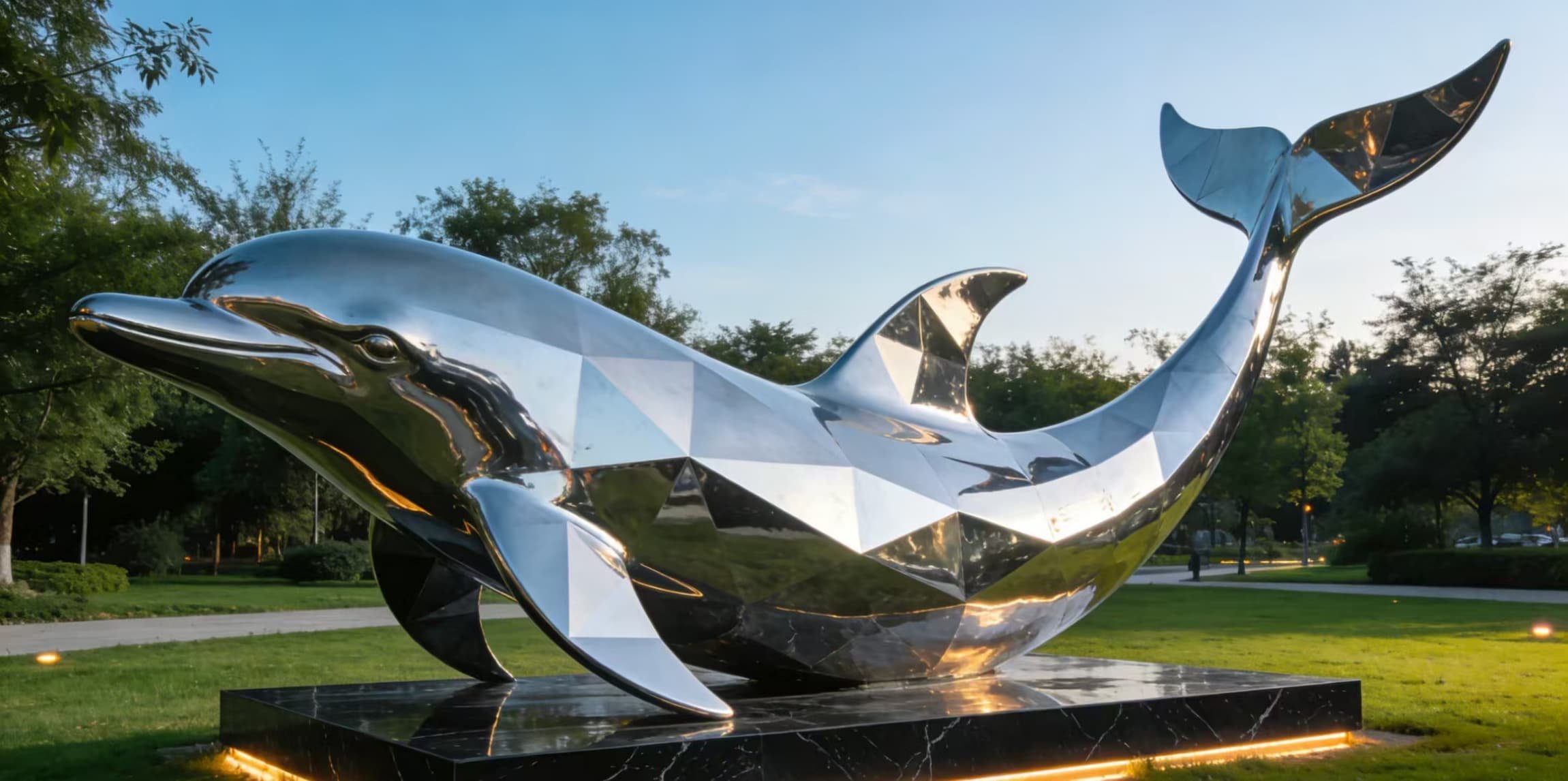
When I choose a material for 316L stainless steel CNC machining, I usually start with one question: will it hold up in real-world conditions without adding unnecessary machining problems? For many buyers and engineers, 316L is the answer because it combines corrosion resistance, good strength, and reliable machinability for custom stainless steel components.
316L Composition
316L is an austenitic stainless steel with a low carbon content. The “L” stands for low carbon, typically capped at 0.03% max.
Its common alloy profile includes:
- Chromium: about 16–18%
- Nickel: about 10–14%
- Molybdenum: about 2–3%
That molybdenum is a big reason 316L stainless steel properties stand out in harsh environments. It helps improve resistance to pitting and crevice corrosion, especially in chloride-rich settings.
Why It Resists Corrosion
I recommend 316L when the part will see:
- Saltwater or marine exposure
- Cleaning chemicals and sterilization cycles
- Humid, aggressive industrial environments
- Food, pharma, or medical contact conditions
Compared with standard 304 stainless, corrosion resistance of 316L is stronger in chloride-heavy environments. That makes it a better fit for long-life parts where rust, staining, or surface failure would be costly.
Common Applications
Because of its balance of durability and cleanliness, 316L is widely used in:
- Medical devices and surgical components
- Marine hardware and offshore fittings
- Industrial equipment and fluid-handling parts
- Food processing and pharmaceutical systems
- Aerospace and automotive precision parts
These industries often need CNC machining stainless steel parts that can handle wear, hygiene demands, and tight tolerances without frequent replacement.
Why I Prefer 316L for CNC Work
For machining 316L stainless, the material gives me a solid base for precision work when the job demands both performance and reliability.
Key advantages for CNC projects:
- Stable for precision machining 316L
- Good corrosion resistance after machining
- Suitable for tight-tolerance custom stainless steel components
- Compatible with PVD coating on stainless steel
- Strong option when stainless steel component lifespan improvement matters
In practice, 316L is often the right choice when a part must survive harsh service conditions while still supporting accurate CNC finishing and later surface treatment. It gives engineers a dependable starting point before coating, polishing, or secondary processing.
CNC Machining 316L Stainless Steel
CNC machining 316L stainless steel is a popular choice for manufacturing high-quality, durable parts. This material is known for its excellent corrosion resistance and strength, making it ideal for many industries. When machining 316L stainless steel, it’s important to understand how it behaves during the process to get the best results.
How 316L Stainless Steel Behaves During CNC Machining
During CNC machining of 316L stainless steel, the material tends to work harden if not handled carefully. This means the surface becomes harder as you cut into it, which can increase tool wear. Heat generated from cutting can also affect the material, so managing temperature is crucial. Proper tool selection and cutting parameters help prevent excessive work hardening and extend tool life.
Best Practices for Machining 316L Stainless Steel
To achieve precision, it’s best to use sharp, high-quality tooling designed for stainless steel. Cutting speeds should be optimized—usually lower than other metals—to reduce heat and work hardening. Coolants and lubricants are essential to keep the temperature down and improve surface finish. Using coolant also helps prevent tool wear and ensures consistent quality. Advanced CNC Machines allow manufacturers to achieve higher precision, repeatability, and surface quality when producing complex stainless steel components.
Achieving Tight Tolerances and Smooth Finishes
Getting tight tolerances and smooth surface finishes on 316L stainless steel requires careful control of machining parameters. Fine feed rates, proper tool path strategies, and surface finishing processes like polishing or buffing are often used. This ensures the final parts meet strict specifications, especially in aerospace, medical, and automotive applications.
Common CNC Machined 316L Parts
You’ll find CNC machined 316L stainless steel components in many high-end industries. In aerospace, it’s used for structural parts and fittings that need both strength and corrosion resistance. Medical devices and surgical tools often rely on CNC-machined 316L for its biocompatibility and durability. Automotive parts, especially those exposed to harsh environments, also benefit from the corrosion resistance and precision machining of 316L stainless steel. For more on custom stainless steel components, check out this example.
PVD Coating on 316L Stainless Steel
PVD coating on 316L stainless steel is a thin, hard surface layer applied by the physical vapor deposition process. I use it when I need better stainless steel wear resistance, lower friction, and a cleaner finish without changing the base material.
What PVD Coating Is
PVD works by turning coating material into vapor inside a vacuum chamber, then bonding it to the 316L stainless steel substrate. This creates a thin film that is hard, durable, and even-looking.
Common PVD Coating Types for 316L
| Coating type | Main use | Typical benefit |
|---|---|---|
| TiN | General wear parts | High hardness, gold finish |
| TiCN | Sliding and contact parts | Better wear resistance, lower friction |
| DLC | Medical, precision, low-friction parts | Very smooth, dark finish, strong surface protection |
| CrN | Corrosion-heavy use | Good balance of hardness and corrosion resistance |
PVD Process for CNC Machined 316L Parts
For CNC machined 316L parts, I usually follow these steps:
- Clean and degrease the part
- Check the surface finish before PVD coating
- Load the part into the vacuum chamber
- Apply the coating with controlled heat and pressure
- Inspect coating thickness, color, and adhesion
A smooth CNC finish helps the coating stay even and stable. It also supports better coating thickness and hardness control.
How PVD Bonds to 316L
PVD does not soak into the metal. It forms a strong thin layer on top of the surface. On properly prepared 316L stainless steel properties, this bond is strong enough for daily wear, repeated contact, and long service life.
Key Benefits on 316L
- Higher wear resistance
- Lower friction in moving parts
- Better scratch protection
- Cleaner, more premium appearance
- Longer stainless steel component lifespan improvement
| Benefit | Why it matters |
|---|---|
| Wear resistance | Reduces surface damage in use |
| Friction reduction | Helps moving parts run smoother |
| Aesthetics | Gives a clean, uniform look |
| Surface stability | Keeps parts looking and performing better |
For global projects, I usually recommend PVD coating on stainless steel when the part needs both a strong finish and a professional look, especially in custom stainless steel components and precision parts.
Hardness of 316L Stainless Steel Before Coating
The typical baseline hardness for 316L stainless steel used in CNC machining ranges from about 150 to 200 HV (Vickers hardness). This hardness level makes it suitable for many industrial and medical applications, but it can vary depending on how the material is processed.
Machining, cold work, and heat treatment all influence the hardness of 316L stainless steel. For example, cold working processes like bending or forming can increase surface hardness temporarily, but without proper heat treatment, the core hardness remains within the standard range. Heat treatments, such as solution annealing, help stabilize the hardness and improve machinability.
However, uncoated 316L stainless steel has some limitations in high wear or high contact applications. Its baseline hardness may not be enough to withstand constant friction, impact, or abrasive forces, which is why many choose to apply PVD coating to enhance surface properties. For demanding environments, increasing the surface hardness through coatings like PVD can significantly extend the lifespan of parts and improve performance.
PVD Coating Hardness Specifications on 316L
PVD coatings on 316L stainless steel can reach hardness levels typically between 2000–3000 HV, making them significantly harder than the base material. The exact hardness depends on the coating type, thickness, and process parameters. For example, titanium nitride (TiN) and diamond-like carbon (DLC) coatings usually offer high hardness, which enhances wear resistance and surface durability.
| Coating Type | Typical Hardness (HV) | Benefits |
|---|---|---|
| TiN | 2000–2500 | Good wear resistance |
| TiCN | 2500–2800 | Better toughness, scratch resistance |
| DLC | 2500–3000 | Ultra-hard, low friction |
The hardness of PVD-coated 316L is often compared to chrome plating and nitriding. PVD coatings generally provide higher hardness and better adhesion, especially when the substrate is properly prepared. Surface finish and preparation before coating play a crucial role in achieving optimal hardness and coating adhesion. A smooth CNC surface finish helps ensure consistent coating thickness and hardness.
For common applications, such as medical devices or automotive parts, the recommended hardness range for PVD coatings on 316L is around 2000–3000 HV. This balance offers durability, corrosion resistance, and a smooth surface finish suitable for high-performance environments. Properly specified hardness ensures the components perform reliably over their lifespan, especially in high-wear or high-contact settings.
Hardness Testing Methods and Standards for 316L Stainless Steel CNC Machining PVD Coating Hardness Specifications
When I check the hardness of 316L stainless steel after CNC machining and PVD coating, I use the test method that matches the part thickness and coating type. Thin hard films need a different approach than the bare 316L substrate.
Vickers Hardness for Coated 316L
Vickers hardness testing is one of the most common ways to measure PVD coating hardness HV on 316L parts.
- It works well for thin, hard coatings like TiN coating hardness and DLC coating on 316L
- It gives a clear result when I need to compare coated surfaces across batches
- It is better than heavy-load tests when the coating is thin
For coated parts, I usually focus on the coating layer first, then confirm the base material separately.
Rockwell and Nano-Indentation
For stainless steel hardness testing, Rockwell testing is useful on the uncoated 316L substrate, but it is not always the best choice for thin PVD layers.
- Rockwell hardness testing coated parts can be limited because the indenter may go too deep
- Nano-indentation is better for very thin coatings and local spot checks
- It helps me see how the coating behaves on the actual finished surface
Coated vs Uncoated Results
A coated 316L part should not be judged the same way as bare stainless steel.
- Uncoated 316L usually shows the base material hardness only
- PVD-coated 316L should show a much higher surface hardness
- A good result means the coating is hard, even, and bonded well
Here is the simple way I read the results:
| Test Area | What It Tells Me | Typical Focus |
|---|---|---|
| Bare 316L | Base metal hardness | Material condition, cold work |
| Coated surface | Surface hardness | Coating performance, wear resistance |
| Edge or thin area | Process consistency | Coating coverage and adhesion |
Common Standards
For PVD coating hardness specifications, I usually look at these standards and related quality checks:
- ISO 6507 for Vickers hardness
- ASTM E384 for microindentation hardness
- ASTM E18 for Rockwell hardness
- ISO 14577 for instrumented indentation / nano-indentation
- ISO 20502 for coating adhesion, when needed
For global buyers, I make sure the supplier states the test method, load, location, and acceptance range clearly. That keeps the results easy to compare across batches and helps control PVD coating on stainless steel quality.
Performance Benefits of CNC Machined and PVD-Coated 316L
Choosing CNC machined 316L stainless steel with PVD coating offers several key advantages, especially when hardness plays a role.
Improved Wear Resistance and Longer Lifespan
The combination of precise CNC machining and hard PVD coatings significantly boosts wear resistance. This means parts last longer, even in demanding environments like medical devices or industrial tools. For example, PVD coatings such as TiN or DLC can reach hardness levels of 2000–3000 HV, greatly surpassing the base 316L stainless steel’s typical 150–200 HV.
Better Scratch Resistance and Surface Stability
PVD coatings create a tough, smooth surface that resists scratches and surface damage. This is crucial for components exposed to frequent contact or friction, maintaining their appearance and functionality over time.
Enhanced Corrosion Resistance
While 316L stainless steel already offers excellent corrosion resistance, adding a PVD coating can further protect against harsh environments, especially in marine or medical settings. Coatings like TiN not only add hardness but also improve surface stability in corrosive conditions.
Smoother Motion and Friction Reduction
PVD coatings reduce friction between mating parts, leading to smoother operation and less wear on both surfaces. This benefit is especially important in precision applications like aerospace or automotive components, where even small improvements in friction can extend part life.
How Hardness Specs Impact Performance
Hardness levels directly influence performance and durability. For instance, a PVD coating with a hardness of 2500 HV can resist more wear and scratches than uncoated 316L. It’s essential to specify the right coating type and thickness based on the intended use, whether for medical tools, industrial machinery, or high-performance automotive parts.
In , CNC machining combined with PVD coating not only enhances the hardness of 316L stainless steel but also boosts its overall performance, making it ideal for demanding applications where longevity and reliability matter. For more on how surface treatments improve stainless steel, you can explore stainless steel honeycomb sandwich panels.
Design and Engineering Considerations for PVD-Coated 316L Stainless Steel
Choosing the right PVD coating for 316L stainless steel depends heavily on the hardness requirements of your application. For example, if you need a surface with high wear resistance, coatings like TiN or DLC can provide hardness levels up to 3000 HV, significantly improving durability over uncoated 316L. It’s essential to balance coating hardness with toughness and adhesion to prevent delamination or cracking during use.
When designing parts for PVD coating, pay close attention to tolerancing and dimensional changes. Coatings can add a thin layer that slightly alters dimensions, so adjusting tolerances beforehand helps maintain precision. Also, achieving the ideal surface roughness before PVD coating is critical—rougher surfaces can lead to inconsistent hardness and coating adhesion issues. A smooth, well-prepared surface ensures uniform coating thickness and better hardness performance.
Common design mistakes include neglecting surface finish requirements or choosing coatings that are too hard for the substrate’s toughness. For example, overly hard coatings may cause cracking if the substrate isn’t prepared properly or if the part experiences high stress. To avoid these issues, it’s best to work with experienced suppliers who understand the nuances of PVD coating on stainless steel, ensuring the coating hardness specifications align with your application’s needs. Proper surface preparation, coating thickness control, and adherence to industry standards help maximize the performance and lifespan of your PVD-coated 316L components.
Industry Applications Using PVD-Coated 316L
PVD-coated 316L stainless steel is widely used across various industries thanks to its high hardness, excellent corrosion resistance, and durable surface properties. In aerospace, components often require high hardness and corrosion resistance to withstand extreme environments, making PVD-coated 316L a top choice for structural parts and fasteners. Medical devices and surgical tools benefit from the biocompatibility and hard, wear-resistant surfaces provided by PVD coatings, ensuring longevity and safety in clinical settings.
In food processing and pharmaceutical hardware, hygienic and hard coatings are essential for maintaining cleanliness and preventing contamination. PVD coatings like TiN or DLC create smooth, easy-to-clean surfaces that resist bacteria buildup. Automotive and motorsport parts also need hard, low-friction surfaces to improve performance and durability under high stress and contact conditions. Additionally, tooling, fixtures, and gauges made from 316L with PVD hard coatings are common in manufacturing environments, as they offer longer lifespan and reliable precision.
These applications highlight how PVD coating hardness specifications on 316L stainless steel directly impact performance, making it a versatile solution for demanding industrial needs. For more on customizing stainless steel components for such uses, check out custom stainless steel components.
Specifying 316L CNC Machining and PVD Coating in RFQs
When preparing RFQs (Request for Quotations) for 316L stainless steel CNC machining with PVD coating, clear and detailed specifications are essential. This helps ensure the final parts meet your hardness, performance, and quality expectations.
Key technical data to include:
- Material grade: Specify 316L stainless steel, including any relevant standards such as ASTM A240 or ISO 15510, to ensure material consistency.
- Hardness specifications: Define the baseline hardness of the 316L before coating (e.g., 150–200 HV) and the desired hardness range after PVD coating (often 2000–3000 HV), depending on the application.
- Coating type: Clearly state the preferred PVD coating type, such as TiN, TiCN, or DLC, based on wear resistance, friction reduction, or aesthetic needs.
How to specify coating details:
- Coating thickness: Specify the required coating thickness, typically ranging from 1 to 5 microns, to balance hardness and adhesion.
- Color: Indicate if a specific color or appearance is needed—common options include gold, black, or clear coatings.
- Target hardness range: Define the desired hardness for the coated surface, ensuring it aligns with your application’s wear and corrosion resistance needs.
Tolerance and surface finish:
- Before coating, specify the acceptable tolerances and surface roughness (e.g., Ra 0.8 μm) to achieve consistent hardness and coating adhesion.
- After coating, clarify if additional finishing or polishing is required to meet your surface quality standards.
Quality inspection and testing:
- Request hardness testing methods such as Vickers hardness testing for coated surfaces, or Rockwell and nano-indentation for thin films.
- Specify the reporting format, including detailed test reports, coating thickness measurements, and adhesion tests, to verify quality and performance.
Including these details in your RFQ helps your supplier deliver parts that meet your hardness specifications and performance expectations. For more insights on customizing stainless steel components, check out our guide on stainless steel construction teams.
Choosing a 316L Stainless Steel CNC Machining and PVD Coating Supplier
I always treat supplier selection as part of the part design. With 316L stainless steel CNC machining and PVD coating hardness specifications, the right partner helps me control hardness, finish, and final fit without guesswork.
Why supplier experience matters
316L stainless steel behaves differently from softer metals. It can work harden, create more tool wear, and react to coating prep in ways that affect the final result. A supplier with real experience in machining 316L stainless knows how to manage CNC machining tolerances for 316L, keep the surface finish before PVD coating stable, and protect the coating bond.
For projects that need color and appearance control, I also look for teams that understand PVD coating on stainless steel and finish options like the ones shown in gold-colored stainless steel surface treatment examples.
What I check first
Before I approve a supplier, I ask for proof in three areas:
- Certifications: ISO system control, material traceability, and coating process records
- Process control: stable CNC setup, clean pretreatment, and repeatable physical vapor deposition process
- Hardness verification: clear Vickers hardness 316L or PVD coating hardness HV test data, not just a sales claim
If the part needs higher wear life, I also ask how they handle DLC coating on 316L, TiN coating hardness, and other high hardness thin film coatings for stainless steel wear resistance.
Questions I ask every supplier
I keep my questions practical:
- What coating lines do you run for 316L?
- Do you test coating thickness and hardness on every batch?
- Can you share sample reports for stainless steel hardness testing?
- Which ISO standards for PVD coatings and ASTM standards for stainless steel hardness do you follow?
- How do you confirm adhesion, color uniformity, and surface stability?
- Can you support small sample runs before full production?
If a supplier cannot explain their testing equipment or sample workflow, I treat that as a risk.
Lead time, batch size, and cost
For global buyers, I also look at schedule and order size early. Cost for PVD-coated 316L parts usually depends on:
| Factor | Why it matters |
|---|---|
| Batch size | Small runs often cost more per part |
| Coating type | DLC, TiN, and custom finishes have different pricing |
| Hardness target | Higher hardness specs may need tighter process control |
| Part geometry | Complex shapes can affect coating coverage |
| Lead time | Faster delivery can raise cost |
I prefer a supplier that is clear about what is included, from CNC machining to coating thickness and final hardness checks. That makes it easier to plan for stainless steel component lifespan improvement and avoid delays.
Best fit for global projects
For international work, I look for a partner that can keep quality stable across repeat orders, different time zones, and mixed batch sizes. The best supplier is not just a coating shop. It is a team that understands 316L stainless steel properties, PVD coating hardness specifications, and how to deliver consistent custom stainless steel components with real wear performance.