
Core Physical and Aesthetic Characteristics of Decorative Stainless Steel Panels
Alloy Composition and Grade Versatility (304 vs. 316)
Stainless steel decorative panels derive their durability and appearance from their alloy composition. The key element is chromium, which makes up at least 10.5% of the alloy. Chromium forms a self-healing passive oxide layer on the surface, providing excellent corrosion resistance. For interior applications like wall cladding, lobbies, and elevators, Grade 304 stainless steel is commonly used due to its reliable performance and cost-effectiveness. In contrast, Grade 316 stainless steel contains molybdenum, enhancing its resistance to chlorides and harsh environments. This makes 316 the preferred choice for coastal exteriors, pool areas, and high-chloride environments where durability against corrosion is critical.
Surface Finishes, Textures, and PVD Coloration
Decorative stainless steel panels are available with a variety of surface finishes, each serving different aesthetic and functional purposes. Mechanical finishes include No. 4 brushed or satin, which provide a matte, non-reflective surface ideal for hiding fingerprints and scratches. The No. 8 super mirror finish offers a highly reflective, mirror-like surface for upscale designs. Bead-blasted matte diffusion and vibration finishes create textured surfaces that scatter light and add visual interest.
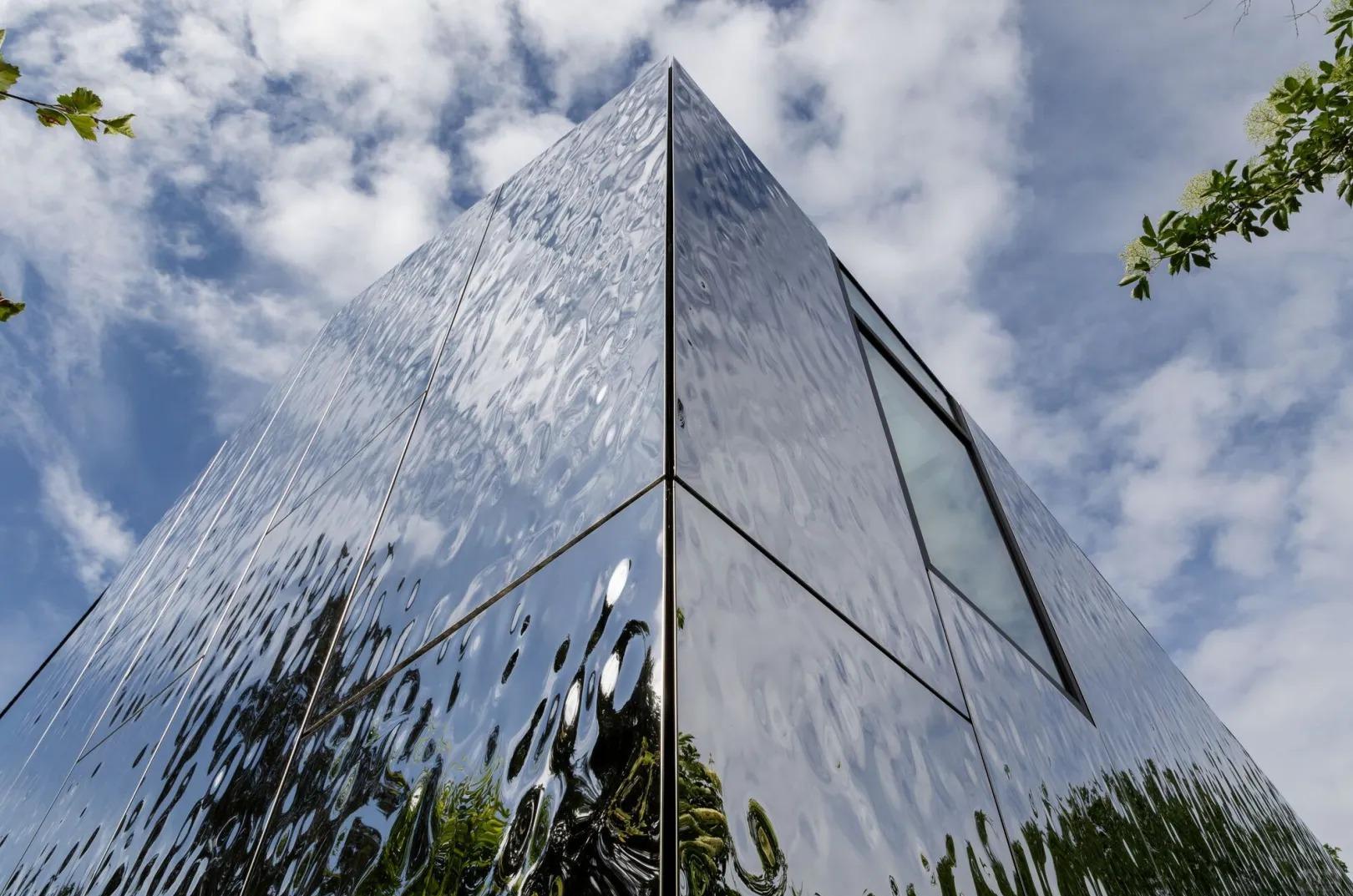
3D texturing and forming techniques, such as embossed, stamped, or water-ripple sheets, increase structural rigidity and enhance visual depth. PVD (Physical Vapor Deposition) coating bonds titanium-based colors—like champagne gold, rose gold, bronze, and black titanium—at the molecular level. These finishes resist peeling and fading, maintaining their vibrant appearance over time.
Structural Strength-to-Weight Ratio and Formability
Decorative stainless steel panels are engineered for strength and flexibility. Their high tensile strength allows for thinner gauges, typically between 18 and 24 gauge, without compromising impact resistance. This reduces weight and material costs while maintaining durability. The cold-formability of stainless steel enables precise fabrication through laser-cutting, CNC-punching, V-grooving, and bending. These properties allow for the creation of crisp architectural details, such as column wraps, perforated acoustic screens, and complex shapes, making stainless steel decorative panels a versatile choice for various architectural applications.
Key Advantages of Choosing Stainless Steel Decorative Paneling
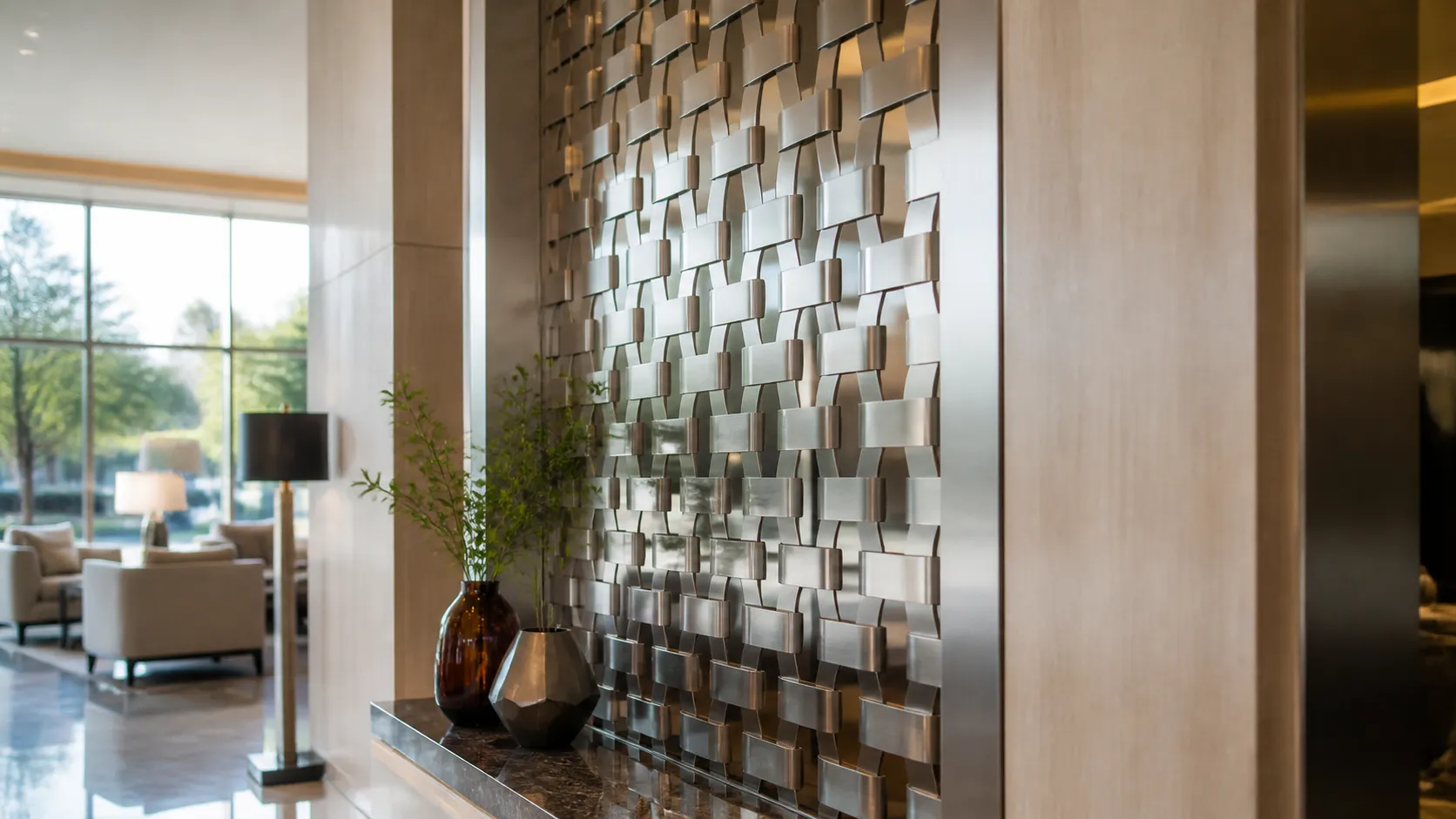
Superior corrosion, moisture, and weather resistance is a primary benefit of stainless steel decorative metal paneling. Unlike wood veneers, MDF, or standard carbon steel, stainless steel panels offer zero rust, warping, swelling, or delamination even in humid climates, commercial kitchens, or exterior facades. This durability ensures long-term performance with minimal maintenance, making them ideal for challenging environments.
Exceptional longevity and lifecycle cost efficiency make stainless steel a smart investment. With a typical service life of 30 to 50 years, these panels eliminate the need for frequent repainting, sealing, or replacement. Their durability translates into significant savings over time, providing a high return on investment (ROI).
Non-porous hygiene and easy cleanability are critical in healthcare, laboratories, and food-service settings. The seamless, zero-porosity surface prevents bacterial, mold, and viral buildup, supporting strict sanitation standards. Modern anti-fingerprint (AFP) coatings further reduce maintenance efforts by repelling skin oils and dirt, simplifying daily cleaning with just mild soap and water.
Non-combustible fire safety compliance is a vital feature. Stainless steel panels are naturally non-combustible, with an ASTM E84 Class A fire rating and a high melting point. They emit zero toxic smoke or fumes during a fire, ensuring safety and meeting strict fire codes.
Eco-friendly and sustainable benefits include high recycled content—often over 60%—and endless recyclability without degradation. This aligns with green building standards like LEED, supporting sustainable architecture goals.
Stainless Steel vs. Alternative Decorative Wall Materials
When choosing decorative wall materials, it’s essential to weigh their impact resistance, fire safety, moisture tolerance, aesthetic flexibility, and long-term costs. Here’s a quick comparison:
| Material | Impact & Scratch Resistance | Fire Rating | Moisture & Exterior Suitability | Aesthetic Customization | Lifecycle Cost |
|---|---|---|---|---|---|
| Decorative Stainless Steel | Very high, durable surface | Fire-rated (ASTM E84 Class A) | Excellent, corrosion-resistant | Wide options, PVD finishes, embossing | Cost-effective over decades |
| Anodized Aluminum | Good impact resistance | Fire-safe, lightweight | Suitable for outdoor, weathering | Color options, anodized surface | Moderate, needs maintenance |
| HPL / Laminate | Moderate impact resistance | Not fire-rated (varies) | Limited moisture resistance | Limited, mainly color & pattern | Lower initial cost, shorter lifespan |
| Natural Stone Veneer | Moderate impact resistance | Fire-safe, varies | Good for exterior, moisture resistant | Limited, natural look | Higher upfront, durable |
When Stainless Steel Outperforms Alternatives:
- High-traffic environments: Stainless steel’s impact and scratch resistance make it ideal for busy areas like lobbies, corridors, and elevator cabs.
- Strict fire codes: Its non-combustible nature (ASTM E84 Class A) ensures safety compliance in commercial spaces.
- Luxury aesthetics: The metallic sheen and customizable finishes, including PVD coatings and embossed textures, provide a premium look that alternatives cannot match.
- Long-term durability: Stainless steel’s resistance to corrosion, moisture, and environmental wear translates into lower lifecycle costs and less maintenance over time.
Choosing stainless steel for decorative wall panels ensures a combination of durability, safety, and high-end appearance, making it the smart choice for demanding architectural applications.
High-impact architectural applications of stainless steel decorative metal paneling
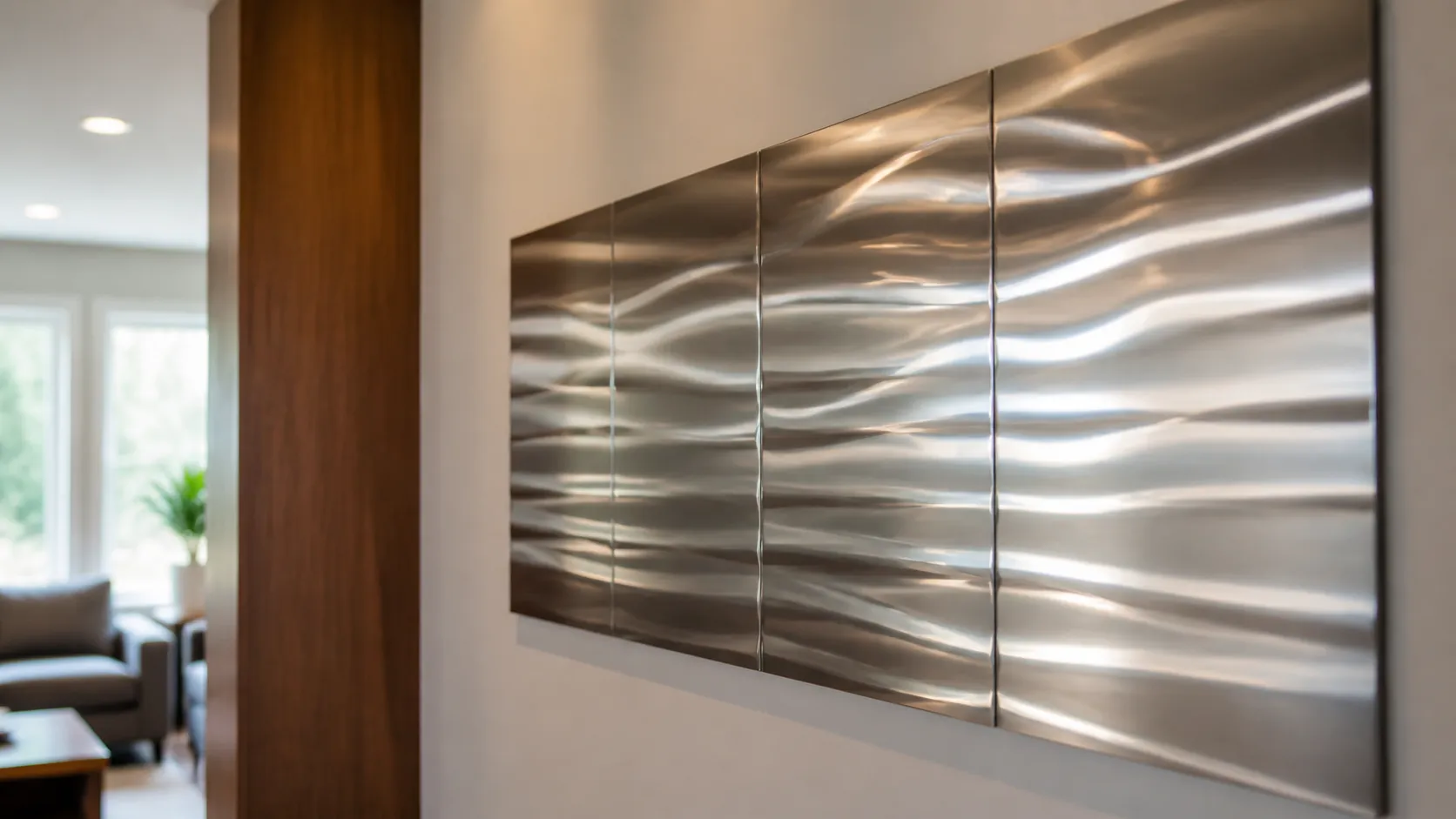
Commercial spaces benefit from stainless steel panels in creating striking focal points. Water-ripple or PVD bronze finishes reflect ambient lighting, enhancing visual appeal in lobbies, feature walls, and column cladding. These panels add a luxurious touch while maintaining durability.
Elevator cabs and high-traffic corridors often use embossed or textured stainless steel to effectively mask scuffs and scratches from daily use. This surface treatment ensures long-lasting aesthetic quality, even in busy environments like malls or transportation hubs.
In hospitality, retail, and luxury kitchens, custom stainless steel backsplashes, bar fronts, and ceiling coffers combine upscale design with health-code compliance. Their seamless, non-porous surfaces make cleaning simple while supporting hygiene standards.
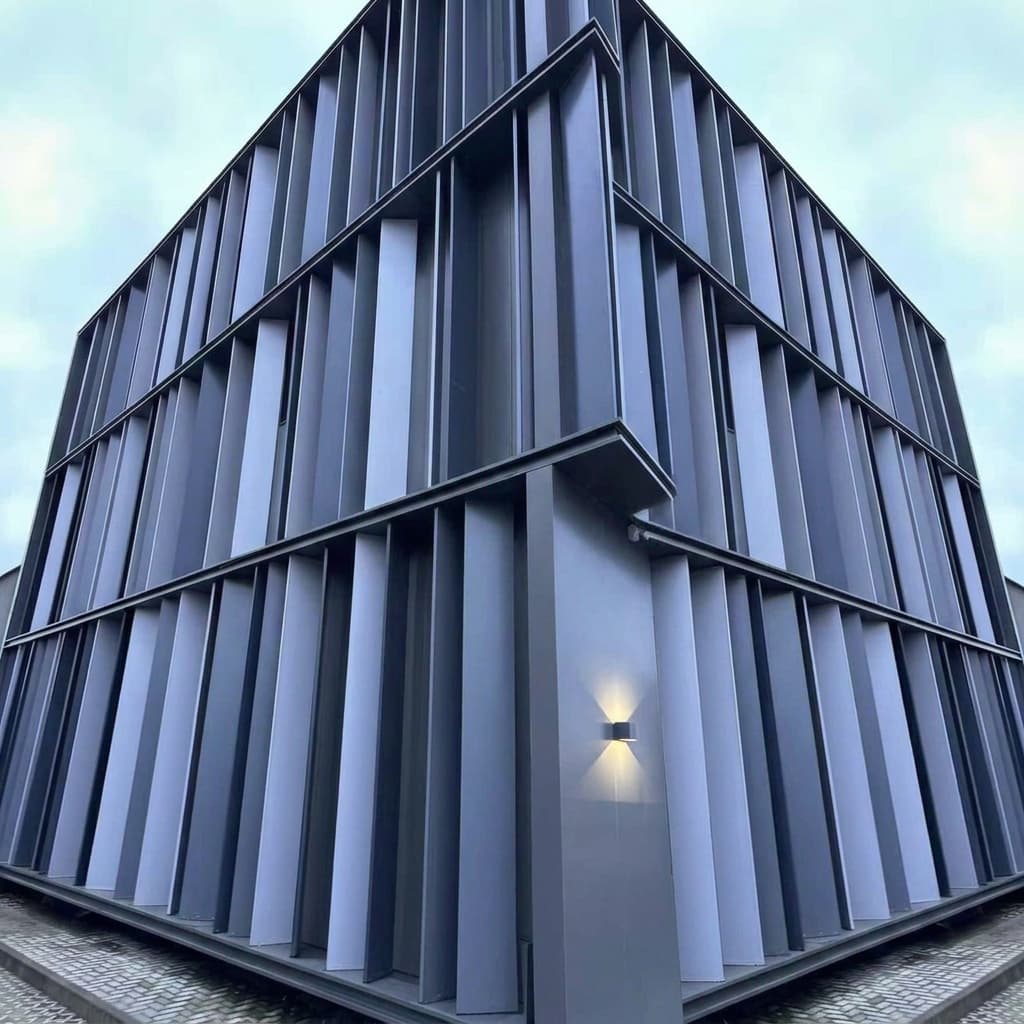
Exterior applications include perforated 316 stainless steel panels used for architectural sunscreens, solar shading, and ventilation. These panels provide weatherproofing and durability for building envelopes, offering both functional and aesthetic benefits in exterior facade design.
Essential Factors to Consider Before Specifying Your Panels
Gauge and Substrate Backing
Selecting the right gauge thickness and backing material is crucial for ensuring durability and aesthetic quality. For large-format, flat surfaces, honeycomb composite panels provide excellent structural stability while maintaining a sleek appearance. Solid sheet metal is ideal for high-impact areas requiring maximum strength, while MDF or plywood-backed panels offer cost-effective solutions for interior applications where weight and ease of installation matter. Proper backing not only supports the decorative stainless steel panels but also influences their long-term performance and ease of maintenance. When choosing, consider the specific project needs and environmental conditions, such as exposure to moisture or impact.
Installation Systems
The choice of installation system impacts both the panel’s durability and ease of maintenance. Z-clip interlocking systems offer a clean, seamless look and allow for easy removal and replacement. Structural adhesives provide a flush surface, ideal for achieving a modern, uninterrupted finish. Mechanical fasteners, such as screws or clips, are often preferred for their reliability in high-traffic or exterior settings. For architectural stainless steel wall panels, selecting the appropriate system ensures secure attachment, minimizes oil-canning, and maintains visual integrity over time. For large projects like elevator cladding, using proven systems such as custom elevator cladding panels can streamline installation and guarantee performance.
Lighting Interaction
Lighting plays a significant role in how stainless steel decorative panels appear in a space. Directional lighting can create glare or highlight surface imperfections like oil-canning if not managed properly. Mirror or No. 8 super mirror finishes reflect light intensely, which may cause unwanted glare in certain settings. Brushed or patterned surfaces diffuse light more evenly, reducing glare and hiding minor surface blemishes. Managing lighting angles and choosing the right surface finish are key to achieving the desired aesthetic without compromising functionality. Proper lighting design enhances the visual appeal of stainless steel panels, especially in feature walls, elevator interiors, or retail displays.
Frequently Asked Questions About Stainless Steel Decorative Metal Paneling
Q1: What is the difference between 304 and 316 stainless steel decorative panels?
304 stainless steel is the most common grade, offering excellent corrosion resistance suitable for interior applications like lobbies and elevator interiors. In contrast, 316 stainless steel contains molybdenum, providing superior resistance to chlorides and harsh environments, making it ideal for coastal exteriors, pool areas, and high-chloride environments. The choice depends on the project’s exposure to moisture and corrosive elements.
Q2:How do anti-fingerprint (AFP) coatings work on decorative metal paneling?
AFP coatings utilize nano-ceramic technology to repel skin oils and fingerprints. This creates a protective barrier that simplifies cleaning, often requiring only mild soap and water. AFP technology helps maintain a clean, professional appearance with minimal maintenance, especially in high-touch areas.
Q3:Are decorative stainless steel panels compliant with commercial fire codes?
Yes, stainless steel decorative panels are naturally fire-resistant and typically meet ASTM E84 Class A fire rating standards. Their high melting point and non-combustible nature ensure they comply with fire safety requirements, making them suitable for a wide range of commercial applications.
Q4:What gauge thickness and backing should I choose to prevent oil-canning on large wall panels?
For large panels, selecting a gauge between 18 and 24 is recommended. Thicker gauges reduce the risk of oil-canning, a waviness caused by uneven tension. Backing options like honeycomb composites or MDF provide additional stability, helping maintain a flat, smooth surface over large areas.
Q5:How do PVD colored stainless steel finishes hold up compared to painted metal?
PVD (Physical Vapor Deposition) coatings bond titanium-based colors at the molecular level, resulting in finishes that resist peeling, fading, and scratching better than traditional painted surfaces. PVD finishes, available in champagne gold, rose gold, bronze, and black titanium, maintain their appearance over time, even in demanding environments.
Q6:Quick Comparison: Selection of Stainless Steel Decorative Metal Panel Cladding
| Question | Key Point |
|---|---|
| Grade difference | 304 for interiors, 316 for exterior & high-chloride areas |
| AFP coatings | Nano-ceramic, easy to clean, fingerprint-resistant |
| Fire compliance | Meets ASTM E84 Class A fire rating standards |
| Panel thickness | 18-24 gauge, backed by honeycomb or MDF to prevent oil-canning |
| PVD durability | Fades and peels less, maintains color longer |