
Walk into any modern five-star hotel, and you’ll notice a massive shift.
The cold, industrial feel of raw metal is completely gone—replaced by a new era of warm, sophisticated luxury.
But designing a breathtaking luxury hotel lobby design that handles relentless foot traffic requires more than just an eye for aesthetics. It requires the exact right material specifications.
If you’ve ever struggled to balance high-end visual impact with long-term durability, you’re not alone. Choosing between a delicate hairline finish, dynamic water ripple embossed sheets, or heavy-use elevator cabin cladding can make or break a luxury project’s maintenance budget.
At Xinye Metal, we specialize in precision architectural metal fabrication that bridges the gap between flawless durability and five-star glamour.
In this ultimate guide, you’ll discover the exact stainless steel decorative materials defining the hospitality industry today—from advanced PVD vacuum plating colors like champagne gold stainless steel to the critical structural choices between 304/316 grade stainless steel.
Let’s dive right in.
As a specialist bridging the gap between high-end hospitality design and precision technical metalwork, I understand the ultimate designer dilemma: creating a breathtaking first impression that survives millions of guests. In architectural metal fabrication, decorative stainless steel sheets are the definitive solution, balancing structural permanence with elite aesthetics.
Here is how we engineer our core sheet selections to meet the rigorous demands of global luxury hotel environments.
Mirror Polished Panels for Lobby Spacing

Our 8K mirror finish sheets act as architectural amplifiers. By mimicking glass reflectivity without the weight or breakage risks, they manipulate light to make compact areas feel expansive.
- Primary Application: Luxury hotel lobby design, reflective ceilings, and structural columns.
- Design Benefit: Creates an illusion of endless vertical space and maximizes ambient lighting.
Hairline Finish and Brushed Textures
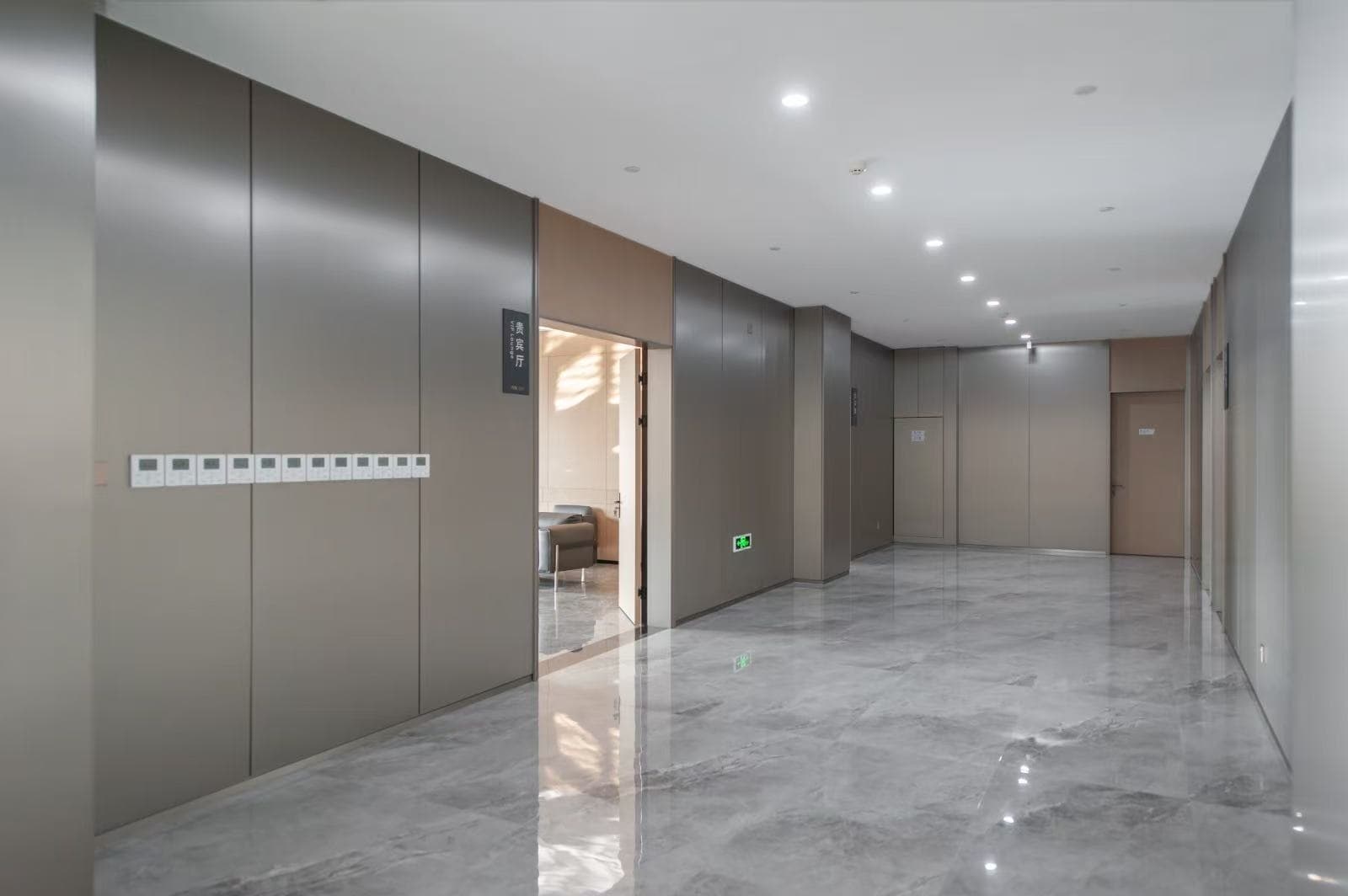
High-traffic hotel zones like corridors, luggage staging areas, and elevator banks require surfaces that resist visible wear. Our brushed and hairline finish textures provide a muted, sophisticated matte look that works hard behind the scenes.
- Micro-Scratch Masking: The continuous directional grain naturally conceals minor scuffs and daily abrasions.
- Maintenance: Highly forgiving against daily smudges and easy to wipe down.
PVD Vacuum Plating: Rose Gold & Champagne Bronze
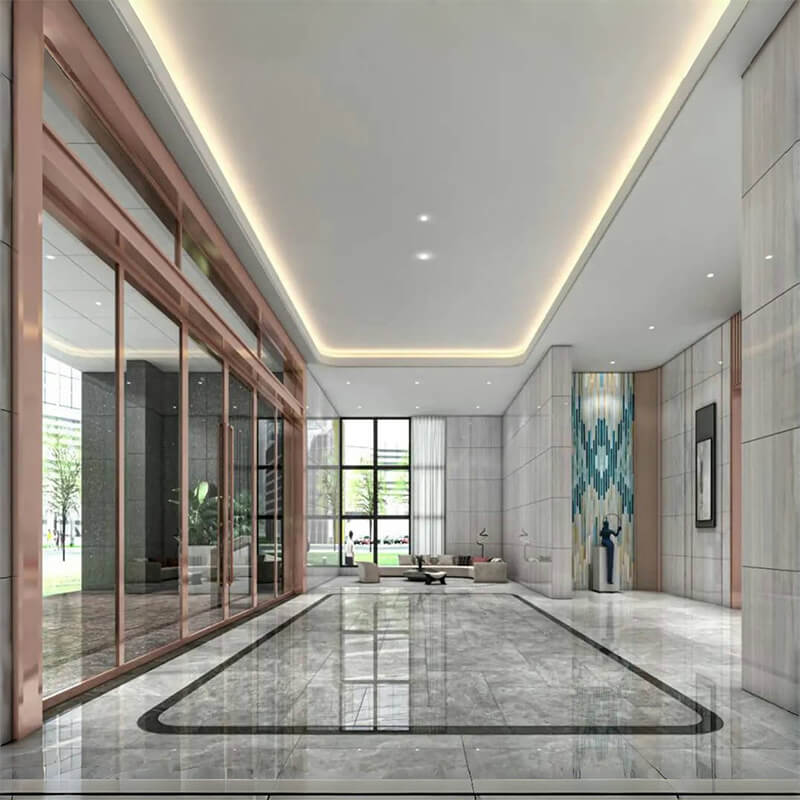
We reject superficial coatings. Through advanced PVD vacuum plating, we fuse rich color directly into the molecular structure of the stainless steel, producing premium tones like rose gold decorative trim and champagne gold stainless steel.
| Color Option | Design Vibe | Best Suited For |
|---|---|---|
| Rose Gold | Warm, avant-garde, ultra-luxury | Boutique suite accents, intimate bar lounges |
| Champagne Bronze | Timeless, understated, elegant | Main lobby trim, grand ballroom entrances |
- Performance: Zero chipping, peeling, or fading under harsh commercial cleaning or UV exposure.
Water Ripple Embossed Sheets for Feature Walls
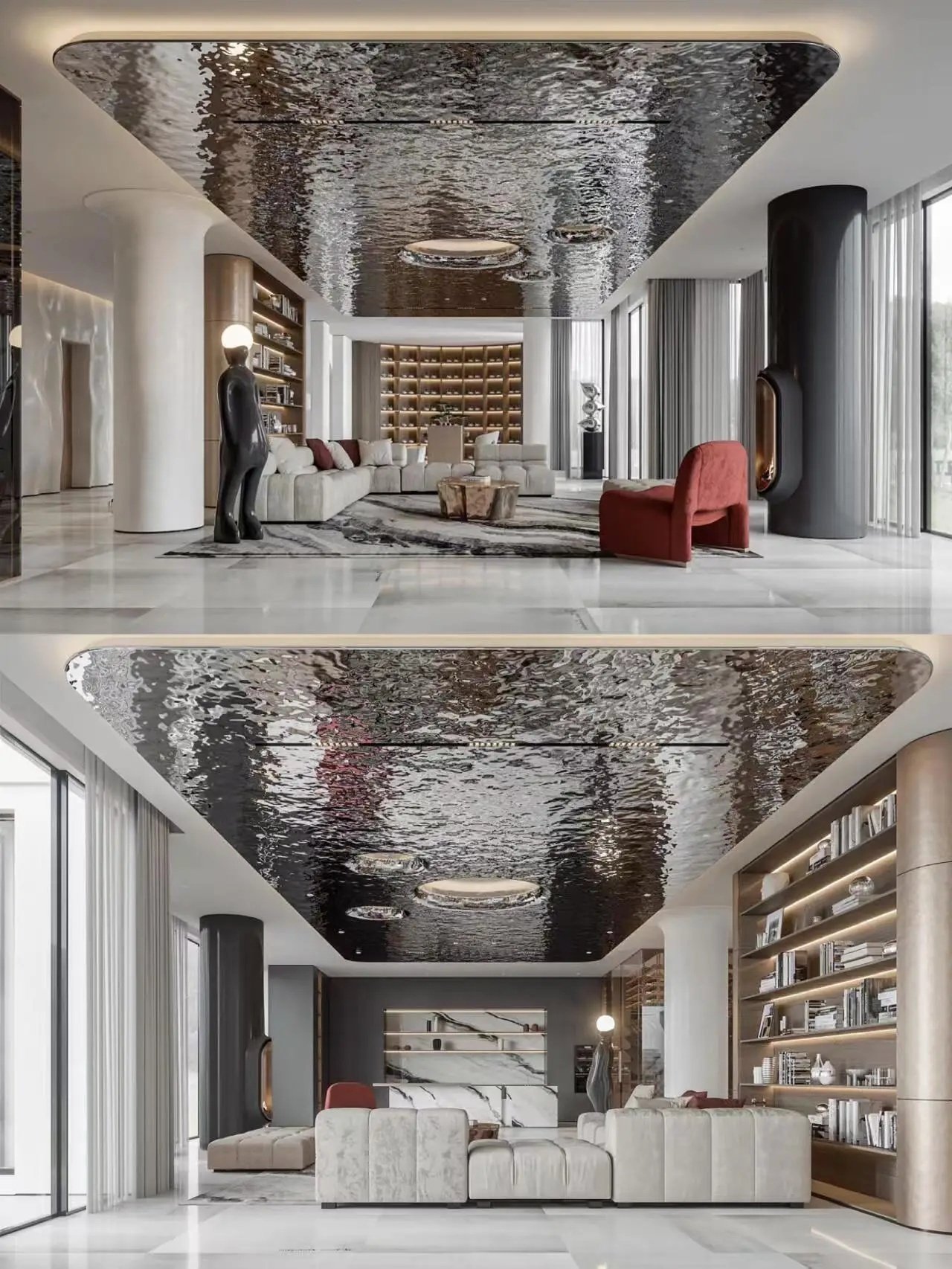
When a project calls for a dramatic focal point, our 3D water ripple embossed sheets deliver. These textured surfaces mimic fluid dynamics, catching and scattering light across a space.
- Visual Dynamics: The undulating surface changes appearance based on the viewing angle and local LED placement.
- Primary Application: Reception desk backdrops, feature walls, and statement bar fronts.
Precision Detailing: Decorative Stainless Steel Profiles & Trims

In luxury hotel design, I’ve found that the difference between a good room and a world-class suite lies in the transition. Stainless steel decorative profiles act as the “jewelry” of the architecture, providing crisp lines and a high-end finish that standard materials can’t match.
U, T, and L-Shaped Strips for Luxury Definitions
We use specific profiles to create distinct visual boundaries on walls and furniture. These are not just functional; they are essential for that “designer” look.
- T-shaped decorative profiles: Perfect for inlaying into wall panels or furniture joinery to break up large surfaces.
- U-shaped channels: Often used to frame glass partitions or create recessed shadow lines in ceilings.
- L-shaped edge trims: My go-to for protecting external corners and providing a clean, metallic edge to tile or stone installations.
To achieve a cohesive look, many of these trims undergo specialized methods to color stainless steel, allowing us to match the Rose Gold or Champagne Gold hardware found throughout the hotel.
Seamless Transitions: Bridging Marble and Wood
One of the biggest challenges in hotel flooring is the meeting point between different materials. I rely on stainless steel transition strips to bridge the gap between heavy marble lobbies and warm wood-floored lounge areas. These strips ensure a flush, trip-free surface while adding a subtle metallic highlight that signals a change in the room’s atmosphere.
Functional Stainless Steel Skirting and Baseboards
In high-traffic hotel corridors, walls take a beating from luggage carts and cleaning equipment. Stainless steel skirting boards are the ultimate solution. Unlike wood, they won’t chip or scuff, and they provide a modern, floating-wall effect when installed with a recessed profile.
- Durability: Resists impact from heavy foot traffic and trolleys.
- Hygiene: Easy to sanitize and won’t harbor bacteria in damp environments.
- Aesthetics: Available in brushed or mirror finishes to complement the overall interior palette.
Using these precision trims ensures that every joint and edge in the hotel looks intentional and remains durable for years to come.
Strategic Hotel Applications: From Lobby to Suite
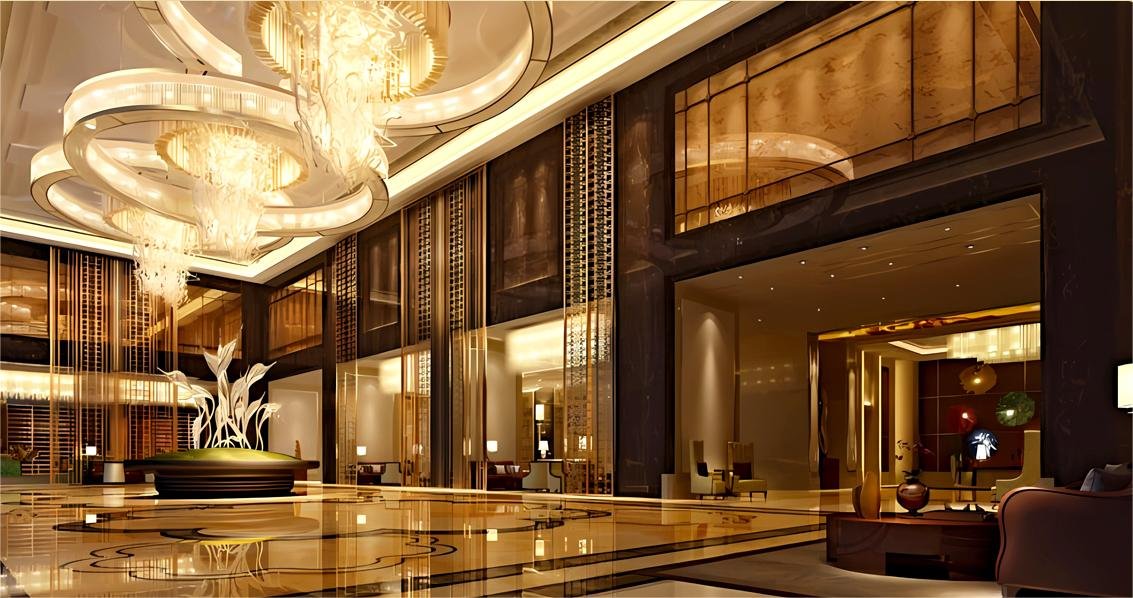
When I select stainless steel decorative materials used in hotels, I look for pieces that bridge the gap between high-end art and rugged durability. In a high-traffic hospitality environment, every surface must tell a luxury story while surviving constant use.
Grand Column Covers and Reception Cladding
The lobby is where the first impression happens. We use massive column covers and reception desk cladding to transform structural supports into focal points.
- Visual Expansion: Mirror-finish sheets reflect light, making smaller lobbies feel vast.
- Tactile Luxury: I often recommend https://www.xinyemetalhttps://www.xinyemetal.com/product-category/metal-decorative-sheets/”>metal decorative sheets with textured or sandblasted finishes for reception fronts to hide the wear and tear of luggage bumps.
Elevator Systems and High-Traffic Durability
Elevators are the most touched surfaces in any hotel. For 2026 projects, we prioritize:
- Etched & Patterned Sheets: These provide a depth that standard metal lacks while masking scratches.
- Anti-fingerprint (AFP) Nano-Coating: This is non-negotiable for elevator interiors, ensuring the cabin looks pristine from the first guest to the last without constant buffing.
Custom Laser-Cut Metal Partition Screens
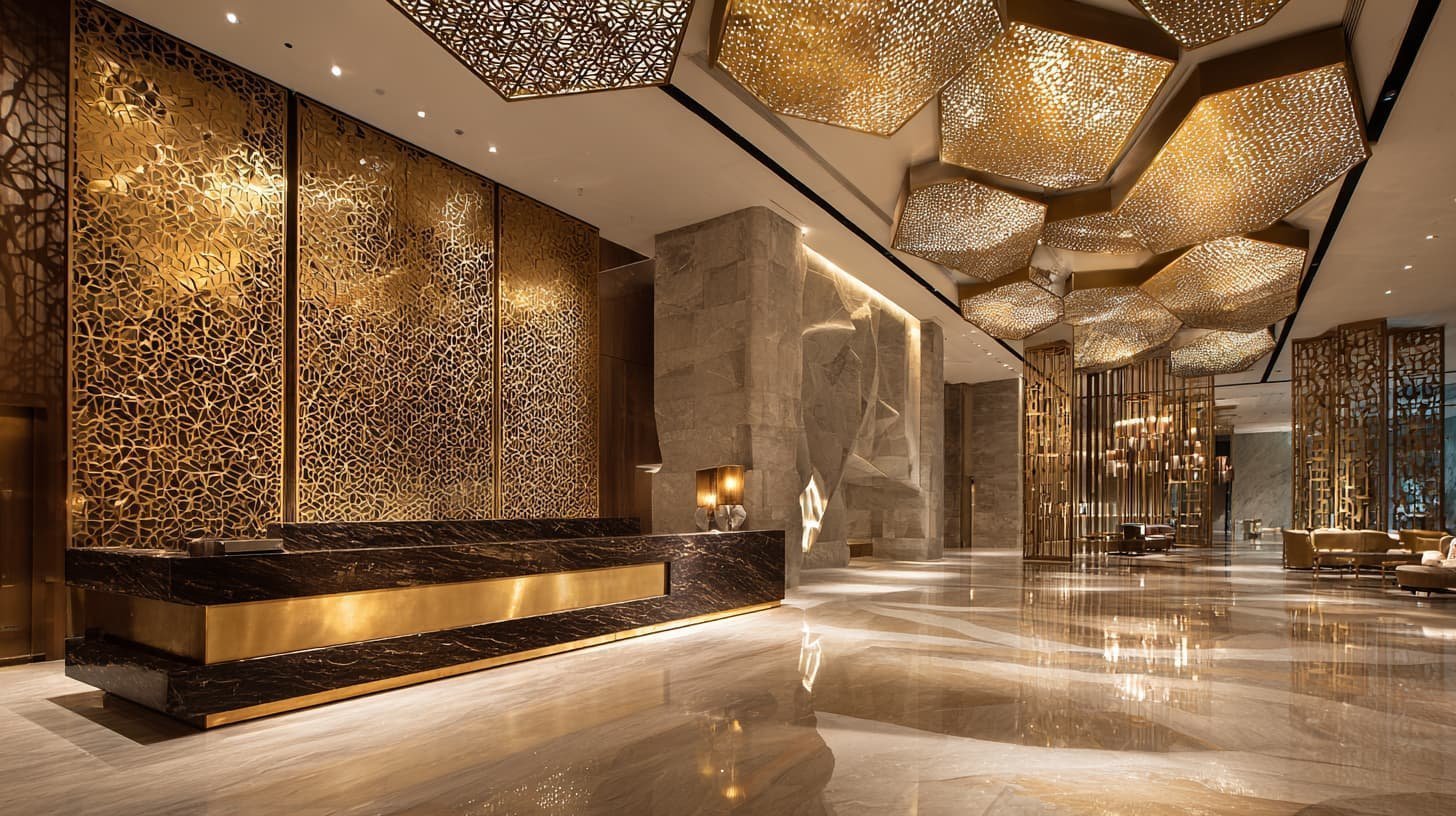
Modern hotel layouts favor “zoned” open spaces. Our metal partition screens provide a sophisticated way to separate a lounge from a dining area without closing off the room.
- Brand Identity: Laser-cut patterns can be customized to match a hotel’s specific logo or motif.
- Light Play: These screens create intricate shadow patterns that evolve throughout the day, adding a dynamic layer to the interior design.
Corrosion-Resistant Accents in Luxury Suites
Inside the guest rooms, particularly the bathrooms, the focus shifts to moisture resistance and warmth.
- PVD Decorative Trims: Using Rose Gold or Champagne Bronze U-shaped profiles around mirrors and vanities provides a premium feel.
- Material Integrity: We strictly use 304 or 316-grade alloys for bathroom accents to prevent rust in high-humidity environments, ensuring the “new hotel” look lasts for a decade or more.
Technical Excellence: Why Grades and Coatings Matter
When I select stainless steel decorative materials for a hotel, I look past the shine. The technical specs determine if a lobby stays pristine or looks worn out in six months. It’s all about matching the alloy and the coating to the specific environment.
Selecting Alloys: 304 vs. 316 Stainless Steel
The choice between alloys usually comes down to geography. For most interior projects in urban settings, 304 grade stainless steel is the industry workhorse. However, for coastal resorts where salt spray is a factor, I always insist on 316 grade because of its added molybdenum for superior corrosion resistance.
| Feature | 304 Grade | 316 Grade |
|---|---|---|
| Primary Use | General Interiors & Urban Hotels | Coastal Resorts & Outdoor Areas |
| Corrosion Resistance | High | Superior (Resists Chlorides/Salt) |
| Durability | Excellent for Foot Traffic | Maximum Longevity in Harsh Air |
Anti-Fingerprint (AFP) Nano-Coating for Public Spaces
High-traffic areas like elevator cabins and reception desks are magnets for smudges. To solve this, we apply an Anti-fingerprint coating (AFP). This invisible nano-layer prevents oils from sticking to the surface, significantly reducing maintenance time. Our custom stainless steel services allow us to integrate these coatings into various textures, ensuring the metal looks untouched even after a busy check-in shift.
Fire Safety and Sustainability in Architectural Metal Fabrication
Safety isn’t negotiable in hospitality. Architectural metal fabrication using stainless steel provides a non-combustible solution that meets strict fire codes without off-gassing.
- Fire Rating: Naturally A1/A2 fire-rated, making it ideal for wall cladding.
- Green Building: Stainless steel is 100% recyclable, helping hotels earn LEED or green certifications.
- Maintenance: Beyond cleaning, it requires no toxic paints or chemical sealants over its lifespan.
By focusing on these technical details, we ensure that the luxury aesthetic of the hotel is backed by industrial-grade durability.
2026 Design Trends: What’s Next for Hospitality?

When leading designers look at what are the stainless steel decorative materials used in hotels to create a lasting impression, the trend is moving rapidly toward high-comfort, experiential spaces. Here is how we see hospitality metalwork evolving this year.
Warm Futurism: Combining Brushed Metals with LED Lighting
Hospitality design is shifting toward “Warm Futurism”—a design language that removes the cold, clinical feel traditionally associated with metalwork.
- Soft Light Diffusion: Pairing hairline and brushed textures with concealed LED strips creates a soft, ambient glow rather than harsh reflections.
- Enhanced Depth: The linear grain of the metal catches indirect light beautifully, making tight spaces like hotel corridors and elevator lobbies feel more spacious and open.
- Material Contrast: We are seeing massive demand for blending these warm-toned metals with organic materials like heavy timber and textured stone to ground the futuristic look.
Custom Perforations for Brand-Specific Laser-Cut Panels
Bespoke branding is dominating luxury hospitality properties. Hoteliers no longer want off-the-shelf fixtures; they demand tailored architectural elements that tell a unique story.
- Bespoke Identity: Custom geometric and organic perforations allow properties to project localized motifs, regional patterns, or brand logos directly into the hardware.
- Functional Zoning: We leverage advanced laser-cutting technology to manufacture intricate stainless steel partition walls that elegantly segment dining spaces and lounges without blocking natural light.
- Dynamic Shadow Play: When paired with strategic architectural lighting, these perforated panels cast beautiful, shifting shadow patterns throughout the day, elevating the guest experience from morning to night.
Common Questions About Hotel Stainless Steel Materials
Is 304 stainless steel good enough for hotel interiors?
For the vast majority of indoor applications, 304 grade stainless steel is the industry standard. it offers the perfect balance of form and function for lobbies, wall claddings, and decorative furniture. We have successfully implemented these materials in numerous luxury environments, such as our Ramada Hotel interior project, where durability and aesthetic appeal were top priorities.
Pro Tip: While 304 is excellent for standard interiors, we recommend 316 grade for hotels located in coastal areas or for use in indoor pool facilities to prevent salt-air corrosion.
How do you maintain mirror-polished panels in high-traffic lobbies?
Mirror polished panels create a stunning sense of space, but they are magnets for fingerprints. To keep them looking pristine in busy areas, follow these maintenance rules:
- Nano-Coating: Always specify an anti-fingerprint (AFP) coating. This invisible layer makes oils and smudges easy to wipe away with a dry cloth.
- Soft Cleaning: Use only microfiber cloths and pH-neutral cleaners. Avoid any abrasive tools that could scratch the reflective surface.
- Routine: A quick daily wipe-down is usually enough to maintain the high-gloss finish without deep scrubbing.
What is the lifespan of PVD vacuum plating in commercial settings?
Unlike traditional spray painting or electroplating, PVD vacuum plating is a molecular bond that becomes part of the steel itself. This makes it ideal for high-use architectural elements like stainless steel door trim.
| Feature | PVD Coating Performance |
|---|---|
| Expected Lifespan | 10–20 years in interior environments |
| Color Stability | Highly resistant to UV fading and oxidation |
| Durability | Harder and more scratch-resistant than the base metal |
| Maintenance | Low; requires no specialized polishing or wax |
Because the color is integrated into the surface, it will not chip, flake, or peel, even in the heavy-duty environments of a busy hotel corridor or elevator cabin.